
On-site livelihood foundation
Developing community tourism allows people to live and work right in their own cultural space. Instead of exploiting resources in a short-term way, community tourism focuses on preserving, recreating and transforming cultural - natural values into in-depth experience products, bringing direct benefits to the local community.
According to Deputy Director of the Vietnam National Administration of Tourism Pham Van Thuy, community tourism is in line with the goal of narrowing the development gap, improving the lives and creating sustainable livelihoods for ethnic minorities.
Because this model creates on-site livelihoods while encouraging people to preserve culture, protect forests, preserve land and village space - the core values that make up cultural identity.
This approach shows that culture is not only a complementary factor but also the foundation of economic development.
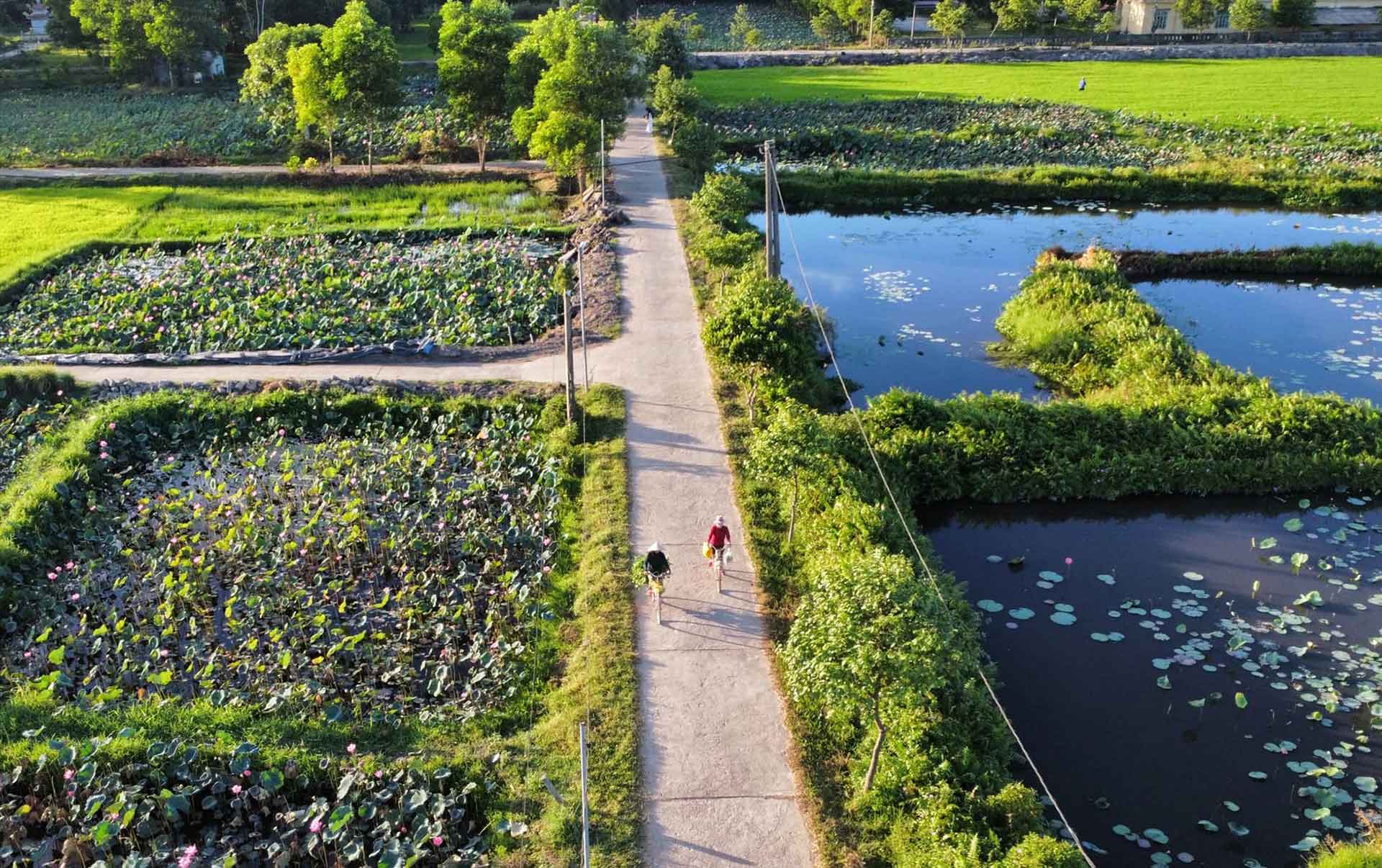
Currently, the National Target Program for Socio-Economic Development of Ethnic Minority and Mountainous Areas is a major policy of the Party and State, aiming to shorten development gaps, improve the quality of life and create long-term livelihoods for ethnic minorities. In parallel with investment in infrastructure, healthcare and education, the program focuses on promoting economic models that exploit local advantages.
In that orientation, community tourism is identified as a suitable choice, because it not only creates jobs and income right in the locality but also contributes to encouraging people to preserve cultural values, preserve forests, land and traditional living spaces of villages - core elements that make up cultural identity.
Following this policy, the Vietnam National Administration of Tourism has recently strengthened coordination with localities, including Quang Tri, to organize potential surveys, implement training programs, improve skills, support connections with businesses and gradually introduce digital transformation into destination promotion activities.
These activities aim to help ethnic minority communities gradually improve their capacity, proactively participate and sustainably benefit from the tourism value chain.
Mr. Ho Van Hoan - Deputy Director of the Department of Culture, Sports and Tourism of Quang Tri province - said that community tourism in ethnic minority and mountainous areas is a strategic direction to exploit indigenous resources and create sustainable livelihoods.
This belief is based on the advantage of policies, rich natural resources and a diverse cultural and historical heritage system of the locality. In the recent period, many community tourism models have been formed, contributing to creating more jobs and improving skills for people.
Quang Tri is a typical locality for developing community tourism. Quang Tri clearly converges both natural potential and indigenous cultural depth.
In the Truong Son mountainous area, the cultural life of the Van Kieu - Pa Co community is vividly presented through gongs, canoes, festivals, traditional handicrafts, local cuisine and a system of customs closely associated with forests, mountains, and streams. These values, if preserved and retold in the voice of the community, can become an important material to form unique and unique community tourism products.
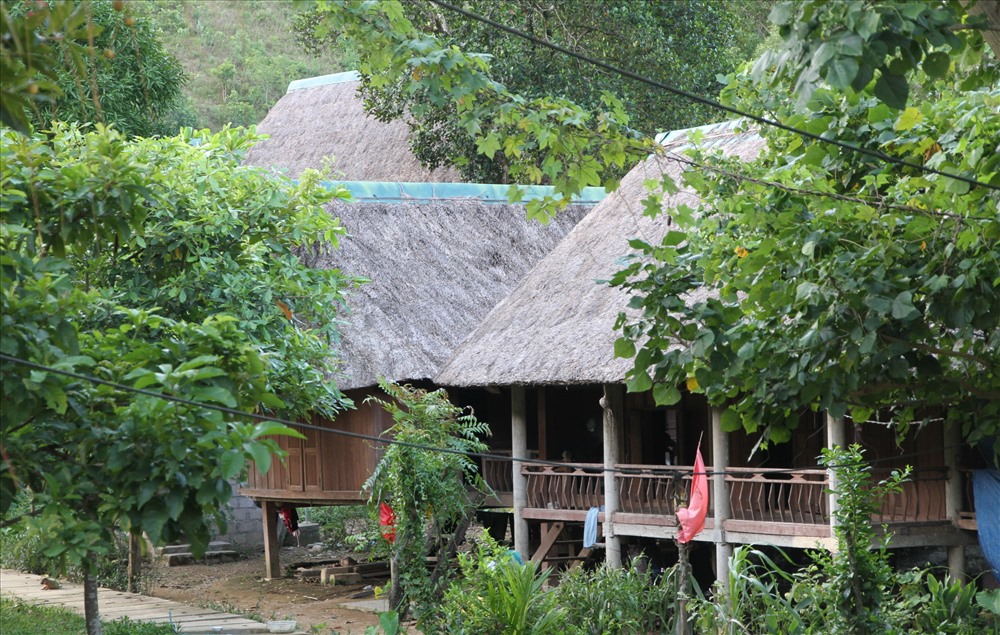
Deputy Director Pham Van Thuy commented that Huong Hoa and Dakrong areas possess a rich ecosystem with hills, primeval forests, streams and waterfalls, very suitable for eco-tourism and outdoor experiences. Along with that is the cultural depth and historical stories associated with the Ho Chi Minh trail. This is a valuable resource to develop community tourism products that are "oringamental, different and rich in cultural depth - something that modern tourists are increasingly searching for".
However, turning potential into sustainable livelihoods is not a spontaneous process. In reality, community tourism products in many areas are still fragile and lack connectivity; rural infrastructure is limited; accommodation quality is not uniform; promotional activities are still weak; people's tourism skills need to continue to be improved. Looking straight at these limitations, according to the Deputy Director of the Vietnam National Administration of Tourism, is a necessary condition to build appropriate solutions and have a clear roadmap.
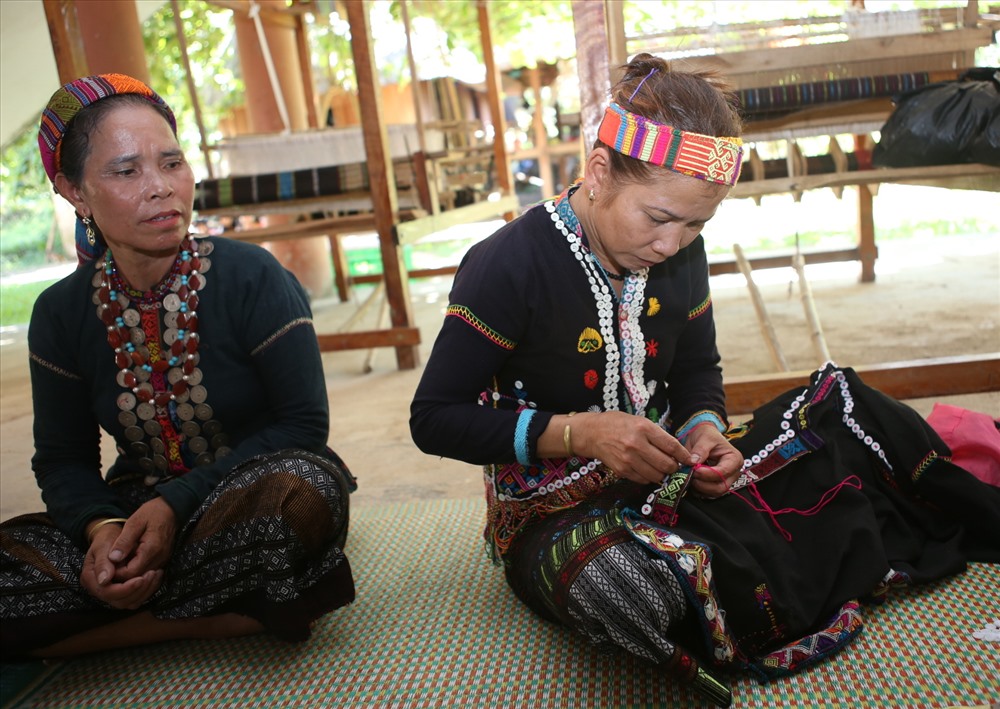
In that painting, the role of artisans, village elders and the elderly holds a special position. They are memory keepers, holding local knowledge, historical stories and cultural standards of the community. When community tourism is organized systematically, it becomes a bridge to teach crafts, rituals, and folk melodies to the younger generation, while directly participating in creating experiences for tourists. Culture, therefore, is not kept in a museum but continues to live in daily life.
From a research perspective, Dr. Trieu Thi Nhat, Lecturer of the Faculty of Tourism Management and International Languages, Hanoi University of Culture, emphasized the need for conservation of the origin in community tourism exploitation. According to her, promoting the value of cultural heritage needs to go in a sustainable direction, linking conservation with community livelihoods, local agricultural products and travel experiences with stories and clear messages. When oriented correctly, national cultural values are not only maintained but also have the opportunity to spread and develop.
Expanding opportunities for community tourism development
In addition to exploiting indigenous cultural values, a major challenge for community tourism is access to information, policies and markets. Reducing information poverty therefore becomes a requirement in parallel with reducing income poverty. In that context, communication and digital transformation are considered important tools to help the community narrow the gap with the tourism market.
According to Deputy Director of the Vietnam National Administration of Tourism Pham Van Thuy, in recent times, the Vietnam National Administration of Tourism has coordinated with localities to survey potential, organize training, skills training, support business connections and gradually apply digital transformation in promoting destinations.
The goal is to help ethnic minority communities have enough capacity to participate in the tourism value chain proactively and sustainably, instead of standing outside the game.
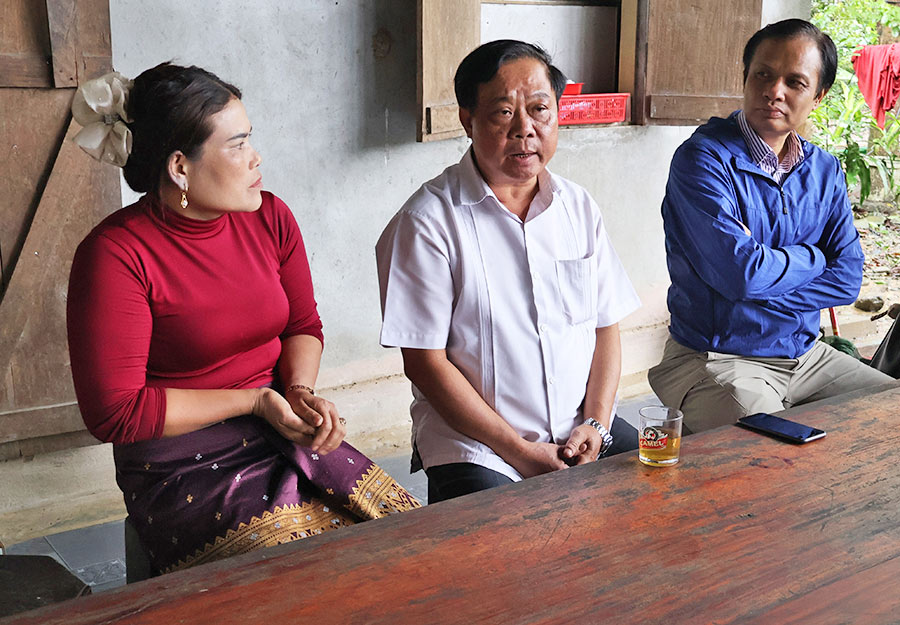
In terms of governance and business, Mr. Nguyen Van Cuong, Director of Digital Tourism Solutions, Vietsens Technology Group, shared about the platform that integrates destination data, accommodation facilities, tourism products, customer markets, service capacity and real-time feedback to tourists. This platform not only supports management agencies in making decisions but also helps businesses and local communities access promotional tools, book services, pay online and connect to the travel system. For small units, especially the local community, this is an opportunity to access a wider market without depending on large resources.
However, digital transformation is not just a technological story. It is also a process of improving digital skills for people, from filming - taking photos - editing content, managing fanpages, to recognizing risks and scams in online tourism business. When equipped with the necessary knowledge and skills, the community can proactively promote products, sell products and protect themselves in the digital environment.
From practical experience, Deputy Director Pham Van Thuy emphasized the need to put people at the center of community tourism development. People are both the subject of preserving cultural identity and the one who directly creates the experience for tourists. The development of tourism associated with ethnic minority culture and creating livelihoods needs to be implemented methodically, organized, with close coordination between the government, community, businesses and experts.
He affirmed: The close coordination between the government - community - business - expert is a prerequisite. The government orients policies; the community plays a central role in preserving and creating experiences; businesses bring products to the market; technical and training support experts. When these four factors are synchronously linked, Quang Tri community tourism will develop sustainably and bring stable livelihoods to the people".
On that basis, the orientations on building a model, standardizing services, developing ecological - cultural routes, strengthening business linkages, promoting digital communication and preserving culture - environment are considered pillars for the next stage.
When culture is preserved, information is expanded and digital skills are improved, community tourism is not only a story of making an economy, but also a process of preserving indigenous culture from the past in the development flow.


