
On March 28, Ninh Giang Commune People's Committee (Hai Phong City) held the opening ceremony of the Tranh Temple Festival 2026 at the national historical relic Tranh Temple, Tranh Xuyen village, attracting a large number of people and tourists from all over to attend.
Tranh Temple worships Quan Lon Tuan Tranh - a great mandarin in the Tu Phu system of Mother Goddess Religion. The relic has a long history and was ranked as a national historical and cultural relic by the Ministry of Culture, Sports and Tourism according to Decision No. 1214/QD-BVHTTDL dated March 23, 2009.
In 2023, the temple continued to be recognized as an OCOP 4-star Tourism Point and Tourism Product, affirming its outstanding historical, cultural and spiritual values.
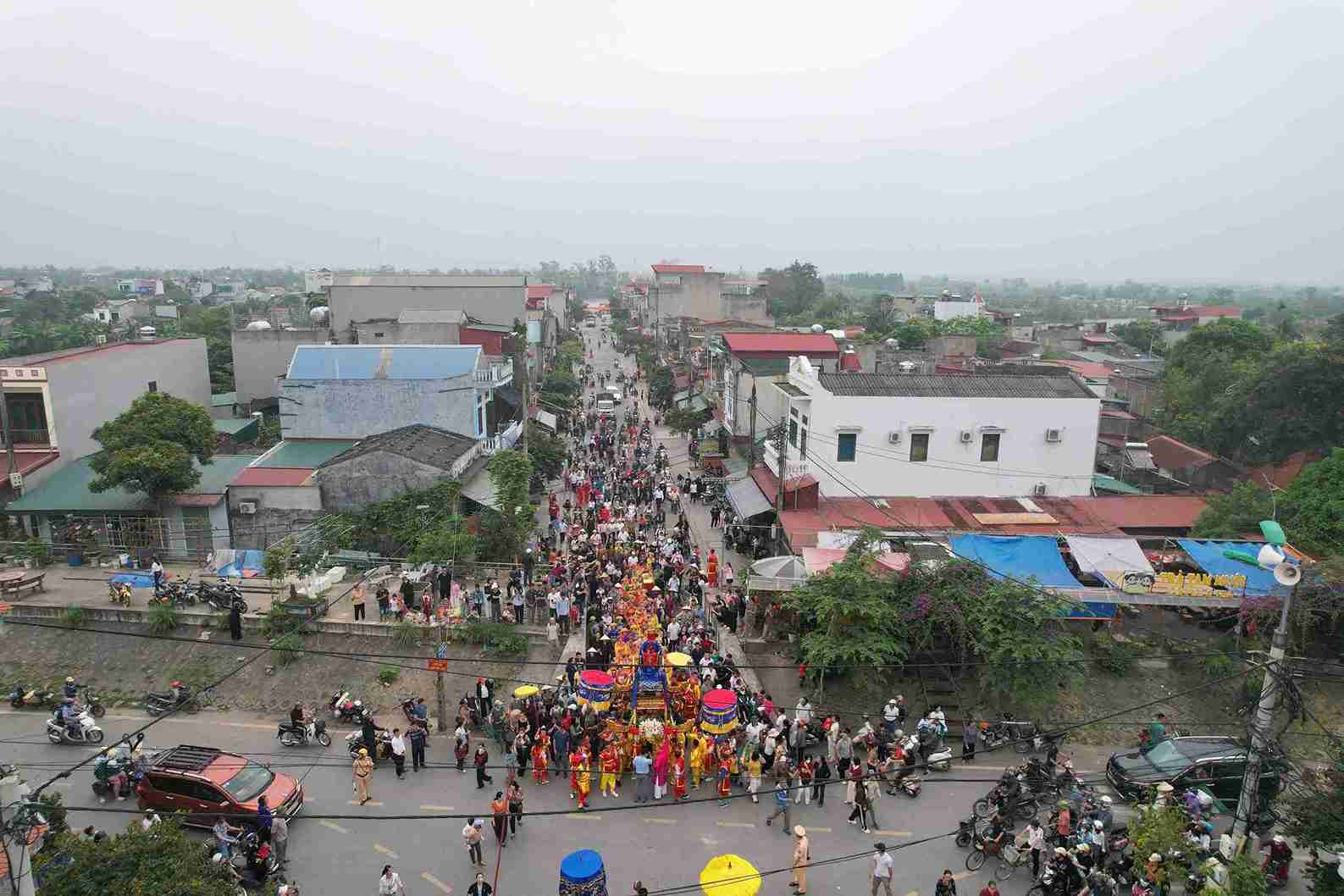
Traditionally, before the August Revolution of 1945, Tranh Temple had two main festivals in February and August of the lunar calendar, along with the Quan festival on May 25th of the lunar calendar. Among them, the 14th day of the 2nd lunar month is the anniversary of Quan Lon Tuan Tranh's birth - the important festival of the spring festival; and the 22nd day of the 8th lunar month is associated with the commemoration of Saint Tran Hung Dao.
This year's festival is organized with full traditional rituals, recreating the unique religious living space of the local community. The solemn rituals not only express respect for the predecessors but also send wishes for a peaceful life and favorable harvests.
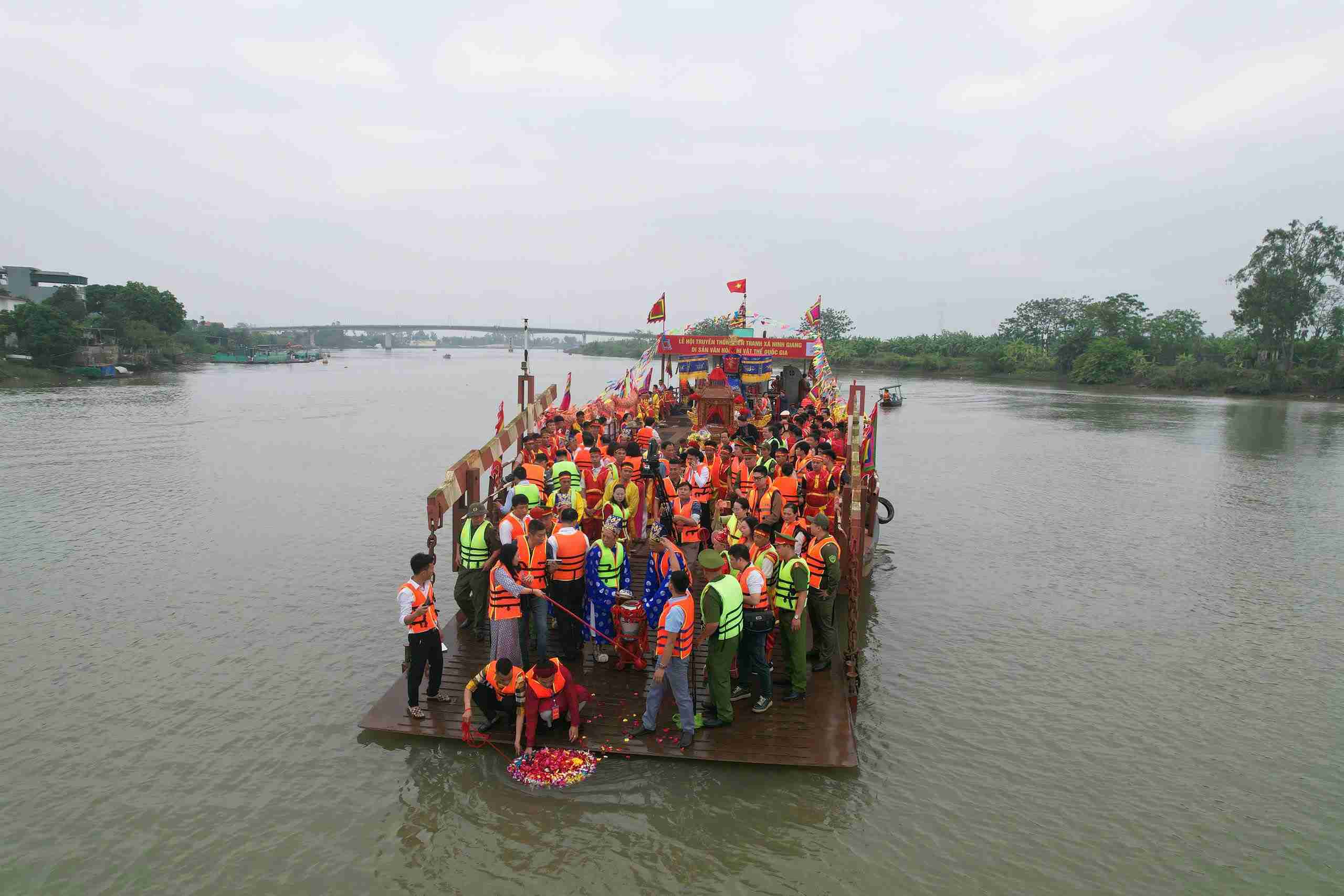
Besides the ceremony part, the festival part takes place sôi nổi with many folk cultural activities, contributing to creating a joyful atmosphere, connecting the community. This is also an opportunity to promote heritage values, attract tourists, and promote local tourism development.
In recent years, the work of preserving and promoting heritage values at Tranh Temple has always been concerned. The rich system of rituals and religious activities has been maintained, contributing to preserving the unique cultural sediment layers of the land rich in traditions.
The Tranh Temple Festival is not only a religious activity but also a vibrant cultural space, contributing to preserving national identity through many generations.


