Resolution No. 72-NQ/TW of the Politburo on people's health care aims to strengthen the protection, care and improvement of people's health. To realize this goal, the addition of a financial mechanism to help reduce the burden of medical examination and treatment costs for people becomes an urgent requirement.
Target of 95% of universal health insurance (HI): From wide coverage to practical protection requirements
Facing dangerous diseases such as cancer and cardiovascular disease, many patients, even with health insurance cards, still face great pressure from expenses outside the scope of payment.
The National Health Insurance Fund has played a role in sharing risks and paying for the list of essential drugs. However, the increase in chronic diseases along with the need to access brand-name drugs, high-tech drugs and new treatments makes the gap between actual needs and the scope of payment increasingly clear. Co-payment and out-of-list costs are still a burden for many patients.
According to Southeast Asian regional health financial reports, people in the region self-fund an average of about 31% of total health costs. In Thailand, this rate is below 10%; Malaysia is about 14%, while Vietnam is still at nearly 40%. When serious illnesses arise, expenditures outside of health insurance can greatly affect the finances and livelihoods of many families.
One of the reasons is the gap between actual treatment costs and the level of health insurance payment, causing the self-sufficiency rate of people to still be higher than the recommended level of less than 30% of the World Health Organization.
Along with the need for treatment, people are increasingly looking forward to accessing higher quality healthcare services. This poses a requirement to supplement financial solutions to improve the healthcare system.
Need "extended arms" from the private sector
To narrow this gap, the Ministry of Health, the Ministry of Finance and Vietnam Social Security are researching a multi-level health finance model. In which, health insurance continues to be the foundation of social security, while supplementary health insurance plays a role in supporting the payment of costs outside the scope of public insurance.
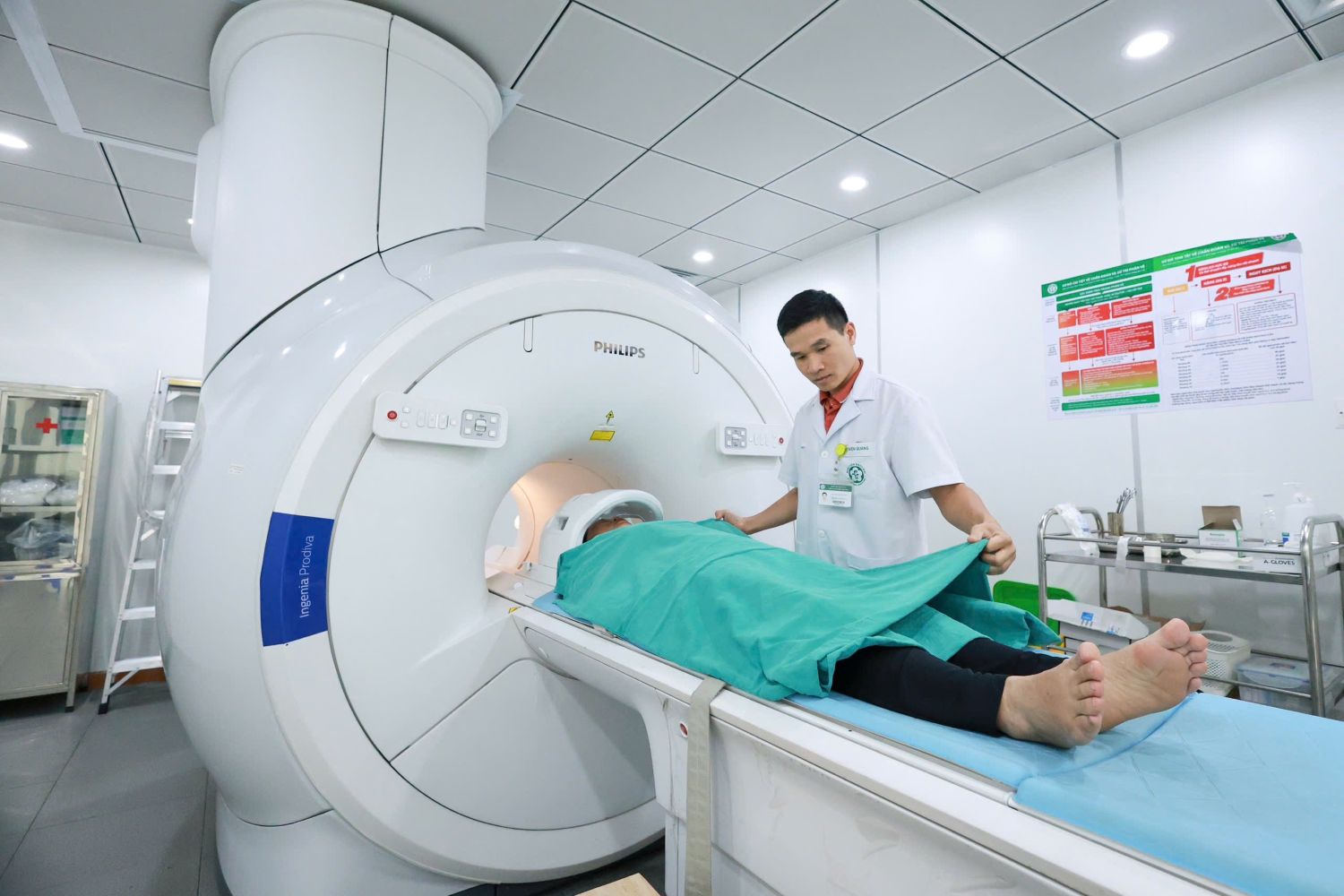
Experts believe that building a comprehensive social security system requires coordination between the State and the private sector. The participation of insurance companies will contribute to expanding access to quality healthcare services at reasonable costs.
Reality in many countries such as France, Singapore and the Netherlands shows that, besides public health insurance, there is always supplementary insurance to cover costs outside the scope of state insurance, thereby expanding opportunities to access advanced health services.
Supplementary health insurance also helps people feel secure in using high-tech techniques right at local health facilities, contributing to improving the capacity of lower levels and reducing the burden on central-level hospitals.
Techcom Insurance accompanies national goals, reducing the financial burden of healthcare for the community
Responding to the policy of people's health care, the private sector has taken specific steps. Techcom Insurance - a member of the Techcombank ecosystem - is developing an insurance solution to compensate for medical expenses applying technology and artificial intelligence (AI). The product was approved by the Ministry of Finance in May 2026 and is expected to be launched in July 2026.

Unlike commercial insurance products aimed at high-income groups, Techcom Insurance's solution is designed to supplement public health insurance, focusing on middle-income customers with reasonable and accessible premiums.
Reducing the self-payment rate by nearly 40% is a goal that requires the joint efforts of the State, insurance businesses and the whole society. When the mechanism and policies are completed along with appropriate supplementary insurance products, people will have more financial tools to access quality health services, contributing to building a sustainable healthcare system.