
“I used to have a group of 4 close friends from university. Back then, we met every day, shared everything. But now sometimes we don't talk once a year,” shared Ms. Tran Thu Quynh (23 years old, in Lao Cai).
According to Ms. Quynh, after graduating, each person has their own orientation, causing the connection to gradually fade.

Some people go abroad, some friends return to their hometowns. Each person has a different job and life. No longer with the same'frequency', so naturally contact is less. Online conversations are also gradually sparse, if you don't meet them for a long time, you will gradually lose connection," Ms. Quynh said.
Not only Ms. Quynh, the feeling of "losing friends gradually" is a common experience for many young people. There is no clear conflict or crack, it's just that over time, the close relationships gradually become less contactable, and then from familiar become strange.
Mr. Bui Thanh Tung (26 years old, Yen Bai ward, Lao Cai province) said that many times at the weekend he wants to invite friends to go out, have coffee but does not know who to call.
I used to study far away, then returned to Lao Cai to do freelance work, so the relationships were not many. High school friends were each in a different place, while university friends mainly stopped at the level of social interaction," Mr. Tung shared.
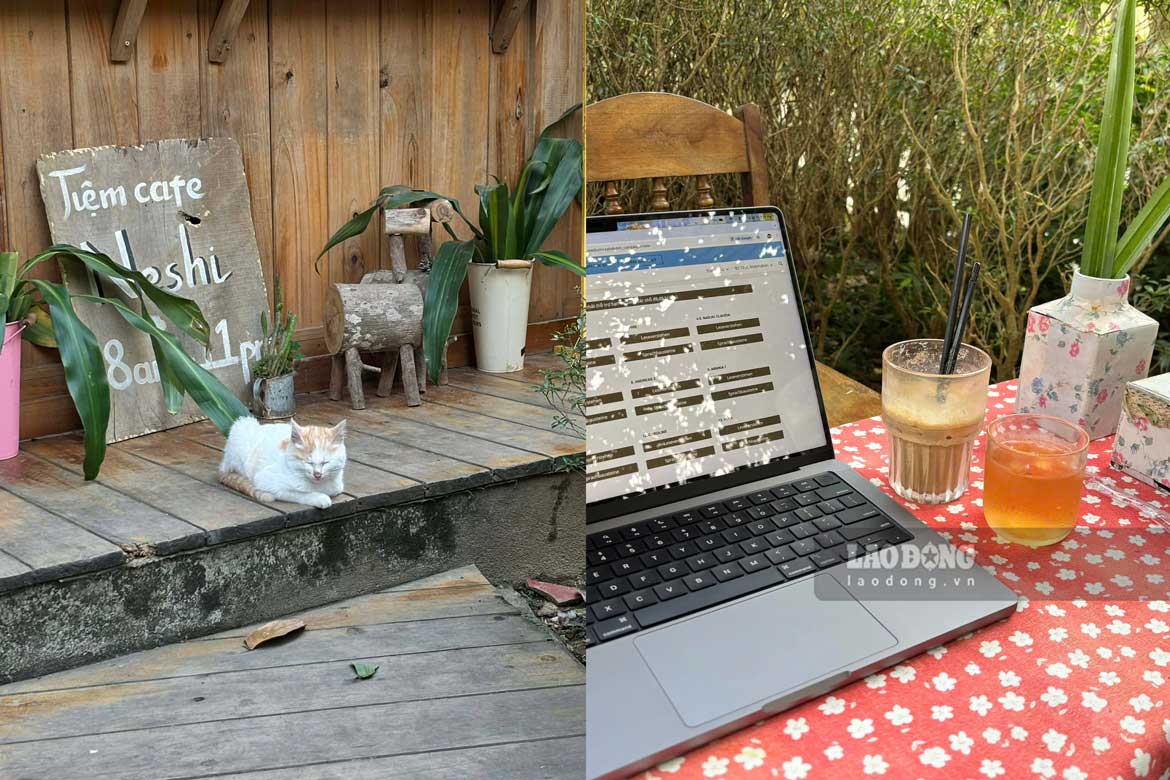
Currently, he only keeps in regular contact with a few friends. "If there is no appointment, almost every day off I just stay at home or bring my laptop to a coffee shop to sit alone," Mr. Tung said.
Faced with the reality that the circle of friends is gradually narrowing, many young people choose to enjoy time alone instead of trying to maintain relationships that have faded. Going for coffee alone, watching movies alone, or even "solo" travel is becoming a popular trend.
Many people believe that being alone does not mean loneliness, but is a time to rest and rebalance emotions after work and life pressures. Instead of waiting for difficult-to-arrange appointments, they actively enjoy personal experiences in their own way.
“Initially I felt sad, but gradually I got used to going to coffee alone. Having time to think, do my own work, I feel quite comfortable,” a young person shared.
This trend shows a change in the way young people perceive relationships: no longer focusing on quantity, but emphasizing suitability and depth, and learning to be friends with oneself.
And also because of that, having "fewer friends" is not necessarily negative, but a natural part of the growing up process - when each person gradually learns to choose and keep relationships that are truly meaningful in life.


