
Beans and whole grains
Peas, lentils, chickpeas, soybeans and whole grains are all rich in iron, folate, magnesium and potassium. They also contain kaempferol – an antioxidant that helps reduce chronic inflammation. This food group helps lower bad cholesterol (LDL), increase good cholesterol (HDL) and contributes to reducing the risk of heart disease. Eating beans regularly also helps with better digestion, creates a feeling of fullness for a long time and keeps blood sugar stable.
Nuts and seeds
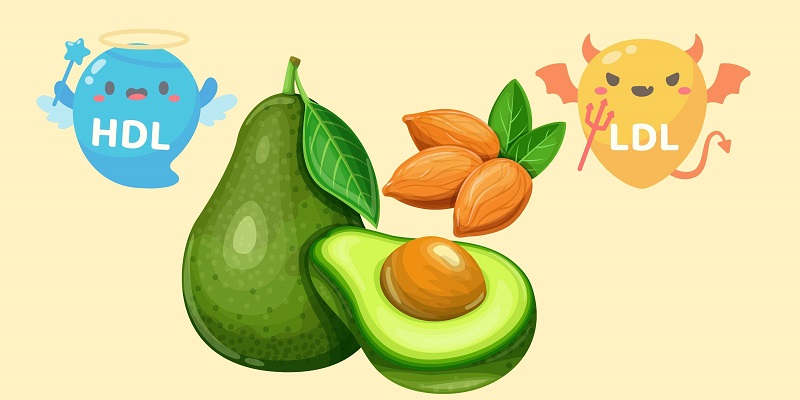
Almonds, walnuts and cashews are rich in monounsaturated fats, which help increase good cholesterol (HDL) and improve energy for the body. Meanwhile, flaxseeds, chia seeds, and pumpkin seeds are rich in omega-3, fiber, and magnesium, which have anti-inflammatory effects, protect cells, and support heart health. When eaten properly and in the right amount, nuts also help control blood sugar and maintain weight effectively.
Avocado
Avocado is a rich source of monounsaturated fats, folate, potassium, and fiber. Thanks to that, this fruit helps reduce bad cholesterol (LDL), increase good cholesterol (HDL) and effectively support weight control. Avocado also creates a feeling of fullness for a long time, helping you limit your appetite and stabilize energy during the day. Not only that, avocado also improves the ability to absorb oil-soluble vitamins and contributes to reducing the risk of heart disease.


