
Young children, especially those with incomplete immune systems, are considered susceptible to respiratory diseases and have a higher risk of progression, creating more pressure on the health system.
According to Dr. Phan Huu Phuc - Deputy Director in charge of professional matters of the National Children's Hospital, General Secretary of the Vietnam Pediatrics Association, pneumococcus is currently one of the leading dangerous agents causing respiratory diseases in children. Not only causing pneumonia, pneumococcus can also lead to serious invasive diseases such as sepsis, meningitis, respiratory failure and multiple organ failure.
In some severe cases, the disease can progress very quickly and leave long-term sequelae such as lung damage, cognitive decline or hearing loss," Dr. Phan Huu Phuc warned.
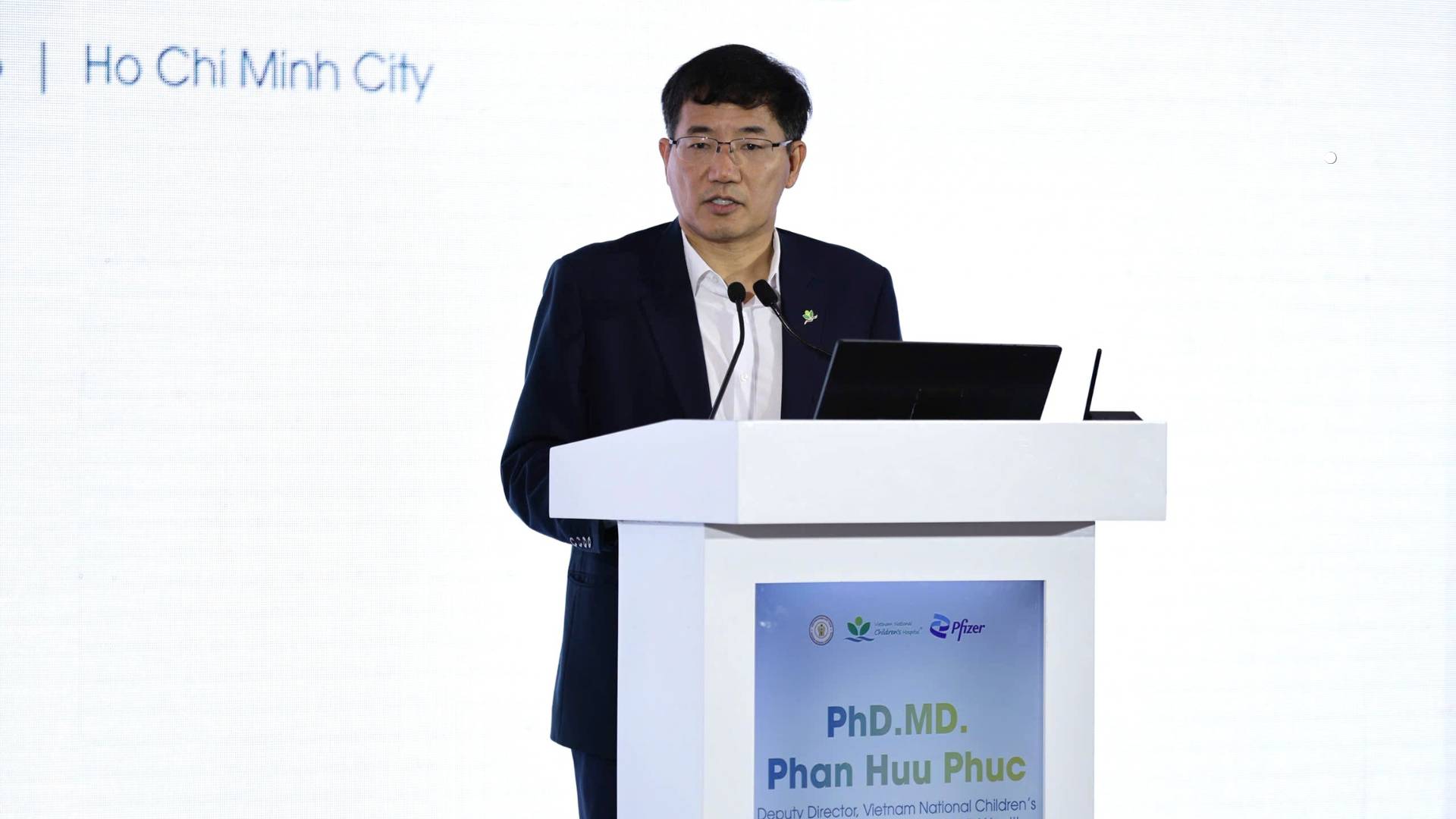
According to this expert, the epidemiological picture of pneumococcus is also changing. Many Southeast Asian countries, including Vietnam, have recorded the increasingly common appearance of serum types outside the coverage of previous vaccines. A 3-year study at the National Hospital of Pediatrics recorded 18 pneumococcus serum types causing invasive pneumococcus disease in children.
In addition to pneumococcus, respiratory syncytial virus (RSV) is also considered one of the leading causes of severe illness and death in children under 6 months old, especially in low and middle-income countries. Experts believe that RSV not only causes immediate burdens but also leaves long-term health effects for children.
Assoc. Prof. Dr. Nusrat Homaira - a respiratory researcher at Sydney Children's Hospital (Australia) said that pneumococcus, meningococcus and RSV diseases are not only a medical burden but also affect families, education and society.
Countries need to strengthen disease surveillance, raise public awareness and expand access to appropriate preventive measures to create a better healthcare platform for children," Assoc. Prof. Dr. Nusrat Homaira said.
Meanwhile, Prof. Dr. Phan Trong Lan - Director of the National Institute of Hygiene and Epidemiology, said that international scientific forums play an important role in connecting experts, sharing data and updating new approaches in preventing infectious diseases.
According to him, the coordination between preventive medicine and clinical medicine will contribute to improving the effectiveness of protecting children from dangerous infectious diseases in the context of respiratory diseases continuing to develop complicatedly.


