
Nearly 5 million Vietnamese children aged 5-19 are overweight and obese
According to the National Institute of Nutrition, in the period 2019-2020, the rate of overweight and obesity in children aged 5-19 years increased from 8.5% in 2010 to 19% in 2020. This situation is more serious in urban areas, with an obesity rate of 26.8%, compared to 18.3% in rural areas and 6.9% in mountainous areas.
This is not just a story about weight. Overweight and obesity from a young age increase the risk of non-communicable diseases in adulthood, while creating long-term pressure on families and the health system.
Overweight and obesity in children are related to many diseases such as high blood pressure, blood sugar disorders, diabetes, fatty liver, dyslipidemia and cardiovascular disease. These disorders can appear early and continue to affect health when they grow up.
Risk factors include poor exercise, using a lot of sugary foods and drinks, academic pressure and family nutritional habits. The concept that "chubby" children are healthy also makes many families not fully aware that obesity is a problem that needs early prevention and control.
The rate of overweight and obesity among students in Ho Chi Minh City is still high
After the merger, Ho Chi Minh City has more than 14 million people, of which children and adolescents account for about 1/4 of the population.
According to the Ho Chi Minh City Center for Disease Control (HCDC), in the 2025-2026 school year, primary school students have 20.4% overweight and 18.3% obese. In secondary school, these rates are 21.5% and 12.1% respectively; high school is 17.4% and 8%. In general, students at all levels have 20.4% overweight and 14.4% obese.
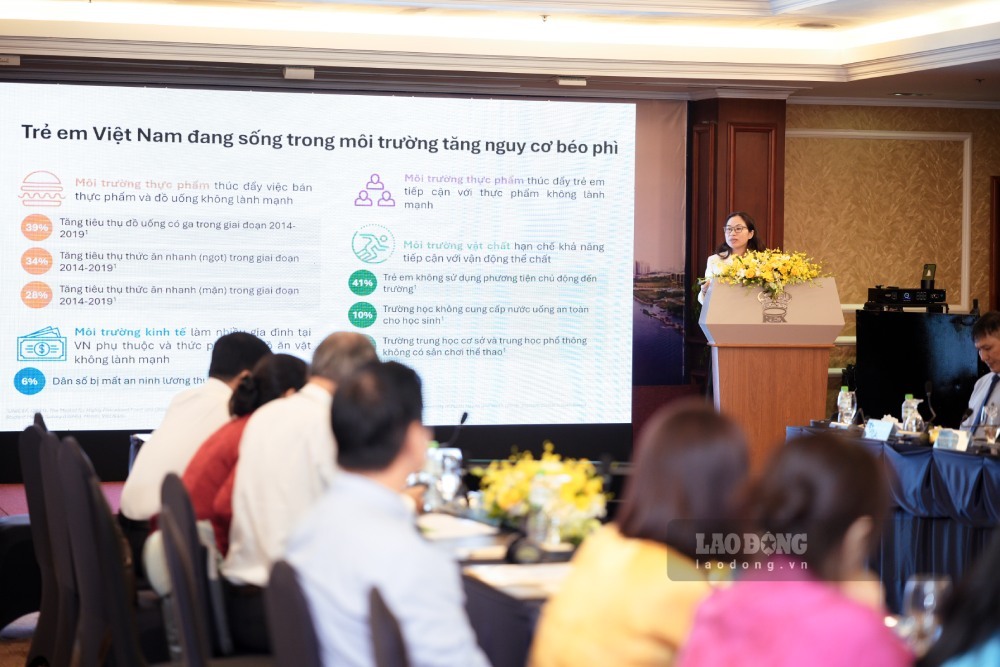
Assoc. Prof. Dr. Huynh Thi Vu Quynh, Head of Nephrology Department - Deputy Head of Pediatrics Department, University of Medicine and Pharmacy HCMC said that prevention of overweight and obesity requires coordination between family, school, health sector and living environment.
Families need to build a balanced diet, limit high-sugar foods and drinks, and create conditions for children to exercise regularly. Monitoring height, weight, and periodic health check-ups help detect early risks of overweight, obesity, and metabolic disorders.
At school, controlling meal quality, food environment and increasing exercise time are priority solutions. By 2030, Ho Chi Minh City has identified three key orientations: Standardizing school meals, controlling the food environment and strengthening physical activity.
Faced with the reality that nearly 5 million Vietnamese children are overweight and obese, early disease prevention needs to be prioritized. Families and schools should coordinate to monitor nutrition, maintain exercise, control weight and take children to the doctor when they gain abnormal weight.
In order to prevent overweight and obesity in children and adolescents, Ho Chi Minh City has become the first city in Vietnam to participate in the Cities for Better Health network, aiming to build a healthier living environment for future generations.
Ho Chi Minh City Department of Health, Ho Chi Minh City Department of Education and Training and Novo Nordisk Vietnam have signed a memorandum of understanding to implement the program "City for the health of future generations".
Accordingly, Ho Chi Minh City is the first city in Vietnam and the 57th in the world to participate in this network, with the witness and support of the Danish Embassy in Vietnam and Ho Chi Minh City leaders.
In the period 2026-2029, the program focuses on building a healthy school environment, helping children form good eating and exercise habits. Activities include health education, teacher training, prevention of overweight and obesity, early detection and management of health risks at school, and grassroots health care.
The program also promotes the application of digital technology and data in health education, communication to change behavior and school health management.


