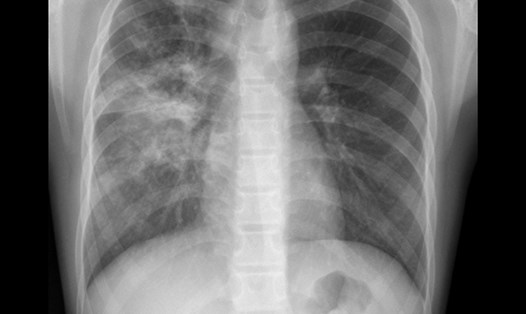
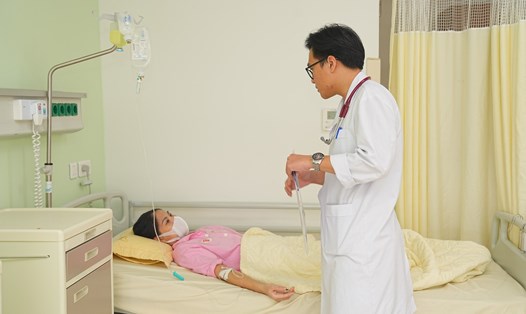
The patient is a male patient born in 1975, with a history of committed emphysema and has been treated stably for many years. Before being transferred to the 108 Central Military Hospital, the patient had a continuous high fever, chills, chest pain, shortness of breath and a chills and cough with fresh blood. Despite treatment at the lower level, the condition did not improve but became serious, forcing him to be transferred to the emergency room.
Upon admission, the doctors noted that the patient was in a state of multiple organ failure. Tests showed signs of severe infection. The chest CT scan showed that the lungs had severe acidosis spread over the old cave fibroid damage, and suspected Aspergillus fungal tumor.
More worryingly, the results of blood culture, phlegm and bronchial lavage were all positive for the bacteria Klebsiella pneumoniae, which often cause severe pneumonia and can lead to sepsis. The patient was diagnosed with sepsis from right pneumonia, co-infection with Aspergillus fungus in the ca passing literacy cave.
Despite being treated with antibiotics, antifungals and actively receiving respiratory support from the beginning, after 5 days, the patient still had a prolonged fever. Repeat testing shows that the Klebsiella pneumoniae strain has switched to multi-resistance, no longer meeting the original pattern. At the same time, Aspergillus fungal cavity continues to invade lung tissue, causing necrotizing inflammation and forming a large abscess in the abdomen above the right lung. This was a dangerous situation, directly threatening the patient's life.
Faced with the urgent developments, doctors at 108 Central Military Hospital organized a multidisciplinary consultation. The "match most effective" treatment regimen was agreed to save the patient.
Thanks to timely treatment regimens and close monitoring, the patient's condition improved rapidly: the patient had no fever, the inflammatory index decreased sharply, respiratory function gradually improved, liver and kidneys recovered. "shrinking the vehicle and the situation of fungal infection is significantly controlled. The patient ate well and slept well, had a stable spirit and cooperated with treatment, opening up opportunities for complete recovery.