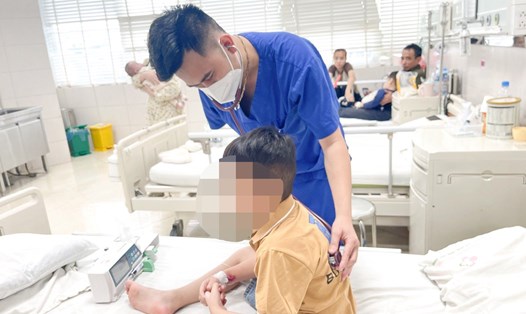
The Central Endocrinology Hospital has just admitted patient L.T.H.T (26 years old, Quang Ninh) with a state of nervousness, rapid heartbeat and cervical extravasance. A 26-year-old female patient in Quang Ninh was about to undergo surgery due to a misdygnosis of hyperthyroidism, and was only discovered to have extremely rare endocrine syndrome when she went to the Central Endocrinology Hospital.
The patient had a history of hyperthyroidism and was treated with synthetic anti-thyroidism drugs at a local hospital for 2 years. However, symptoms of rapid heart failure did not improve, and the thyroid gland continued to enlarge despite regular monitoring and treatment. Suspecting that the disease was progressing abnormally, Ms. T. moved to the upper level to find the cause.
At another hospital, the results of a cranial MRI showed a 3mm mass of the seilar tumor. Doctors thought about the possibility of a TSHhemical laryngoma and prescribed surgery. However, fearing the risks of having to have a knife and scissors intervention, the patient decided to go to the Central Endocrinology Hospital for a check-up before undergoing surgery.
Through in-depth examination, endocrine testing, specific diagnostic tests and genetic analysis, doctors determined that the patient had anti-receptory syndrome of motor thyroid hormone beta. This is a common genetic disease on normal chrome, extremely rare in the world with a rate of only about 1/40,000 newborns. The disease was first described in 1967 and so far only a few clinical cases have been recorded in medicine. From this result, the doctor advised the patient's family to go for a check-up and discovered that Ms. T's biological mother also had a similar syndrome but had cardiovascular complications leading to heart failure and arrhythmia.
According to experts, thyroid hormone vs. factor syndrome is easily confused with Basedow disease or TSH business senority tumor. If diagnosed incorrectly, the patient may have to use inappropriate medication or unnecessary surgery, seriously affecting his health and quality of life.
At the Diabetes Department - Central Endocrinology Hospital, the patient's treatment regimen has been adjusted appropriately and his health is improving significantly.
Dr. Lam My Hanh, Head of the Diabetes Department, said: For rare and special cases like the above, symptoms are often not as typical as normal hyperthyroidism. Therefore, the monitoring and treatment process requires specialized endocrine expertise to avoid applying incorrect regimens. If treatment is not properly, the disease will not only not improve but also leave serious consequences for the patient".