
According to information from Level 2 Field Hospital No. 7 (BVDC2.7), on August 24, two air ambulance teams (AMET) of the hospital were activated for two missions almost simultaneously in South Sudan.
One team implemented MEDEVAC, transferring patients from Bentiu to Juba; the other team received CASEVAC orders, mobilized to the Bor area to support situations with many casualties.
Previously, on August 22, BVDC2.7 received a United Nations police officer with a large amount of pleural effusion, cause not yet determined. After consultation, tests and diagnostic imaging, doctors aspirated about 500ml of pleural effusion to reduce compression of lung parenchyma and improve breathing.
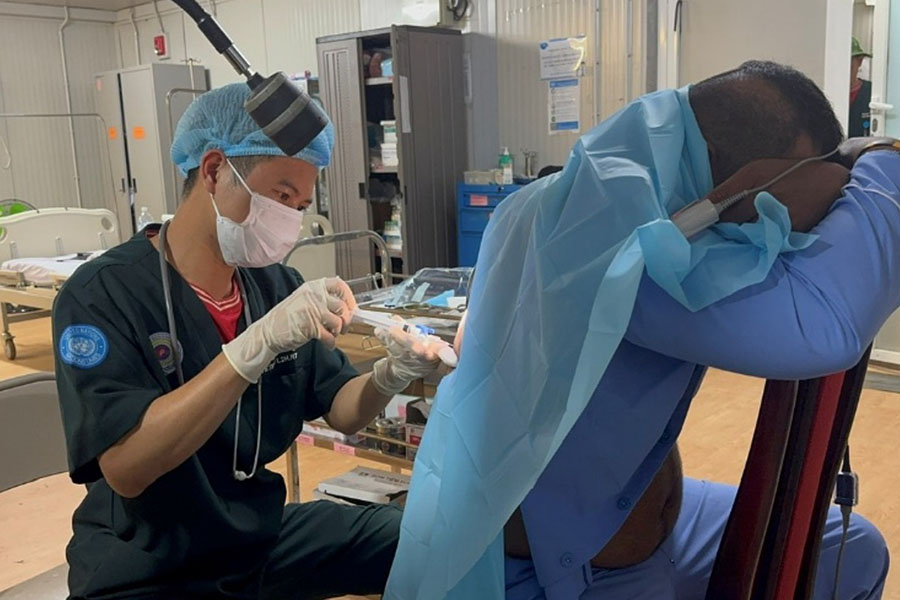
Due to the large amount of fluid leakage, the patient was ordered to be transferred to a more specialized medical facility in Juba. On the morning of August 24, AMET Team No. 1 including Captain, doctor Pham Cong Tinh and two nurses received the task of transportation.
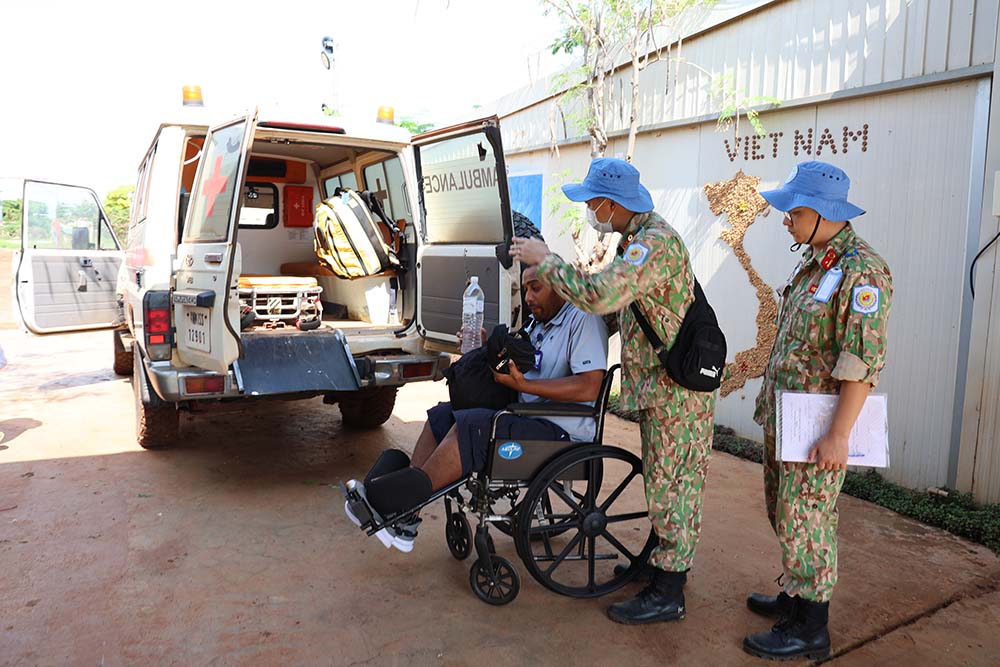
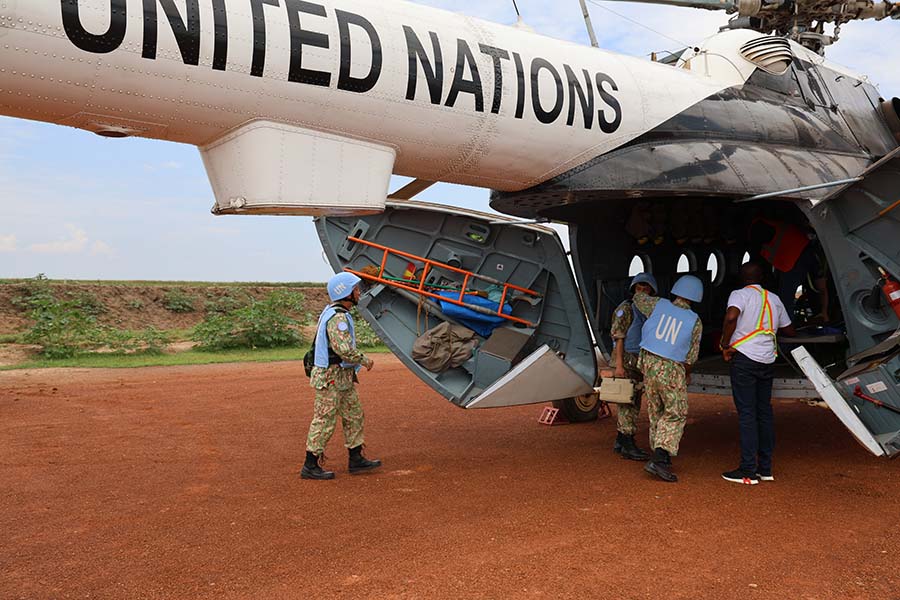
Before the flight, the team assessed the respiratory condition, hemodynamics, prepared monitors, oxygen, medicine and emergency equipment. The patient was maintained in a sitting or half-sitting position. For most of the journey, blood oxygen saturation ranged from 93-95%. When the plane was about to land, the patient's shortness of breath increased, and oxygen support and close monitoring were provided.
At about 12:00 PM on the same day, AMET Team No. 1 completed the handover of patients to Level 2+ Hospital of India in Juba. MEDEVAC mission was completed safely, no serious incidents were recorded.
While Team No. 1 was on duty, BVDC2.7 received urgent information from the Mission about the serious security situation in Bor, causing many casualties. Team AMET No. 2, headed by Captain, doctor Pham Ly Thanh, was immediately activated.
After 15 minutes, the team completed preparing medicine, supplies, trauma emergency equipment, oxygen, stretchers and communication equipment. Members brought protective equipment because the expected access area still has potential security risks.
In the early afternoon, the team boarded a helicopter to the mission area. However, after about 15 minutes of flight, the helicopter encountered a technical problem and had to land again. The team continued to maintain a state of readiness, coordinating to monitor the remedial plan or arrange replacement vehicles.
The two tasks show the requirement to maintain the continuous response capacity of BVDC2.7. One team transferred patients to higher levels, while the other team was ready to approach the scene for emergency care, classification and support in evacuating injured people.
According to the operating mechanism at the UNMISS Mission, CASEVAC is an emergency task to bring patients or wounded soldiers from the incident site to the original medical facility. The AMET team can be dispatched to the scene for first aid, resuscitation, classification and escorting the injured to the hospital during the "golden hour".
MEDEVAC is the process of transferring patients who have been examined, given first aid or received initial treatment from one medical facility to another medical facility or to a higher level in the Mission. The task is performed according to professional requirements, through the approval process of the Mission's medical agency and with medical escorts and continuous monitoring during transportation.
