
As a city with the densest heritage density in the country, Hanoi is gradually applying technology to "told stories" about heritage in a more modern way.
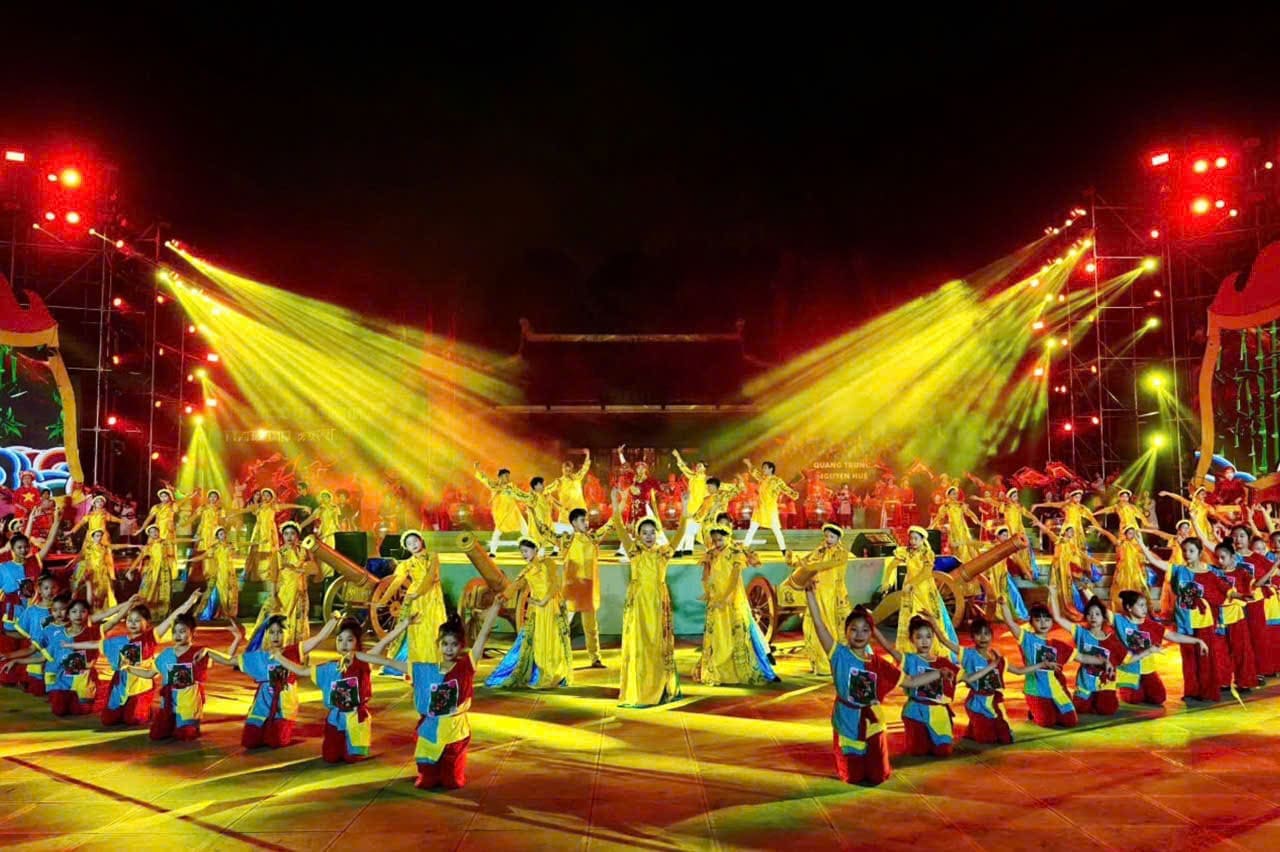
Over the past time, at relic sites in Hanoi such as Van Mieu - Quoc Tu Giam, Ngoc Son Temple, Thang Long Imperial Citadel Heritage Area, unique tourism products such as Van Mieu - Quoc Tu Giam Night Tour "Tinh hoa dao hoc", "Ngoc Son - Dem huyen bi", the play "Kinh do Thang Long" have all applied 3D mapping technology and digital experience space.
Viewers are no longer limited to physical space but can "step into" the past, observing every detail of the heritage vividly.
According to architect Dinh Viet Phuong - Director of 3Dart, if only preserving in the traditional way, static display or single-line introduction will make it very difficult to bring heritage closer to the public, and also difficult to create sustainable economic value.
When a relic is digitized properly, not only is the shape of the work preserved, but it also opens up new access possibilities in research, education and creativity.
Technology cannot just stop at performance effects. A standard heritage data system needs to ensure geometric accuracy, material structure and a clear metadata system.
If input data is not accurate enough, not standardized according to international standards, digital products will only be for illustrative communication purposes, and cannot be considered for real digital preservation," architect Dinh Viet Phuong said.
Reality shows that the digitalization of cultural heritage is currently clearly shown in two aspects: Preserving and promoting values. When heritage is transformed into data, the cultural values accumulated through many generations are not only preserved in the digital space, but also become materials for the cultural industry.
Examinator Nguyen The Son, lecturer at the School of Interdisciplinary Science and Arts (Vietnam National University, Hanoi) said that digitalization should not only stop at the goal of archiving, but needs to aim at exploiting and promoting values.
Possessing a rich and diverse heritage treasure, this is a great advantage for the Capital to develop in the direction of combining preservation and exploitation. When supported by technology, especially in fields such as art and design, heritage is not only "revved" but also creates new products, making practical contributions to economic growth.
Bringing heritage into the digital environment not only expands access, but also helps regenerate value, making heritage a dynamic part of contemporary life," curator Nguyen The Son emphasized.
Resolution 80-NQ/TW of the Politburo on Vietnamese cultural development has clearly identified that digital transformation in the cultural field is an inevitable trend, and also an important driving force to promote heritage values. Accessing cultural resources in a comprehensive, modern direction, linking preservation with sustainable development will contribute to turning heritage into assets, directly contributing to socio-economic development.
