
On October 31, the Consultation Workshop on effective shrimp farming solutions was organized by the Department of Fisheries in coordination with the Department of Agriculture and Rural Development of Ca Mau province.
Director of the Department of Fisheries Tran Dinh Luan commented: "The issue of increasing productivity and output must go hand in hand with the profits of farmers and businesses."
According to Mr. Luan, shrimp farmers' profits are low due to many reasons, but the main reasons are high production costs, increasing diseases, and difficulties in disease management in farmed shrimp. Chickens and pigs can have one cage, while shrimp are farmed in many large ponds with inadequate infrastructure, so disease management is always difficult. In the first 9 months of 2024, the country's shrimp output reached 1.1 million tons, with an estimated export turnover of 2.8 billion USD.
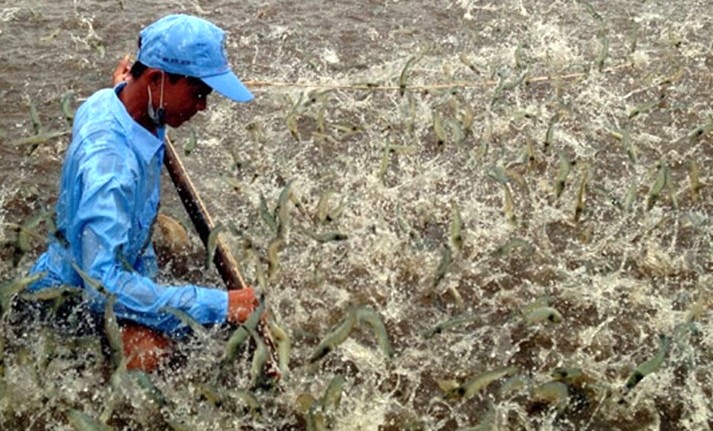
At the workshop, experts predicted that in the last months of the year, the shrimp industry will still face many challenges to overcome. Global shrimp production will increase again by the end of 2024 and remain stable until 2025. Black tiger shrimp will continue to be farmed and develop strongly again (China, Vietnam, Indonesia, India). Competition is fierce among shrimp producing countries, as some shrimp consuming countries have strategies to develop domestic aquaculture, increasing quality requirements.
From the difficulties as well as forecasts for the development of the shrimp industry, the workshop discussed solutions for applying science, technology and organizing effective shrimp seed production and farming in the last months of 2024 and early 2025. In particular, it is necessary to promptly restore production after natural disasters and organize winter shrimp production. Authorities need to properly manage the quality of seeds and aquatic materials to serve production. Increase stocking in areas that have not been stocked according to plan, focus on intensive farming, high technology, and well manage environmental and disease factors (stocking density appropriate to technical level, management, season, infrastructure, supporting equipment, etc.).
Good management and implementation of food safety to meet market requirements. There is coordination between fisheries and veterinary agencies, agricultural extension agencies, etc. to implement and guide the implementation of environmental monitoring and warning, disease prevention and food safety work that needs to be strengthened to increase efficiency, and the quality of farmed shrimp needs to be focused on. In addition, review the seasonal schedule for seed release, adjust it to suit local conditions as well as production methods.
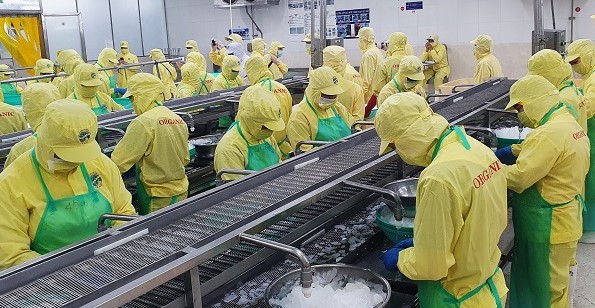
According to the Department of Agriculture and Rural Development of Ca Mau, shrimp farming output reached over 200 thousand tons, reaching 82.30% of the plan, up 2.02% over the same period, seafood export turnover reached 968 million USD, equal to 87% of the plan, up over 12% over the same period.
Recently, shrimp prices have increased again, which is a positive sign, creating momentum for the shrimp industry to continue to accelerate. Although shrimp prices have improved, the shrimp industry in the country in general and Ca Mau shrimp in particular still face many challenges. Shrimp farmers are facing the impacts of climate change, unusual weather changes; diseases in farmed shrimp still occur; the shrimp farming environment has not been well controlled; the application of science and technology is still limited. Through the workshop, it is expected to raise important issues, contributing to helping the shrimp industry overcome difficulties and develop in the last months of 2024.
