

Nếu luôn trong trạng thái thèm ăn đồ ngọt cho thấy cơ thể đang thiếu một số khoáng chất, đặc biệt là magiê. Thiếu hụt magiê ở phụ nữ thường liên quan đến kinh nguyệt. Triệu chứng này cũng gặp ở các vận động viên tập luyện cường độ cao và cơ thể dành magiê cho hoạt động của cơ bắp. Ảnh đồ hoạ: An An.
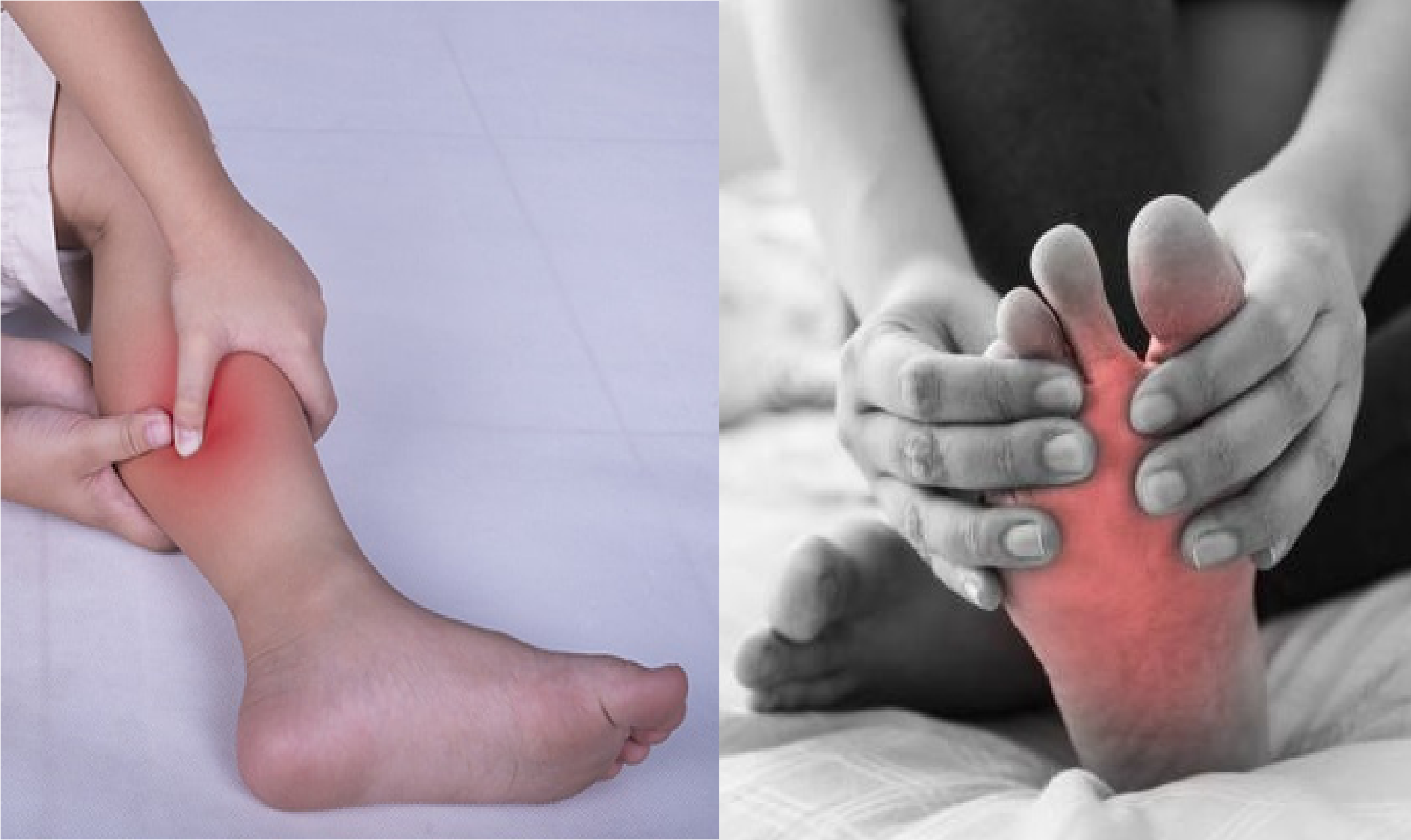
Chuột rút, đau nhức cơ rất đau đớn và nếu bị chúng thường xuyên thì đó có thể là dấu hiệu của mức magiê thấp. Magiê và vitamin D, E và B có thể ngăn ngừa chuột rút cơ bắp. Vì vậy, hãy đến gặp bác sĩ để kiểm tra mức độ thiếu hụt các loại vitamin này để nhận được tư vấn liều lượng khuyến nghị hàng ngày. Ngoài ra, khi gặp triệu chứng này bạn có thể xoa bóp các cơ theo chuyển động tròn để vơi bớt cơn đau. Ảnh đồ hoạ: An An.
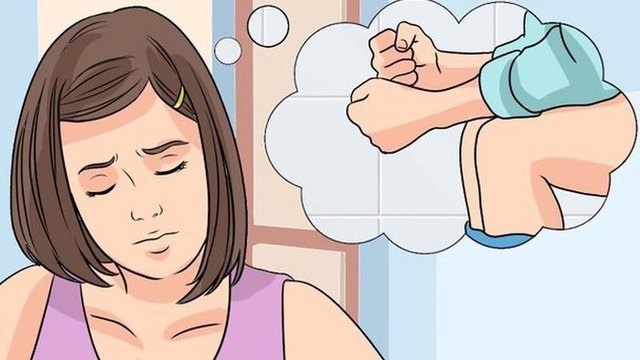
Có nhiều lý do khiến bạn có thể bị táo bón như căng thẳng, thiếu chất xơ. Tuy nhiên magiê cũng liên quan đến hoạt động đường tiêu hóa. Do thiếu khoáng chất này, các chức năng của ruột không hoạt động bình thường dẫn đến táo bón.

Thiếu magiê có thể gây mất ngủ vì magiê rất quan trọng đối với chức năng thư giãn não bộ. Khả năng này giúp chúng ta chìm vào giấc ngủ ngon lành. Như đã phân tích, lượng magiê thấp có thể dẫn đến chuột rút cơ bắp dễ xảy ra vào ban đêm lúc đi ngủ. Kết quả là chất lượng giấc ngủ giảm xuống. Ảnh đồ hoạ: An An.

Magiê cần thiết cho các phản ứng tạo ra năng lượng cho cơ thể. Thiếu hụt magiê dẫn đến các biểu hiện mệt mỏi, lười vận động. Ảnh đồ hoạ: An An.
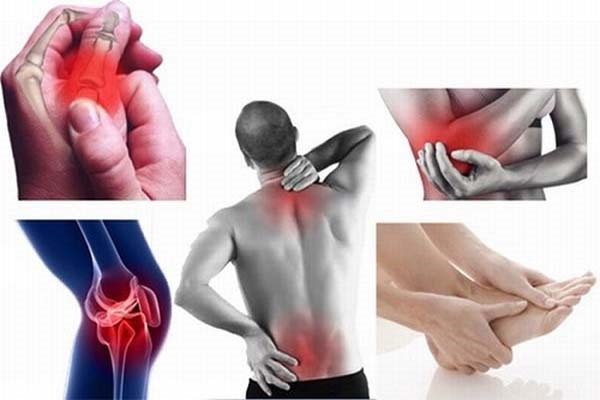
Thiếu magiê cũng có thể làm tăng nguy cơ phát triển các vấn đề về xương. Điều này có thể dẫn đến tăng nguy cơ gãy xương, làm giảm hàm lượng canxi trong máu và canxi rất cần thiết để duy trì xương khỏe mạnh.
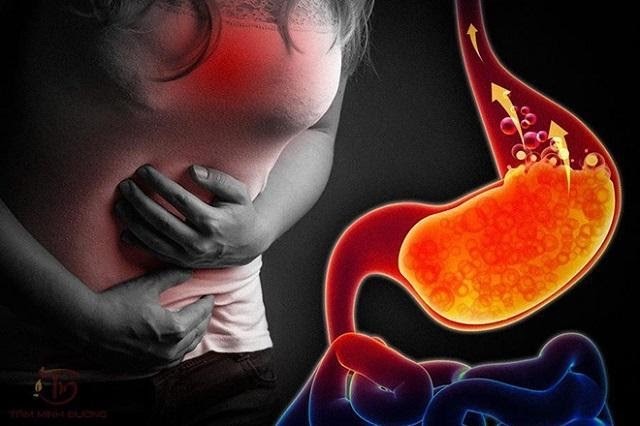
Nếu bạn bị thiếu magiê, thức ăn và axit trong dạ dày sẽ trào lên thực quản. Điều này dẫn đến cảm giác nóng rát được gọi là trào ngược axit hoặc ợ chua.
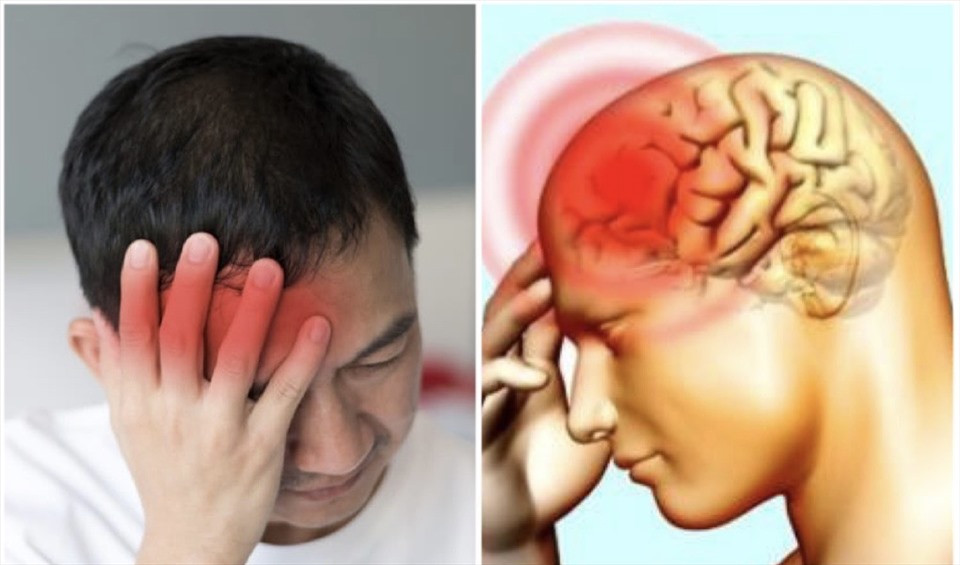
Nếu thiếu tất cả các loại vitamin A, B, C và D nó có thể dẫn đến đau đầu rất nghiêm trọng. Thiếu magiê có thể gây ra chứng đau nửa đầu và đau đầu thường xuyên. Khi thiếu hụt khoáng chất này, các mạch máu trong não nhanh chóng bị thu hẹp hoặc giãn nở, đây là nguyên nhân gây ra chứng đau nửa đầu. Một lượng magiê vừa đủ trong cơ thể sẽ loại bỏ chứng đau đầu. Ảnh đồ hoạ: An An.


