Chế độ dinh dưỡng
Chế độ dinh dưỡng thích hợp là một yếu tố vô cùng quan trọng để phòng ngừa bệnh đột quỵ.
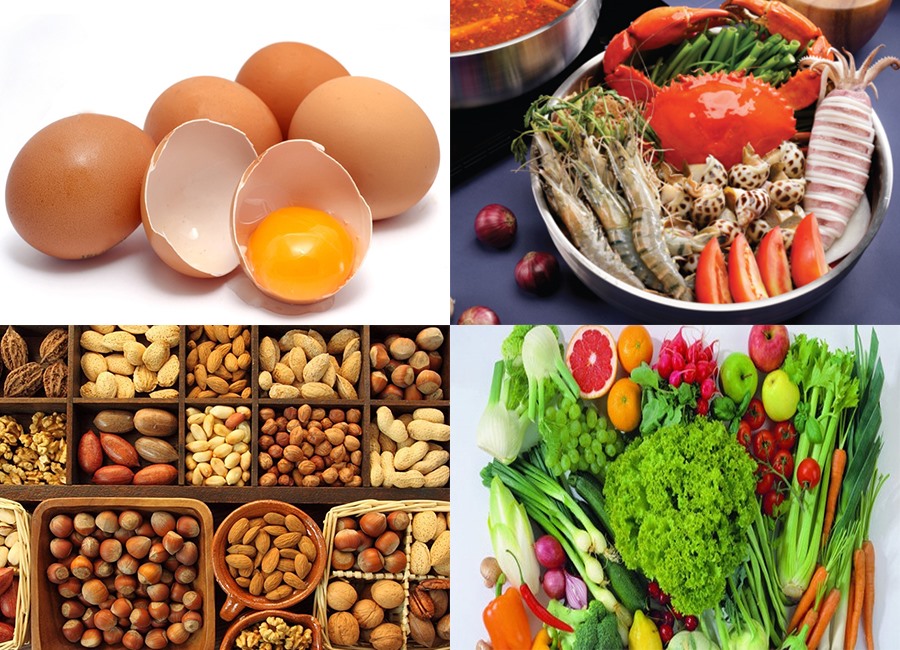
- Ăn nhiều thực phẩm từ thực vật như rau xanh, các loại đậu, ngũ cốc nguyên hạt, và các loại hạt.
- Ăn hải sản nhiều hơn, ăn thịt gia cầm và trứng thay vì thịt đỏ.
- Hạn chế lượng muối, chất béo, đồ chiên rán nhiều dầu mỡ, hạn chế ăn đường và ngũ cốc tinh chế.
Tập thể dục nhiều hơn
Theo Hiệp Hội Tim mạch Mỹ, người ít vận động có nguy cơ đột quỵ nhiều hơn 20% so với người tập luyện 4 lần mỗi tuần. Tập thể dục thường xuyên với các bài tập phù hợp góp phần giúp tuần hoàn máu trong cơ thể, nhịp tim ổn định. Nhờ đó, hạn chế nguy cơ mắc bệnh tim mạch dẫn đến đột quỵ.

Hạn chế uống bia, rượu
Thay vì thường xuyên sử dụng rượu, bia với nồng độ cao, bạn nên uống rượu vang đỏ với một lượng vừa phải (khoảng 1 ly nhỏ mỗi ngày). Rượu vang đỏ có chứa resveratrol, giúp bảo vệ tim và não.
Giữ ấm cơ thể
Cần giữ ấm cơ thể trong thời điểm giao mùa. Người trung và cao tuổi nên mặc ấm lúc đi ngủ, ra khỏi phòng, kể cả khi đi bộ buổi sáng tránh để cơ thể không nhiễm lạnh đột ngột, dễ tăng huyết áp đột ngột. Nếu không phòng ngừa tăng huyết áp có thể gây ra cơn tăng huyết áp khiến mạch máu vỡ, gây ra đột quỵ.

Kiểm soát bệnh đái tháo đường
Việc kiểm soát chỉ số đường huyết theo hướng dẫn của bác sĩ là điều cần thiết. Ngoài ra, bạn nên áp dụng chế độ ăn uống khoa học, tập thể dục và dùng thuốc điều trị để giữ đường huyết luôn ở mức ổn định.
Không hút thuốc lá
Theo nhiều nghiên cứu, hút thuốc lá có thể làm tăng nguy cơ đột quỵ. Nếu khó từ bỏ thuốc lá, bạn nên nhờ bác sĩ tư vấn để chọn cách thích hợp, ví dụ sử dụng các sản phẩm giúp cai thuốc lá như viên ngậm nicotine, miếng dán…