
Lăng mộ Tần Thủy Hoàng được phát hiện cách đây 50 năm, vào tháng 3.1974. Những người nông dân đào giếng ở tỉnh Thiểm Tây, phía Bắc Trung Quốc đã khai quật được những mảnh đất sét, từ đó dẫn tới một trong những khám phá khảo cổ vĩ đại nhất mọi thời đại.
Một kho báu bất ngờ đã được phát hiện: Thành phố ngầm rộng lớn với đội quân đất nung có kích thước như người thật đã tồn tại hơn 2.000 năm.
Có 8.000 bức tượng đã được khai quật từ lăng mộ Tần Thủy Hoàng cho đến thời điểm hiện tại, chủ yếu mô tả những người lính, và cả những người hầu, ca kỹ và ngựa.
Xe ngựa bằng đồng, vũ khí và bình nghi lễ, đồ trang sức bằng ngọc bích, nữ trang bằng vàng và bạc cũng được khai quật trong lăng mộ rộng lớn được xây dựng để bảo vệ hoàng đế đầu tiên của Trung Quốc ở thế giới bên kia.
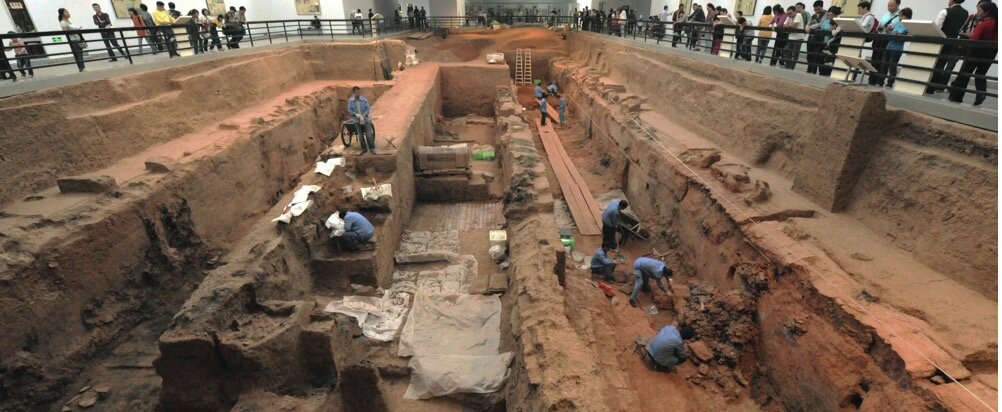
"Bí ẩn các chiến binh đất nung" - bộ phim tài liệu Netflix mới do đạo diễn người Anh James Tovell (người thực hiện bộ phim "Bí mật lăng mộ Saqqara") thực hiện, đã khám phá những nỗ lực khai quật và lịch sử của ngôi mộ cổ, cũng như sự hưng thịnh và suy vong của triều đại nhà Tần (221-207 trước Công nguyên) do Tần Thủy Hoàng sáng lập.
Trong phim, giáo sư sử học nhà Tần Lo Yuet Keung tin rằng những khuôn mặt trong các bức tượng - mỗi bức tượng là một khuôn mặt độc nhất - đều dựa trên những người có thật từ khắp Trung Quốc. Đây rất có thể là ý tưởng của Tần Thủy Hoàng, vì việc thống nhất những người thuộc các sắc tộc khác nhau vào một đế chế là một biểu tượng quyền lực mạnh mẽ.
"Nếu không có vị hoàng đế đầu tiên thì có thể Trung Quốc sẽ tiếp tục bị chia cắt thành các quốc gia khác nhau" - ông nói.
"Bí ẩn của các chiến binh đất nung" cho thấy lăng mộ Tần Thủy Hoàng - di tích được bảo tồn lớn nhất ở Trung Quốc và là Di sản Thế giới của UNESCO từ năm 1987 - giống như một hiện trường vụ án khổng lồ mà ở đó các nhà khảo cổ sử dụng bằng chứng pháp y để ghép lại quá khứ, SCMP nhận định.
Bộ phim kết hợp các cảnh tái hiện, nêu bật cuộc sống của lực lượng lao động hơn 700.000 người xây dựng lăng mộ. Họ là tù nhân chiến tranh từ các quốc gia mà nhà Tần chinh phạt.
Cuộc khai quật lăng mộ cũng giúp khám phá ra những thông tin chi tiết về các chiến binh nhà Tần ngoài đời thực được chôn cất cùng với Tần Thủy Hoàng. Mộ cổ của Tần Thủy Hoàng hiện vẫn bị niêm phong vì lo ngại mở ra có thể dẫn tới thiệt hại không thể khắc phục. Ngoài ra cũng có lo ngại trong lăng mộ Tần Thủy Hoàng có bẫy nguy hiểm.
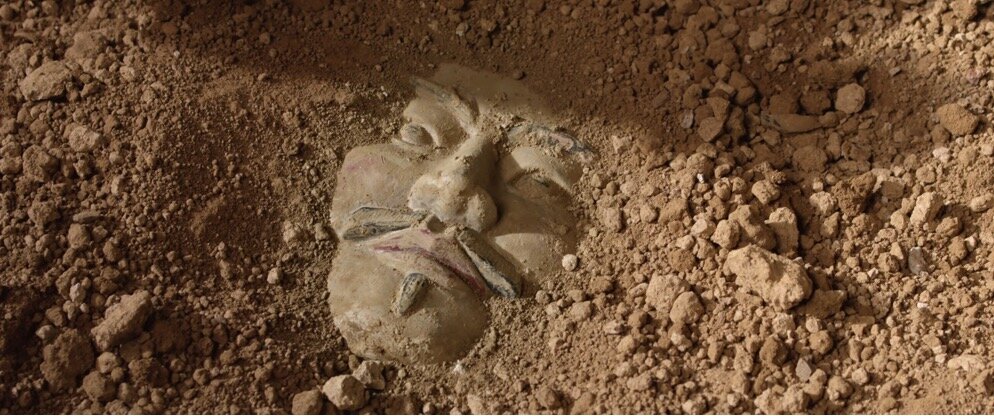
Chia sẻ về lăng mộ Tần Thủy Hoàng, nhà sử học nhà Tần Hui Ming Tak cho hay, đây là “một khu phức hợp lăng mộ rộng 60 km2, tương đương với diện tích của Manhattan” ở New York, Mỹ.
Tần Thủy Hoàng, tên húy là Doanh Chính, đã dùng đội quân khổng lồ lần lượt chinh phục 6 vương quốc độc lập ở cuối thời Chiến Quốc, thống nhất Trung Quốc vào năm 221 trước Công nguyên, chấm dứt nhiều thế kỷ hỗn loạn chính trị và đổ máu. Nhà Tần chỉ tồn tại được 15 năm nhưng tên gọi của Trung Quốc lại bắt nguồn từ thời điểm đó. Tần Thủy Hoàng cũng có công trong mở rộng Vạn Lý Trường Thành của Trung Quốc.
Lăng mộ Tần Thủy Hoàng được xây dựng trong vòng 38 năm. Cách bố trí của lăng mộ phản ánh quy hoạch của thành Hàm Dương - kinh đô của nhà Tần ở tỉnh Thiểm Tây, Trung Quốc ngày nay.
Tần Thủy Hoàng xây dựng lăng mộ để bảo vệ ông trong quá trình đạt được sự bất tử. Vị hoàng đế đầu tiên của Trung Quốc đã cử người hầu đi tìm cho mình những loại thuốc trường sinh bất tử. Trớ trêu thay, việc uống thần dược “trẻ mãi không già” có khả năng đã khiến ông qua đời ở tuổi 49, vì một số loại thuốc có chứa chất độc thủy ngân.


