Hai chiếc bình gốm sứ mua từ một cửa hàng tiết kiệm ở London với giá 20 bảng Anh (25 USD) có niên đại từ triều đại nhà Thanh thế kỷ 18 và có thể bán với giá lên tới 50.000 bảng Anh (62.700 USD) - CNN đưa tin.
Cặp bình "doucai" hoa sen và hoa cúc của hoàng gia Trung Quốc sẽ được đem ra đấu giá tại Roseberys ở London, Anh vào ngày 16.5.
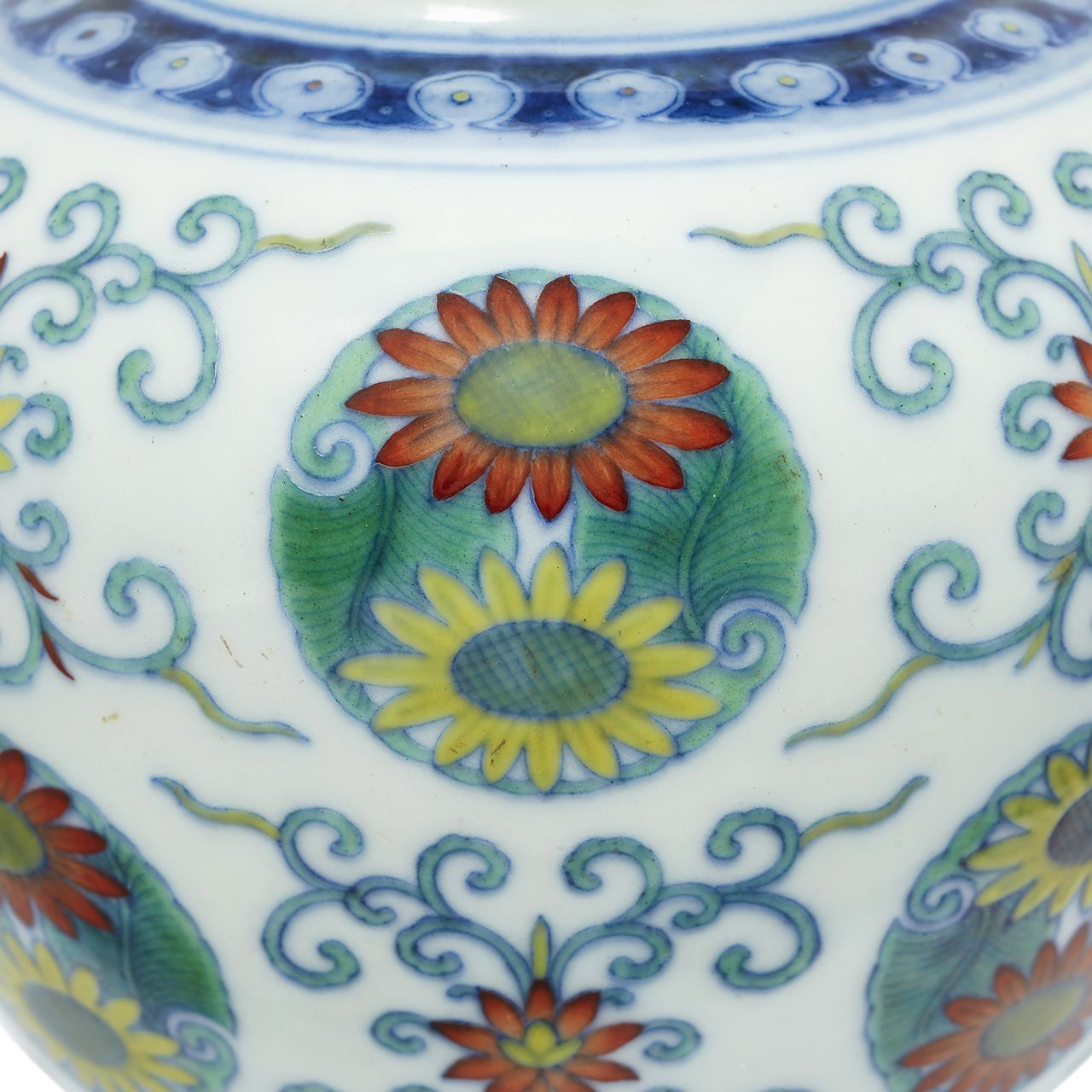
Doucai (đấu thái) là một kỹ thuật trang trí đồ sứ Trung Quốc, trong đó các phần của họa tiết trang trí và một số viền ngoài của phần còn lại được tô vẽ bằng chất màu xanh lam dưới men, sau đó được tráng men và đem nung.
Bill Forrest - phó giám đốc và người đứng đầu bộ phận nghệ thuật Trung Quốc, Nhật Bản và Đông Nam Á tại Roseberys - cho biết kỹ thuật doucai bắt đầu được sử dụng từ thế kỷ 15 vào đầu triều đại nhà Minh.
Forrest nói, đồ sứ hoàng gia Trung Quốc thường được sản xuất cực kỳ cẩn thận, rất hiếm và không thường xuyên, chỉ được sản xuất cho triều đình.
Những chiếc bình được tráng men tinh xảo, đường kính 11,5 cm, vẽ những bông hoa cúc đang nở rộ và những chiếc lá sen uốn lượn, với lớp men màu đỏ, vàng và xanh lá cây sống động cùng lớp men bên dưới màu xanh lam.
Mặc dù nguyên mẫu cho thiết kế đặc biệt này chưa được tìm thấy, nhưng hoa văn được nhận ra trên những chiếc bát khai quật từ các lò nung của triều đại nhà Minh.
Theo Forrest, người bán những chiếc bình là một nhà sưu tập đồ gốm. Họ đã nhìn thấy những món đồ này trong một cửa hàng tiết kiệm vào năm ngoái và biết rằng “phải mua chúng” mà không hề biết giá trị của chúng.
Forrest nói: “Tôi nghĩ bất cứ ai đứng trước gốm sứ của hoàng gia Trung Quốc, bất kể kinh nghiệm của họ như thế nào, đều sẽ cảm thấy bị thu hút ở một mức độ nào đó".
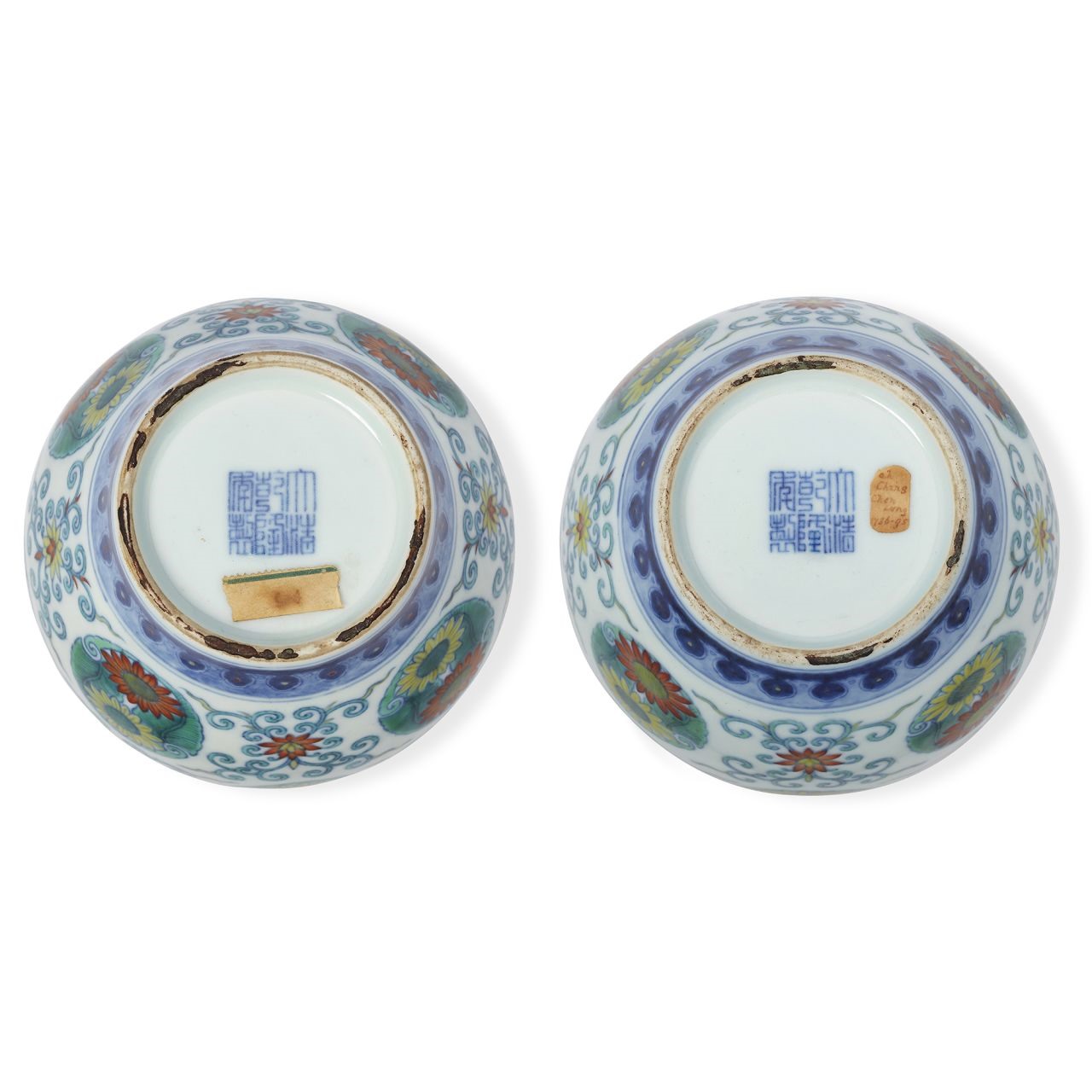
Chỉ đến khi người bán nghiên cứu dòng chữ được tìm thấy ở đáy của một trong những chiếc lọ - “Càn Long” - thì họ mới nhận ra ý nghĩa tiềm tàng của đồ sứ. Sau đó, họ mang các món đồ đến nhà đấu giá để kiểm tra.
Càn Long là hoàng đế thứ tư của triều đại nhà Thanh trị vì trong sáu thập kỷ.
Những chiếc lọ có thiết kế tương tự đã được bán trong các cuộc đấu giá trước đây. Một cặp có nắp được bán tại Sotheby’s London với giá 277.200 bảng Anh (khoảng 347.000 USD) vào tháng 11.2021.