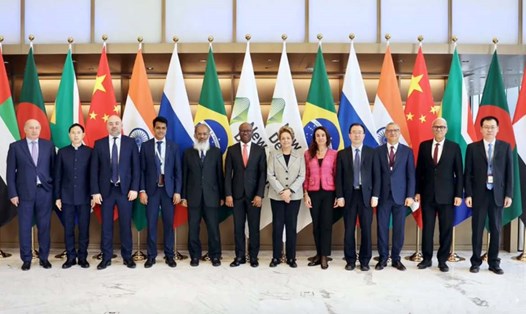
TASS đưa tin, Phó Giám đốc điều hành thứ nhất của Quỹ Tiền tệ Quốc tế (IMF) Gita Gopinath cho biết, một số quốc gia đang nỗ lực giảm sự phụ thuộc vào đồng USD do những cú sốc liên quan đến đại dịch COVID-19 và xung đột ở Ukraina, cũng như những lo ngại về an ninh quốc gia.
Bà Gopinath nói tại Viện Nghiên cứu Chính sách Kinh tế Stanford hôm 7.5: “Một số quốc gia đang đánh giá lại sự phụ thuộc nặng nề vào đồng USD trong các giao dịch quốc tế và dự trữ ngoại hối. Sau nhiều năm với những cú sốc lớn, bao gồm đại dịch COVID-19 và chiến sự Nga - Ukraina, các quốc gia đang đánh giá lại các đối tác thương mại của mình dựa trên những lo ngại về kinh tế và an ninh quốc gia”.
Tuy nhiên, theo bà Gopinath, "bất chấp rủi ro địa chính trị gia tăng, dữ liệu mới nhất cho thấy, đồng USD vẫn chiếm ưu thế. Trong hệ thống thanh toán quốc tế SWIFT, đồng USD vẫn chiếm hơn 80% tài chính thương mại, do phần lớn giao dịch hàng hóa tiếp tục được lập hoá đơn và thanh toán bằng USD.
Đồng USD cũng chiếm gần 60% dự trữ ngoại hối bất chấp xu hướng dần dần đa dạng hóa dự trữ ngoại hối khỏi đồng bạc xanh và chuyển một phần sang các loại tiền dự trữ phi truyền thống như đô la Australia và đô la Canada.
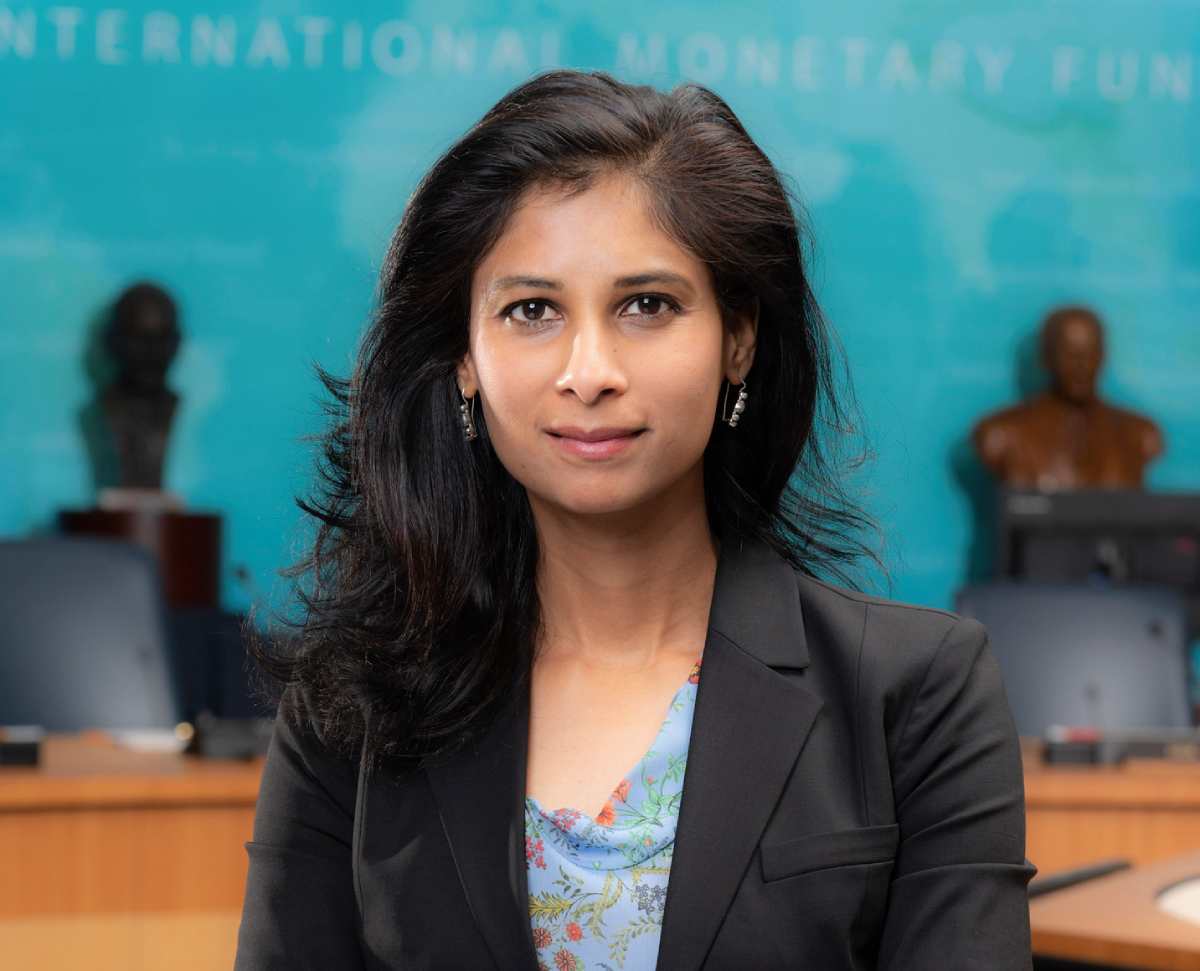
Liên quan đến vàng, theo bà Gopinath, diễn biến đáng chú ý nhất trong giai đoạn 2022-2023 là việc các ngân hàng trung ương tăng cường mua vàng.
Giá vàng tăng kỷ lục trong thời gian gần đây, do vàng thường được coi là tài sản an toàn trung lập về mặt chính trị, có thể được lưu trữ tại nhà và được cách ly khỏi các lệnh trừng phạt hoặc tịch thu.
Bà Gopinath cho hay, tỉ trọng vàng trong dự trữ ngoại hối của nhóm các nước nghiêng về Trung Quốc đã tăng lên kể từ năm 2015 - một xu hướng không chỉ do Trung Quốc và Nga thúc đẩy. Điều quan trọng là trong cùng thời gian đó, tỉ lệ vàng trong dự trữ ngoại hối của các quốc gia trong khối nghiêng về Mỹ nhìn chung ổn định.
Theo bà Gopinath, điều này cho thấy, việc mua vàng của một số ngân hàng trung ương có thể bị thúc đẩy bởi lo ngại về rủi ro bị trừng phạt. Điều này phù hợp với một nghiên cứu gần đây của IMF xác nhận rằng, các nhà quản lý dự trữ ngoại hối có xu hướng tăng lượng vàng nắm giữ để phòng ngừa những bất ổn kinh tế và địa chính trị, bao gồm cả rủi ro bị trừng phạt.
Nhìn vào Trung Quốc, tỉ trọng vàng trong tổng dự trữ ngoại hối đã tăng từ dưới 2% năm 2015 lên 4,3% vào năm 2023. Trong cùng thời gian đó, giá trị nắm giữ trái phiếu kho bạc Mỹ của Trung Quốc so với dự trữ ngoại hối đã giảm từ 44% xuống khoảng 30%.
Xu hướng giảm vẫn tồn tại ngay cả khi tính đến thực tế là một số trái phiếu Mỹ mà Trung Quốc nắm giữ có thể được giữ ở cơ quan thanh toán bù trừ châu Âu Euroclear tại Bỉ.