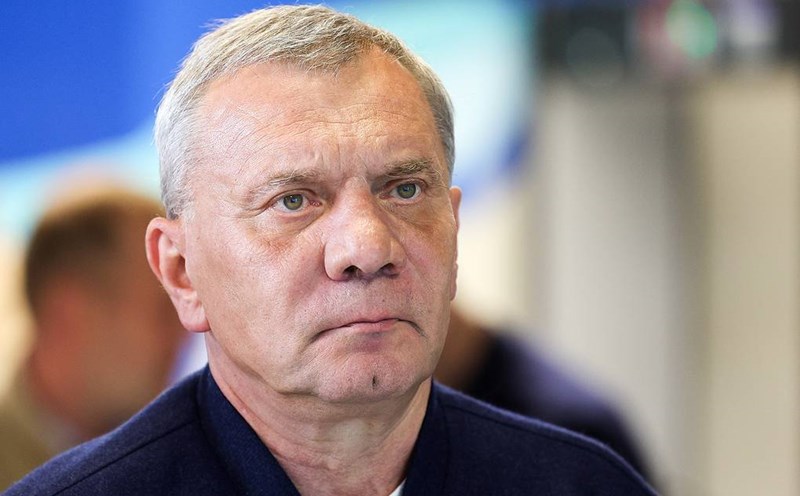
RT đưa tin, ngày 4.7, Tổng thống Vladimir Putin tuyên bố ngành công nghiệp quốc phòng Nga đã sẵn sàng bắt đầu sản xuất các tên lửa tầm trung và tầm ngắn vốn bị cấm theo Hiệp ước Lực lượng hạt nhân tầm trung (INF) thời Chiến tranh Lạnh.
Hiệp ước INF cấm các hệ thống này, nhưng Mỹ đã rút khỏi hiệp ước vào năm 2019. Lựa chọn của Mátxcơva là duy trì lệnh cấm miễn là Washington cũng tuân thủ.
“Như tôi đã nói, liên quan đến việc Mỹ rút khỏi hiệp ước này và thông báo rằng họ đang bắt đầu sản xuất, chúng tôi cũng cho rằng mình có quyền bắt đầu nghiên cứu, phát triển và sản xuất trong tương lai” - Tổng thống Nga phát biểu hôm 4.7 tại một cuộc họp báo sau hội nghị thượng đỉnh Tổ chức Hợp tác Thượng Hải (SCO) tại Astana, Kazakhstan.
“Chúng tôi đang tiến hành nghiên cứu, phát triển và sẵn sàng bắt đầu sản xuất. Về nguyên tắc, chúng tôi đã đưa ra các hướng dẫn liên quan cho ngành công nghiệp quốc phòng của mình” - ông Putin nói thêm.
Tuần trước, Tổng thống Putin cũng đã đề cập trong cuộc họp của Hội đồng An ninh Quốc gia ở Mátxcơva về khả năng Nga có thể tiếp tục sản xuất các hệ thống tên lửa bị cấm trước đây, với lý do “hành động thù địch” của Mỹ.
“Bây giờ chúng ta biết rằng Mỹ không chỉ sản xuất những hệ thống tên lửa này mà còn đưa chúng đến châu Âu, Đan Mạch để sử dụng trong các cuộc tập trận” - ông Putin giải thích vào thời điểm đó.
Ông chủ Điện Kremlin tuyên bố, các động thái của Washington khiến Mátxcơva không còn lựa chọn nào khác ngoài việc khôi phục các chương trình tên lửa tầm trung và tầm ngắn, đồng thời cho biết thêm rằng chúng sẽ được triển khai “dựa trên tình hình thực tế, nếu cần thiết”.
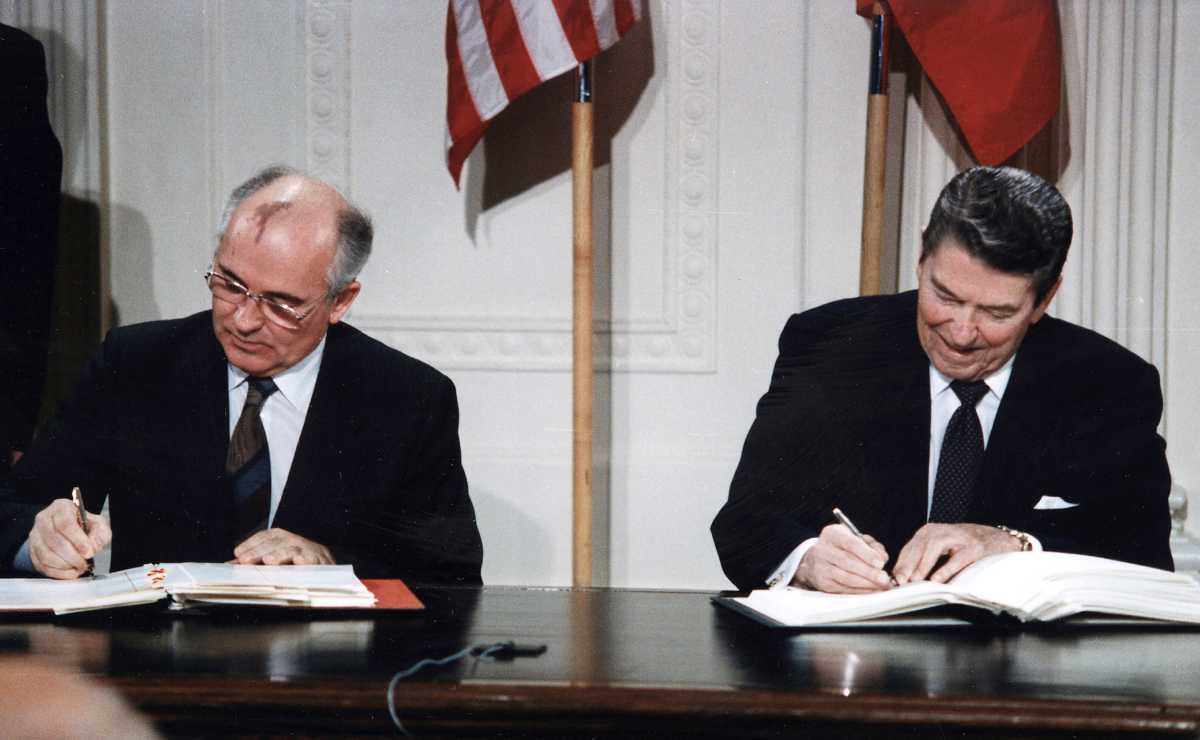
Hiệp ước INF năm 1987 cấm cả Mỹ và Liên Xô sản xuất và triển khai tên lửa đạn đạo, tên lửa hành trình đất đối đất cũng như các bệ phóng tương ứng của chúng với tầm bắn từ 500 đến 5.500 km. Theo Hiệp ước, các bên phải rút tất cả các bệ phóng và tên lửa loại này, bao gồm tên lửa trên cả lãnh thổ châu Âu và châu Á của Liên Xô, trong vòng 3 năm.
Hiệp ước không ảnh hưởng đến các hệ thống tên lửa trên không hoặc trên biển có cùng phạm vi. Điều này giúp giảm bớt căng thẳng về việc triển khai vũ khí hạt nhân ở châu Âu.
Nga với tư cách là nước kế nhiệm Liên Xô tiếp tục tuân thủ hiệp ước, đồng thời nêu lo ngại rằng các cơ sở của Mỹ ở Đông Âu - bề ngoài được thiết kế để phòng thủ tên lửa - đã vi phạm hiệp ước vì các bệ phóng của họ cũng có khả năng triển khai tên lửa tấn công mặt đất.
Năm 2019, Mỹ rút khỏi Hiệp ước INF, cáo buộc Nga vi phạm hiệp ước mà không đưa ra bằng chứng chứng minh cho tuyên bố đó.