Nhà máy hydro xanh có thể lớn đến mức nào?
Nhà máy mới sẽ lớn hơn nhiều so với bất kỳ nhà máy nào khác được hình thành cho đến nay. Quan trọng hơn, nó sẽ giúp vá một số lỗ hổng trong kế hoạch độc lập năng lượng của châu Âu, nơi khí đốt Nga vẫn đang bám trụ bất chấp trừng phạt.
Nikkei Asia cho hay, công suất dự kiến của nhà máy là 80.000 tấn/năm, lớn hơn gần 30 lần so với công suất của cơ sở lớn nhất thế giới đang hoạt động.
Nền kinh tế toàn cầu hiện nay chủ yếu dựa vào hydro được sản xuất từ khí đốt, nhưng chi phí năng lượng gió và mặt trời giảm mạnh đã khuấy động hoạt động trong lĩnh vực sản xuất hydro xanh.
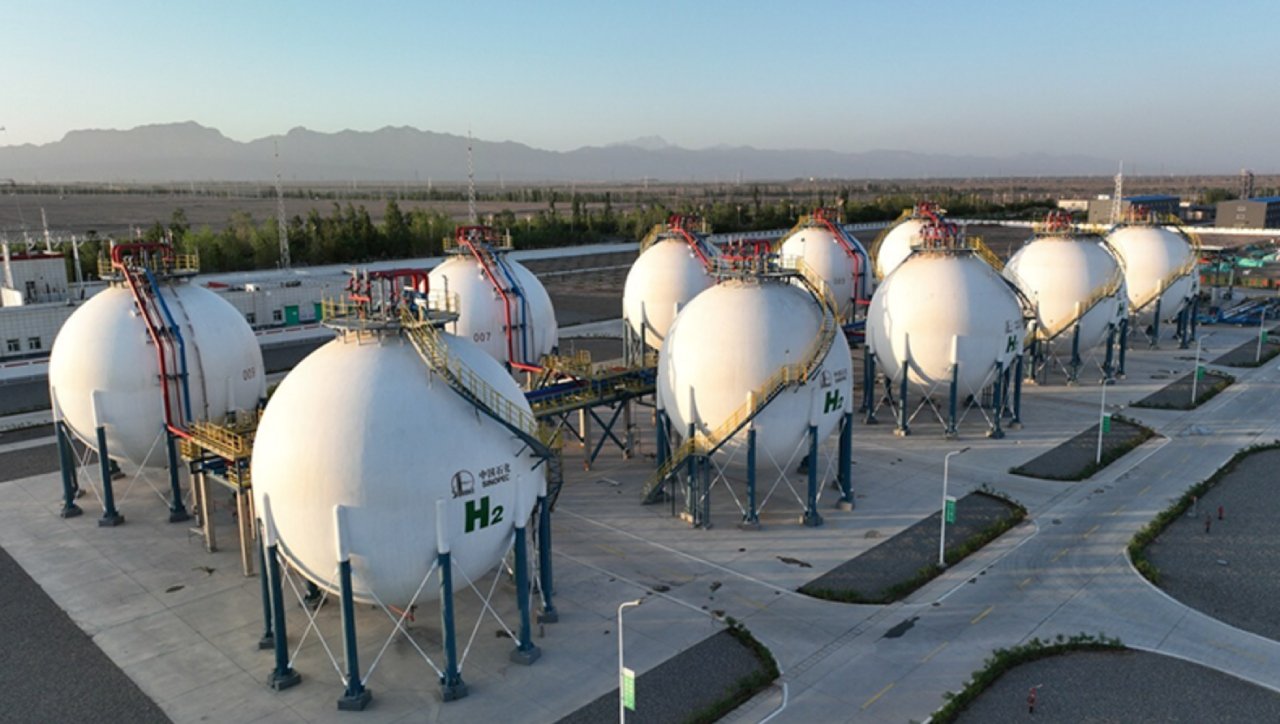
Theo trang Hydrogen Insight, nhà máy điện phân Kuqa ở Tân Cương, Trung Quốc, được mô tả là cơ sở sản xuất hydro xanh lớn nhất thế giới hiện nay.
Nhà máy có công suất 260 MW bắt đầu hoạt động vào mùa hè năm ngoái với sản lượng ban đầu là 10.000 tấn mỗi năm, dự kiến tăng lên 20.000 tấn khi hoạt động hết công suất.
EU kỳ vọng thoát khí đốt Nga
Nhà máy điện phân mới nằm dưới sự bảo trợ của Eneco Diamond Hydrogen, một liên doanh giữa Mistubishi và công ty Eneco của Hà Lan. Được mệnh danh là “Máy điện phân Eneco”, dự án 800 MW ban đầu nhằm mục đích khử carbon cho các ngành công nghiệp phụ thuộc vào khí đốt.
Kế hoạch là triển khai cả năng lượng gió và năng lượng mặt trời để duy trì hoạt động của các máy điện phân.
Đến tháng 11 năm ngoái, Eneco vẫn đang trong quá trình nộp đơn đăng ký quy hoạch. Nếu mọi việc diễn ra theo đúng kế hoạch, việc xây dựng sẽ bắt đầu vào năm 2026 và dự kiến vận hành vào năm 2029.
“Kế hoạch Một Hành tinh” của Eneco đặt ra mục tiêu trung hòa về khí hậu vào năm 2035 cho cả Eneco và khách hàng của mình.
Enoco giải thích: “Ngoài ra, Hà Lan và châu Âu đã đặt mục tiêu sản xuất hydro xanh. Ví dụ Hà Lan dự định tăng công suất sản xuất hydro xanh lên 4 gigawatt vào năm 2030.
EU hy vọng dự án mới sẽ tạo thêm động lực để châu Âu ngừng hoàn toàn phụ thuộc vào khí đốt Nga. Hiện tại, mặc dù một số quốc gia đã tách biệt đáng kể khỏi Nga về mặt năng lượng, thì những quốc gia khác - chẳng hạn như Hungary, Slovakia và Áo - vẫn phụ thuộc vào khí đốt Nga và không sẵn sàng thay đổi vì cả lý do chính trị và kinh tế.
Việc loại bỏ hoàn toàn khí đốt Nga sẽ khó đạt được hơn nhiều trong một EU bị chia rẽ, nơi các quốc gia không chỉ có nhu cầu năng lượng rất khác nhau mà còn có mối quan hệ rất khác với Điện Kremlin.
Chẳng hạn, hệ thống đường ống dẫn khí đưa khí đốt Nga sang châu Âu bao gồm một hành lang vận chuyển qua Ukraina.
Trong khi xuất khẩu qua đường ống của Nga sang EU đã giảm kể từ xung đột Ukraina, thì xuất khẩu LNG (khí tự nhiên hóa lỏng) thực tế lại tăng lên. Lý do khá đơn giản: Các lệnh trừng phạt đối với khí đốt của Nga vẫn chưa bao gồm LNG.
Theo cơ quan giám sát môi trường Global Witness, EU nhập khẩu LNG của Nga, chủ yếu thông qua tàu chở dầu, đã tăng 40% trong khoảng thời gian từ tháng 1 đến tháng 7.2023 so với mức trước xung đột Ukraina.
Trong khi đó, rào cản đối với việc sử dụng nhanh chóng hydro xanh là chi phí cao hơn nhiều so với khí đốt. Do vậy, vẫn còn phải chờ xem khi nào và liệu “Máy điện phân Eneco” có thể cạnh tranh trực tiếp với khí đốt không. Từ đó mới rõ nhà máy có giúp EU đoạn tuyệt hoàn toàn với khí đốt Nga hay không.