
1. Virus Marburg
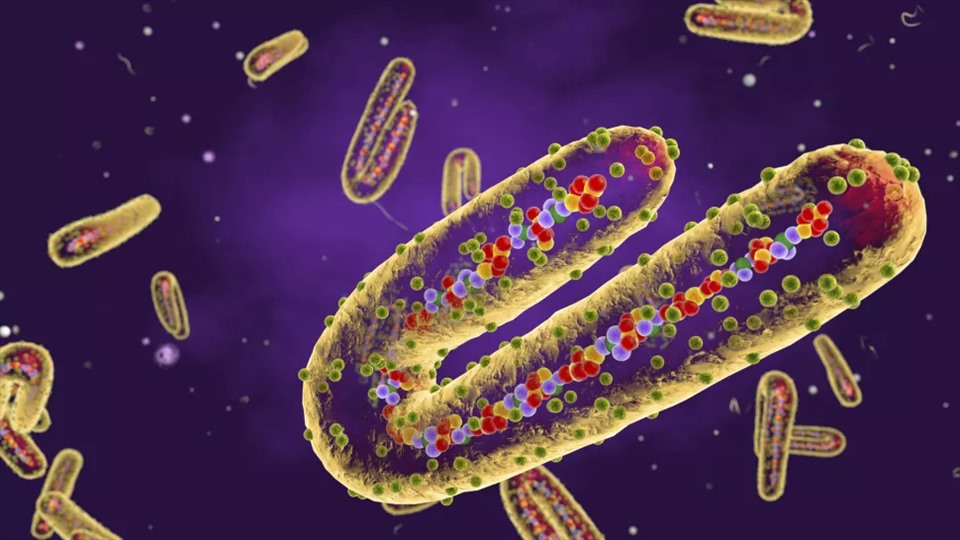
Theo Tổ chức Y tế Thế giới (WHO), virus Marburg được các nhà khoa học xác định lần đầu tiên vào năm 1967, khi các vụ dịch nhỏ xảy ra giữa các nhân viên phòng thí nghiệm ở Đức. Họ nhiễm virus sau khi tiếp xúc với những con khỉ đến từ Uganda.
Theo Mayo Clinic, các triệu chứng của virus Marburg tương tự Ebola ở chỗ cả hai đều có thể gây sốt xuất huyết. Những người bị nhiễm sẽ sốt cao và chảy máu khắp cơ thể dẫn đến sốc, suy nội tạng và tử vong.
Tỉ lệ tử vong trong đợt bùng phát đầu tiên năm 1967 là 24%, nhưng tăng lên 83% trong đợt bùng phát 1998-2000 ở Congo và 100% trong đợt bùng phát năm 2017 ở Uganda, theo WHO.
2. Virus Ebola
Năm 1976, đợt bùng phát Ebola đầu tiên được biết đến ở người đã xảy ra đồng thời tại Sudan và Congo. Ebola lây lan khi qua đường máu hoặc các chất dịch cơ thể khác, hoặc mô của người hoặc động vật bị nhiễm bệnh.
Chuyên gia về virus Ebola, phó giáo sư vi sinh vật học Elke Muhlberger từ Đại học Boston (Mỹ) cho hay, các chủng khác nhau có mức độ nguy hiểm khác nhau.
Theo Essential Human Virology (2016), chủng virus Ebola Reston thậm chí không khiến người bệnh bị ốm, nhưng chủng Bundibugyo có tỉ lệ tử vong lên tới 50% trong khi chủng Sudan lên tới 71%.
3. Virus dại

Mặc dù vaccine phòng dại cho vật nuôi đã khiến căn bệnh này trở nên cực kỳ hiếm ở các nước phát triển, nhưng nó vẫn là một vấn đề nghiêm trọng ở Ấn Độ và một số khu vực của Châu Phi.
Chúng ta nhiễm virus dại sau khi bị động vật mắc bệnh dại cắn hoặc cào. Nó ảnh hưởng đến não và dây thần kinh.
Theo Dịch vụ Y tế Quốc gia Anh (NHS), một khi các triệu chứng bắt đầu xuất hiện, cái chết gần như luôn xảy ra sau đó.
Muhlberger cho biết, nếu không được điều trị, khả năng chết là 100%.
4. HIV
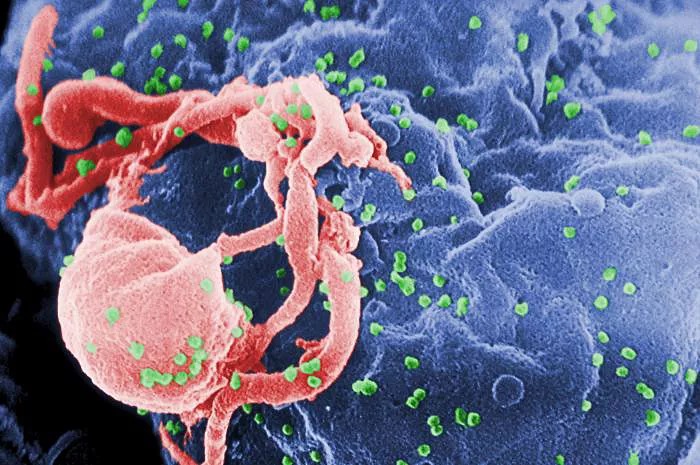
Ngày nay, virus nguy hiểm nhất dường như là HIV. Ước tính có khoảng 32 triệu người đã chết vì HIV kể từ khi nó được phát hiện lần đầu tiên vào đầu những năm 1980.
Các loại thuốc kháng virus mạnh mẽ đã giúp người nhiễm HIV kéo dài tuổi thọ, nhưng loại virus này vẫn đang tàn phá nhiều quốc gia có thu nhập thấp và trung bình - những nơi chiếm 95% số ca nhiễm HIV mới.
Cứ 25 người trưởng thành ở Châu Phi thì gần 1 người dương tính với HIV, theo WHO. Năm 2020, có 680.000 ca tử vong liên quan đến HIV trên toàn thế giới.
5. Virus đậu mùa
Năm 1980, Đại hội đồng Y tế Thế giới tuyên bố thế giới không còn bệnh đậu mùa. Trước đó, con người đã phải chiến đấu với căn bệnh này trong hàng nghìn năm. Theo BBC, đậu mùa đã giết chết khoảng 1/3 tổng số người bị nhiễm bệnh. Nó để lại cho những người sống sót vết sẹo sâu và vĩnh viễn, đôi khi còn là mù lòa.
Ở những cộng đồng bên ngoài Châu Âu - nơi mọi người ít tiếp xúc với virus trước khi du khách mang nó đến khu vực của họ - tỉ lệ tử vong cao hơn nhiều. Các nhà sử học ước tính, bệnh đậu mùa đã giết chết 90% dân số bản địa của Châu Mỹ. Chỉ trong thế kỷ 20, căn bệnh giết chết 300 triệu người.
6. Virus Hanta
Hội chứng phổi của virus Hanta (HPS) lần đầu tiên được chú ý rộng rãi ở Mỹ vào năm 1993, theo Trung tâm Kiểm soát và Phòng ngừa Dịch bệnh (CDC). Hơn 600 người ở Mỹ đã mắc HPS và 36% chết vì căn bệnh này.
Virus Hanta không truyền từ người sang người. Con người nhiễm virus khi tiếp xúc với phân của những con vật bị nhiễm virus.
Trước đây, một chủng virus Hanta khác đã gây ra một đợt bùng phát vào đầu những năm 1950, trong Chiến tranh Triều Tiên, theo một bài báo năm 2010 trên tạp chí Clinical Microbiology Reviews. Hơn 3.000 binh sĩ của Liên Hợp Quốc bị nhiễm bệnh và khoảng 12% trong số họ đã chết.
7. Virus cúm
Theo WHO, trong mùa cúm điển hình, có tới 650.000 người chết trên toàn thế giới. Nhưng đôi khi, khi một chủng cúm mới xuất hiện, nó gây ra một đại dịch với tốc độ lây lan nhanh hơn và tỉ lệ tử vong cao hơn.
Theo CDC, đại dịch cúm gây chết người nhiều nhất bắt đầu từ năm 1918. Trong đó, 40% dân số thế giới bị mắc bệnh và khoảng 50 triệu người chết.
8. Virus sốt xuất huyết
Virus sốt xuất huyết xuất hiện lần đầu tiên vào những năm 1950 ở Philippines và Thái Lan. Kể từ đó, nó lây lan khắp các vùng nhiệt đới và cận nhiệt đới trên toàn cầu, theo Clinical Microbiology Reviews.
Theo tạp chí Nature, hiện có tới 40% dân số thế giới đang sống ở những khu vực lưu hành bệnh sốt xuất huyết. Căn bệnh này có khả năng sẽ lan rộng hơn khi Trái đất ấm lên.
WHO cho biết, khoảng 100-400 triệu người mắc sốt xuất huyết mỗi năm với tỉ lệ tử vong thấp hơn một số loại virus khác. Virus sốt xuất huyết có thể gây ra một bệnh giống Ebola được gọi là sốt xuất huyết Dengue, có tỉ lệ tử vong là 20% nếu không được điều trị.
9. Virus rota
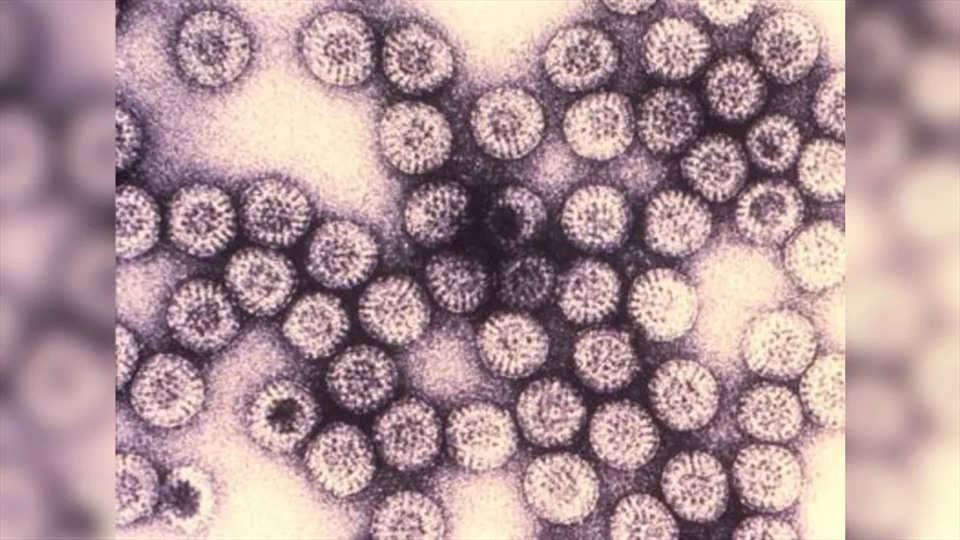
Virus rota là nguyên nhân hàng đầu gây ra bệnh tiêu chảy nghiêm trọng ở trẻ sơ sinh và trẻ nhỏ. WHO ước tính, trên toàn thế giới, có hơn 25 triệu lượt bệnh nhân ngoại trú và 2 triệu trường hợp nhập viện mỗi năm do nhiễm virus rota.
10. Virus SARS-CoV
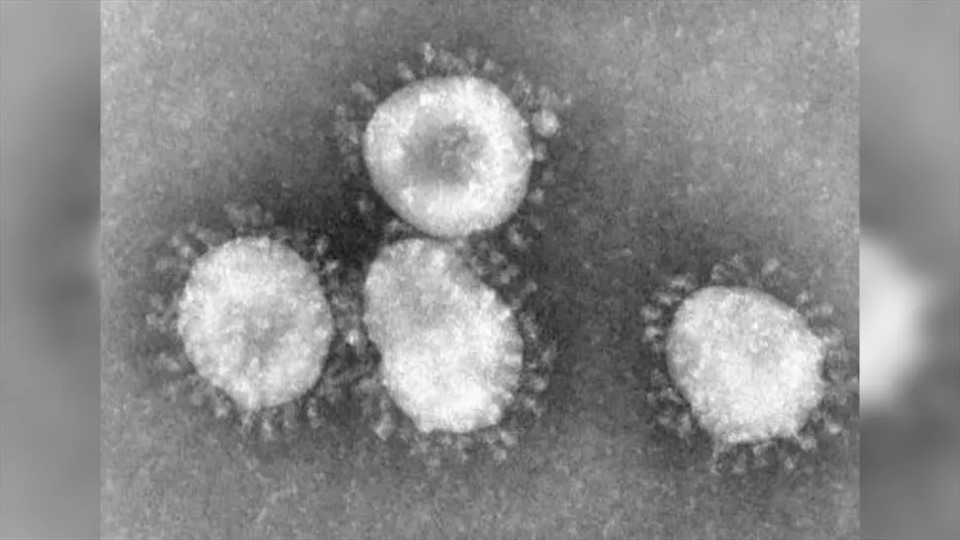
Theo WHO, SARS-CoV được xác định lần đầu tiên vào năm 2003 trong một đợt bùng phát dịch bệnh ở Trung Quốc. SARS sau đó đã lây lan sang 26 quốc gia trên thế giới, lây nhiễm cho hơn 8.000 người và giết chết hơn 770 người trong vài tháng, theo History.com.
Theo CDC, SARS gây sốt, ớn lạnh, đau nhức cơ thể và thường tiến triển thành viêm phổi - một tình trạng nặng khiến phổi bị viêm và chứa đầy mủ. Loại virus này có tỉ lệ tử vong ước tính là 9,6%.
11. Virus SARS-CoV-2

SARS-CoV-2 được xác định lần đầu tiên vào tháng 12.2019 tại thành phố Vũ Hán, Trung Quốc. Virus có thể có nguồn gốc từ dơi và truyền qua động vật trung gian trước khi lây nhiễm sang người.
Reuters đưa tin, kể từ khi xuất hiện, loại virus này đã gây ra hơn 5 triệu ca tử vong trên toàn thế giới.
Theo WHO, SARS-CoV-2 gây bệnh COVID-19. Các triệu chứng bao gồm sốt, ho, mất vị giác, mất khứu giác, khó thở, đau ngực và mất khả năng vận động.
12. MERS-CoV
MERS bùng phát ở Saudi Arabia vào năm 2012 và ở Hàn Quốc vào năm 2015. WHO thông tin, virus này đã lây lan ở lạc đà trước khi lây sang người và có thể gây sốt, ho và khó thở.
Bệnh thường tiến triển thành viêm phổi nặng và có tỉ lệ tử vong ước tính khoảng 35%. Theo NHS, không có vaccine nào để ngăn ngừa loại virus này. Cách tốt nhất để giảm nguy cơ lây nhiễm là rửa tay thường xuyên, tránh tiếp xúc với lạc đà và không tiêu thụ các sản phẩm có chứa sữa động vật tươi sống.


