Tại sao người Ai Cập ướp xác người chết?
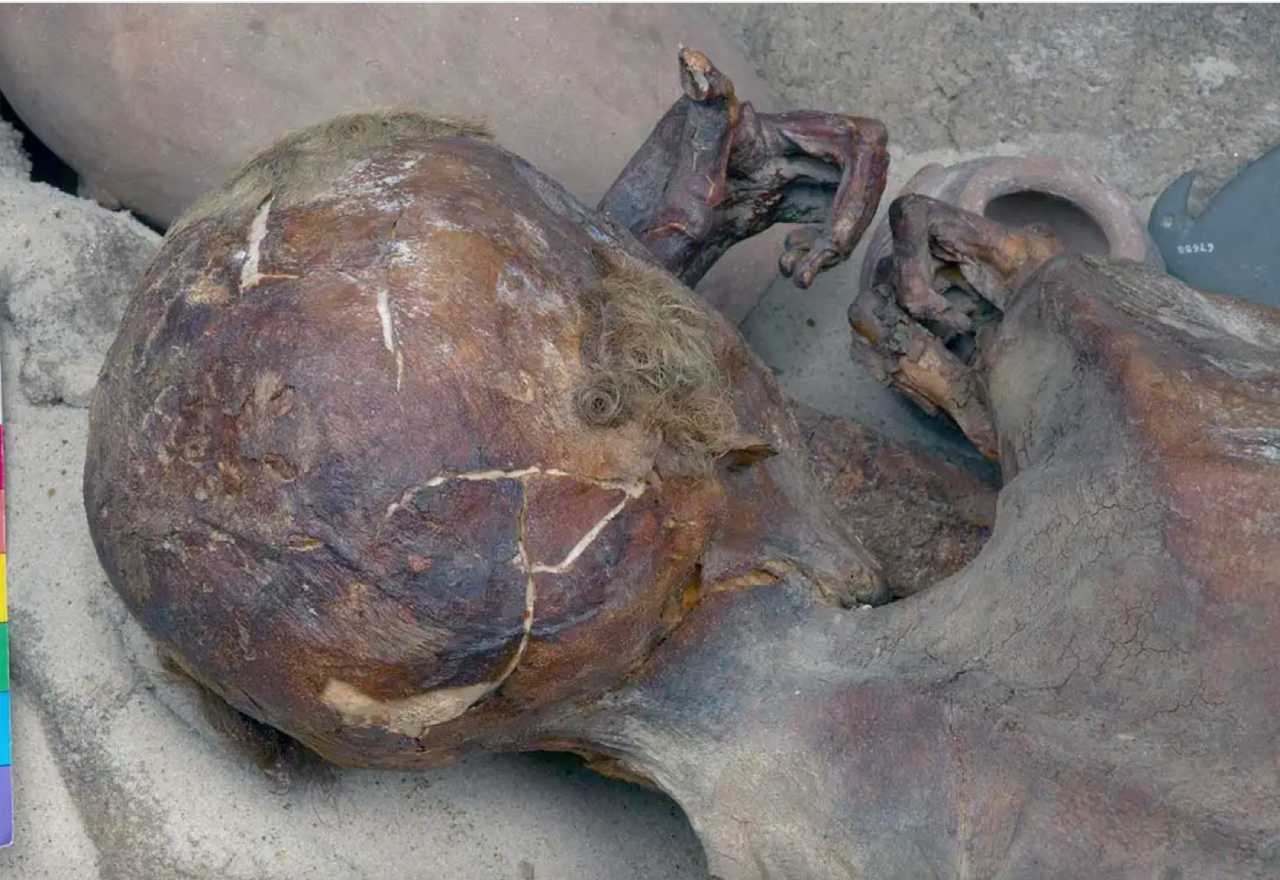
Người Ai Cập cổ đại tin rằng mỗi người đều có một linh hồn. Kể cả khi chết đi, một phần linh hồn của con người sẽ mãi mãi gắn liền với thể xác. Do đó, việc bảo quản thi thể với mục đích giữ lại phần hồn là vô cùng quan trọng với người Ai Cập.
Tuy nhiên, câu trả lời vì sao người Ai Cập ướp xác có thể nằm ở một trong những huyền thoại lâu đời nhất của Ai Cập cổ đại. Thần Osiris, một pharaoh khởi thủy, là một trong những vị thần quan trọng nhất trong đền thờ Ai Cập cổ đại.
Ông bị người em trai, Set, ghen tuông, sát hại và chiếm ngai vàng. Các mảnh thi thể của ông bị rải khắp Ai Cập. Vợ của Osiris, Isis, đã tìm cách khôi phục thân xác chồng, sử dụng phép thuật của mình và hồi sinh Osiris đủ lâu để thụ thai con trai của họ, Horus.
Vì vậy, Osiris trở thành biểu tượng của sự sống và sự tái sinh, đồng thời là biểu tượng của vị vua đã khuất. Cơ thể quấn băng màu trắng, làn da màu xanh lá cây hoặc đen tượng trưng cho khả năng sinh sản và tái sinh, cùng trang phục hoàng gia đánh dấu ông là người đầu tiên chết, người đầu tiên được tái sinh.
Ai được ướp xác?
Không phải tất cả người Ai Cập cổ đại đều được ướp xác vì đây là một quá trình tốn kém, tốn thời gian và không phải ai cũng có đủ khả năng chi trả cho toàn bộ quy trình. Có nhiều lựa chọn ướp xác khác nhau và kỹ năng khác nhau của người ướp xác, cũng như các yếu tố như khí hậu, có nghĩa là kết quả không phải lúc nào cũng tốt.
Tất nhiên, những vật liệu tốt nhất và sự quan tâm đặc biệt thuộc về hoàng gia và giới thượng lưu, nhưng những tầng lớp thấp nhất trong xã hội thường thực hiện những cách chôn cất đơn giản nhất, và nhiều người hoàn toàn không được ướp xác.
Những người được ướp xác có thể yên tâm rằng hài cốt trần thế của họ sẽ được biến đổi, theo truyền thống của Osiris, và được tái sinh toàn bộ ở thế giới bên kia.
Quá trình ướp xác
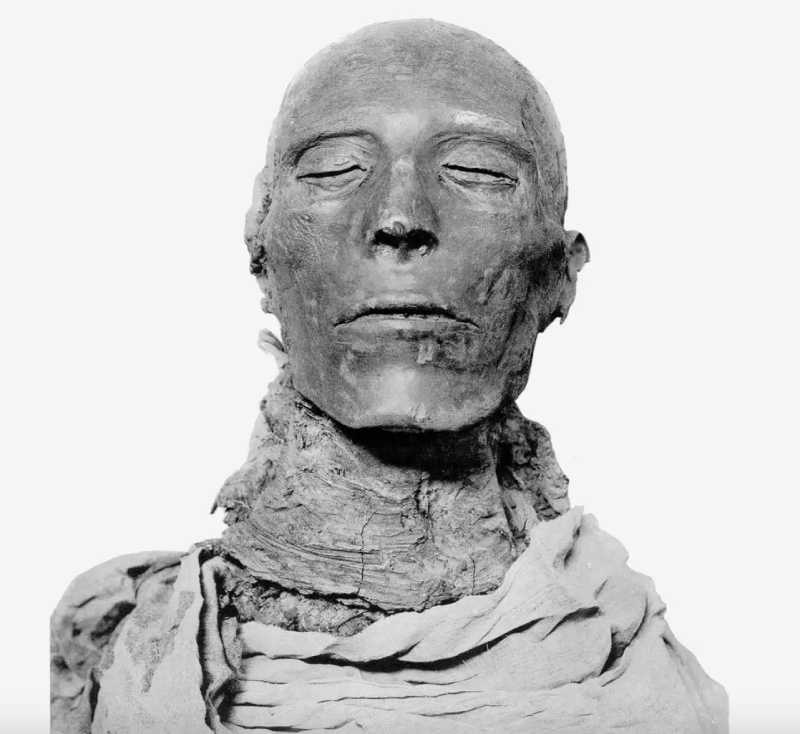
Theo trang The Collector, ướp xác là một quá trình kéo dài và công phu, nghệ thuật ướp xác đòi hỏi kỹ năng thuần thục.
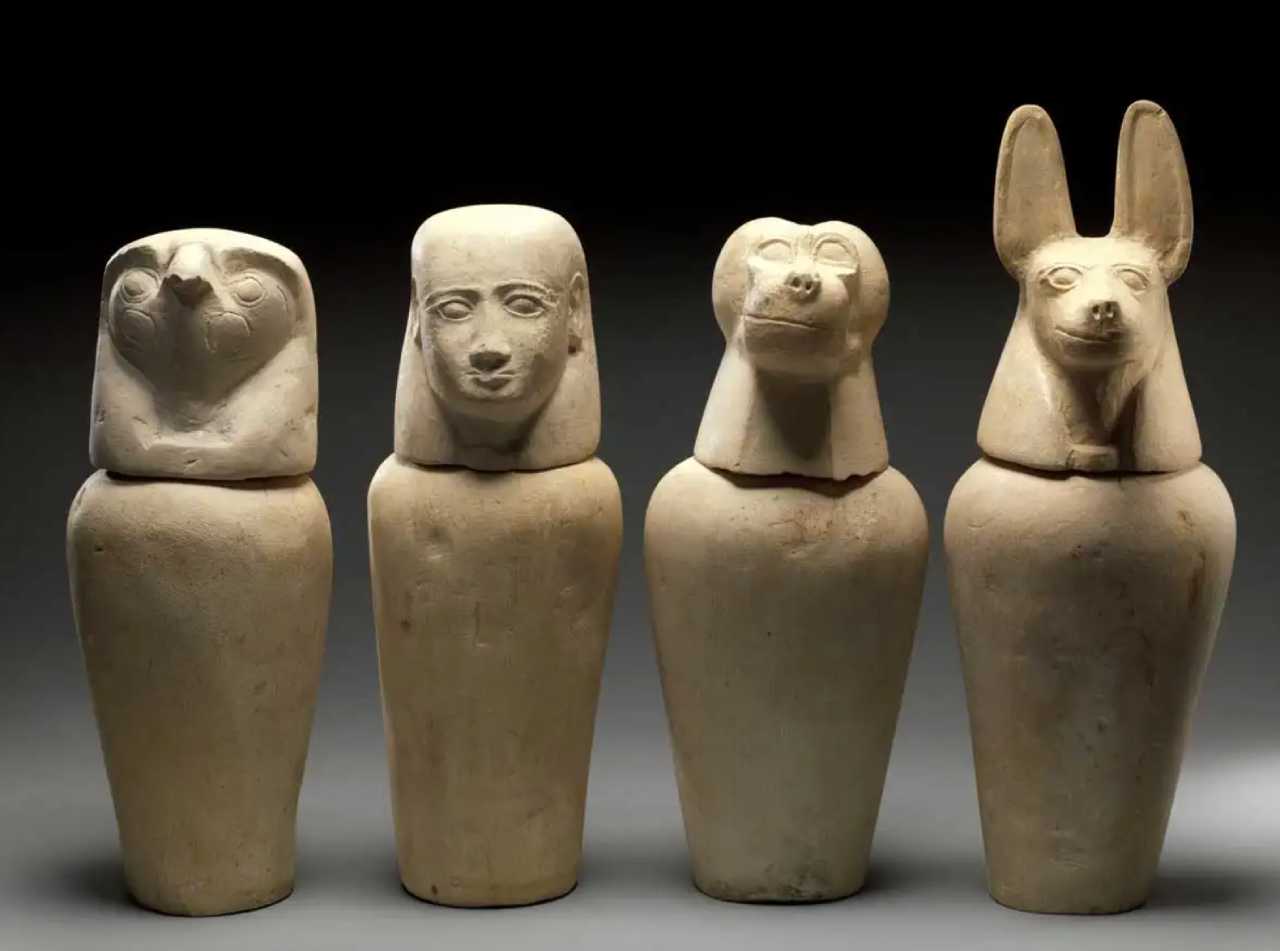
Quá trình ướp xác thường kéo dài khoảng 70 ngày, bắt đầu bằng việc lấy não và các cơ quan nội tạng khác như phổi, gan, dạ dày và ruột, nếu để lại sẽ đẩy nhanh quá trình phân hủy.
Chúng được đặt vào các bình riêng biệt, được gọi là bình canopic. Trái tim thường được để lại vì nó được cho là nơi chứa đựng ký ức, cảm xúc của một người và ghi lại những hành động của họ trong cuộc sống.
Thi thể sau đó được làm sạch, ướp bằng rượu cọ, hương liệu, cùng natron (một loại muối tự nhiên) trong thời gian cần thiết để tăng tốc quá trình khử nước.
Tiếp theo, thi thể được rửa sạch và quấn trong các dải vải lanh, thường có bùa chú đặt giữa các lớp, sau đó cố định bằng nhựa resin, giúp bảo tồn hình dạng và tính toàn vẹn của thi thể, đồng thời ức chế sự phát triển của vi khuẩn.
Một phương pháp rẻ hơn và đơn giản hơn để làm rỗng các khoang cơ thể là dùng thuốc xổ dầu tuyết tùng để loại bỏ nội tạng, rồi ướp muối natron. Sau đó, thi thể có thể được bọc lại hoặc trả lại cho gia đình như nguyên trạng.
Theo thời gian, một số chi tiết dường như đã thay đổi. Ví dụ, đôi khi, trái tim bị cắt bỏ, não vẫn còn trong hộp sọ hoặc các cơ quan nội tạng được xử lý, bọc và để lại trong cơ thể. Tuy nhiên, các thực hành cơ bản dường như vẫn không thay đổi nhiều.
Những công cụ và vật liệu sử dụng để ướp xác
Muối natron chủ yếu có nguồn gốc từ Wadi Natrun, phía tây bắc Cairo. Các loại hương liệu có dược tính và dầu bao gồm dầu thông, tuyết tùng, quế và thì là. Vết rạch chính để lấy nội tạng là ở bên hông, được cắt bằng đá sắc. Ngoài ra còn có các công cụ bằng đồng như dao, kẹp...
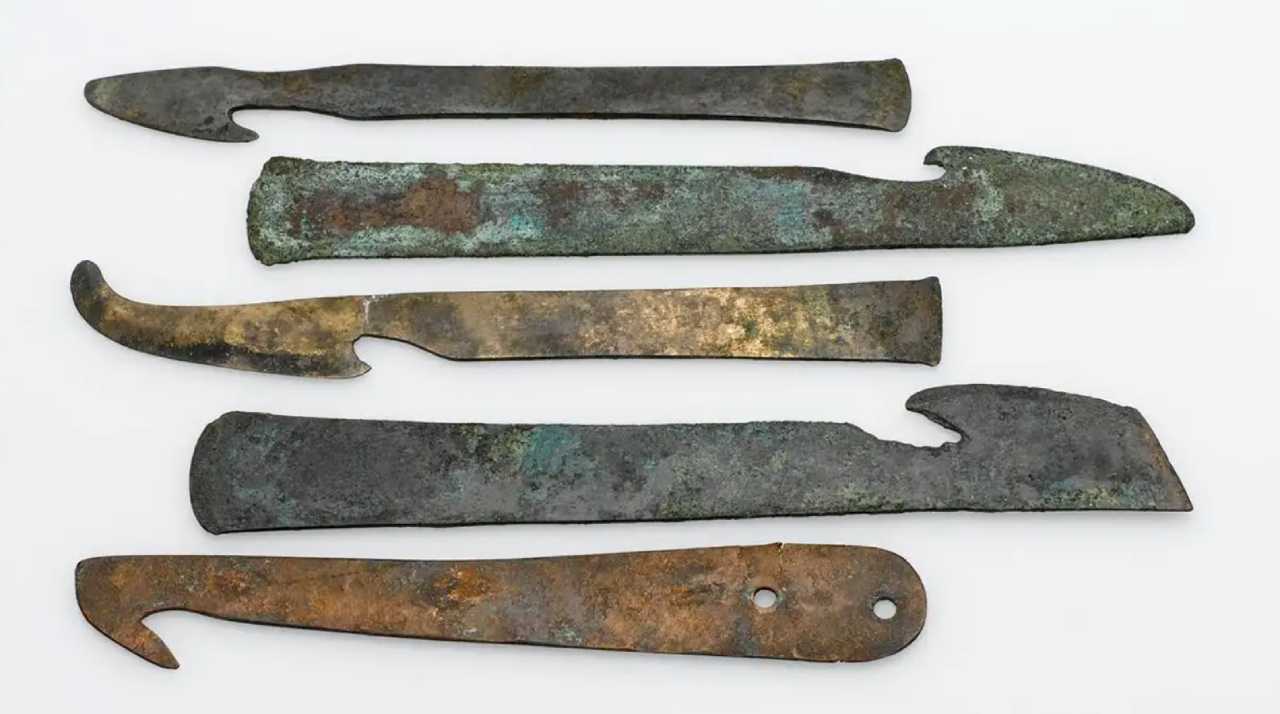
Trước khi rạch để lấy nội tạng, người ta dùng một chiếc xiên dài bằng kim loại, sậy hoặc gỗ, đóng vào hộp sọ từ lỗ mũi và khuấy cho đến khi tủy não chảy dọc theo mũi ra ngoài.
Những gói muối natron bọc vải lanh nhỏ hơn giúp cố định hình dáng thi thể và khử nước. Quá trình này được thực hiện trong một xưởng ướp xác.
Khi quá trình hoàn tất, những vật liệu còn sót lại được đem đi chôn.