
Houses in alleys "transform" into frontage houses
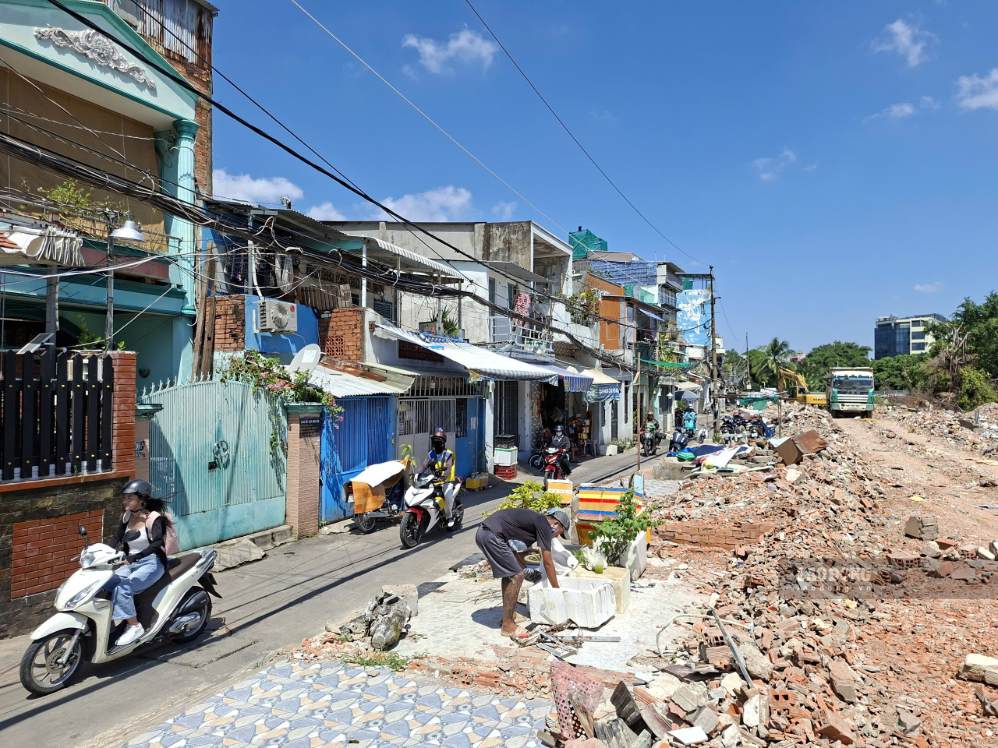
In the last days of July, the atmosphere at the Xuyen Tam canal renovation site became bustling with a series of machinery and construction equipment operating continuously.
Along both sides of the canal, rows of encroaching houses that once covered the canal have been dismantled to make way for the urban embellishment project.
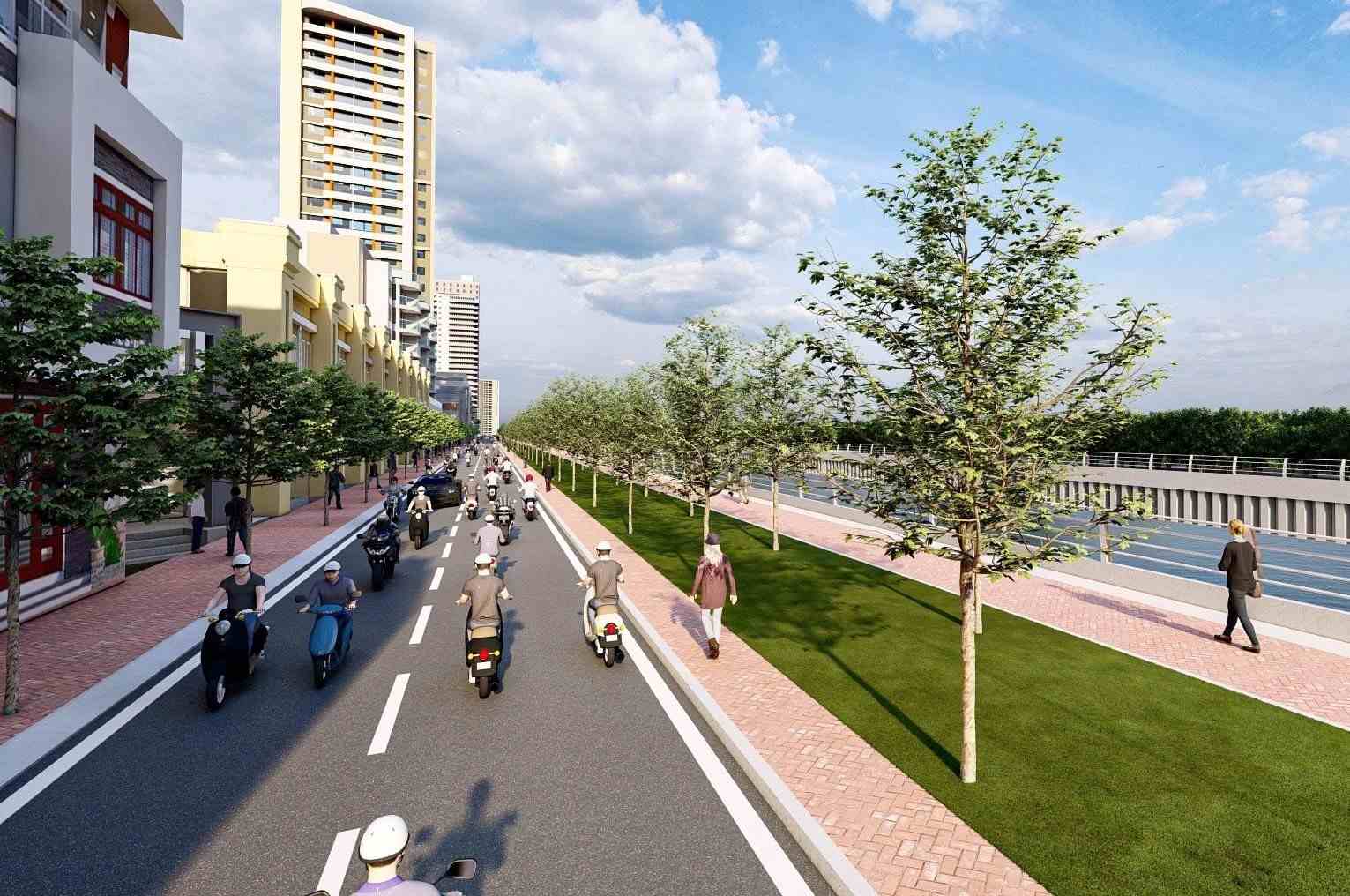
Xuyen Tam canal will be dredged about 3.5m deep, the canal bed is 20-30m wide.
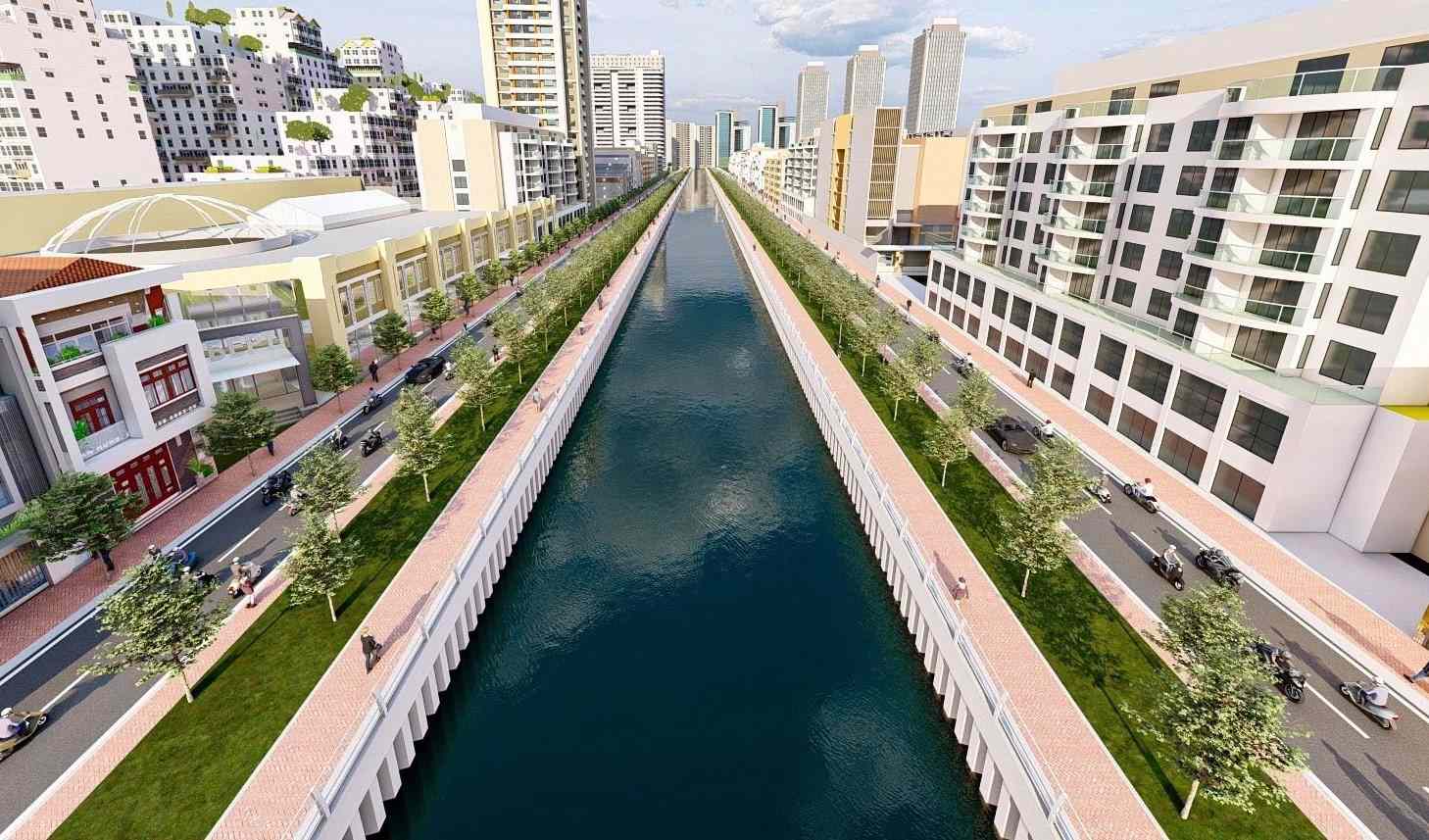
Notably, the two banks will form a 6m wide road on each side with two lanes and a 3 - 4m wide sidewalk.
This change not only helps the canal revive but also creates a turning point for thousands of households living inside the alleys.
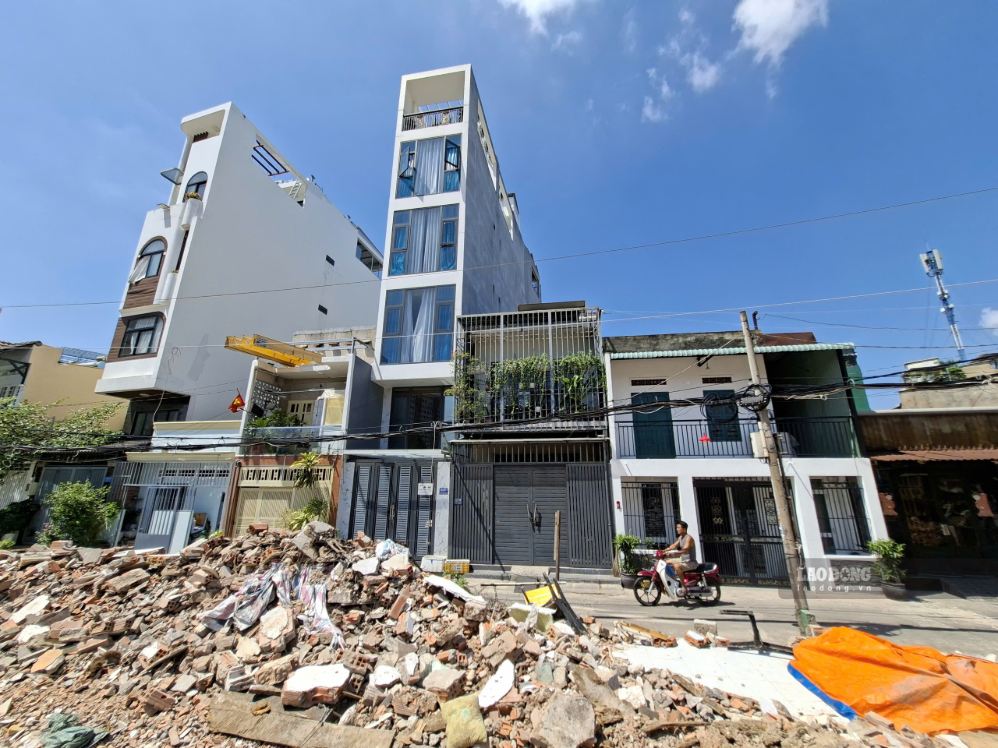
When the row of houses along the canal was cleared, the houses that were once hidden deep behind many layers of houses suddenly became front houses facing the new road.
Many families have taken advantage of repairing their houses to stabilize their lives, preparing to welcome business opportunities when the canal road is completed.
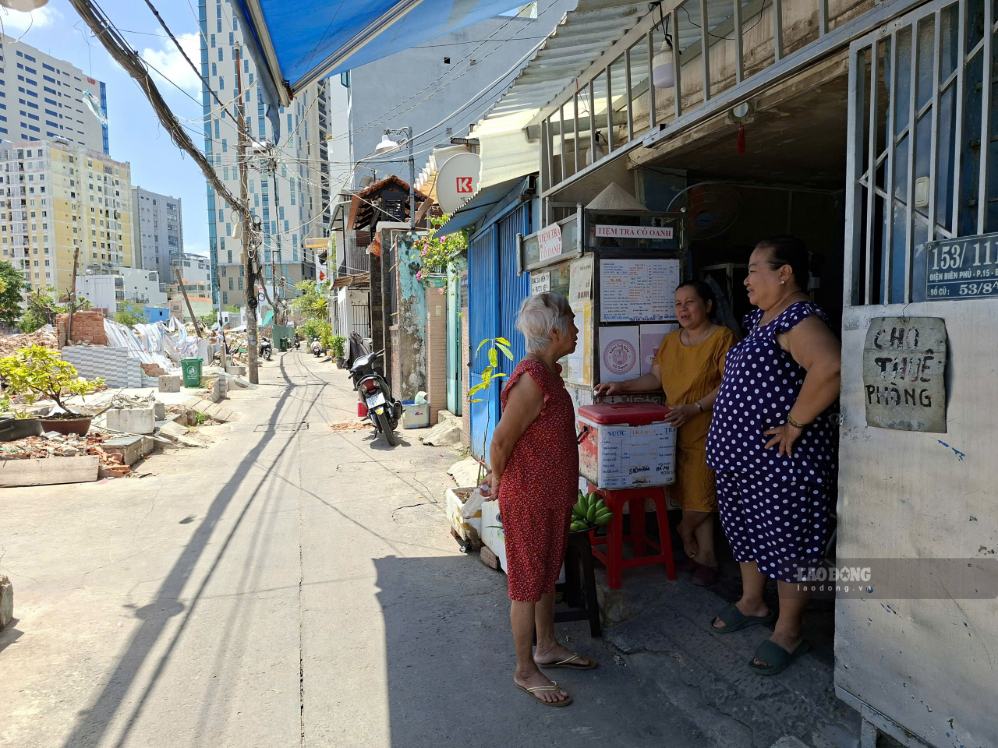
Sitting in front of a house in alley 153 Dien Bien Phu (Gia Dinh ward) on the morning of July 21, Ms. Van Thi Kim Loan (61 years old) and a few neighbors were chatting and watching the construction site.
For many years, her house, about 4m wide and more than 25m long, has been located in a small, narrow alley. Now, after the row of houses next to the canal in front was cleared, the house suddenly became a front house with a wide open space.
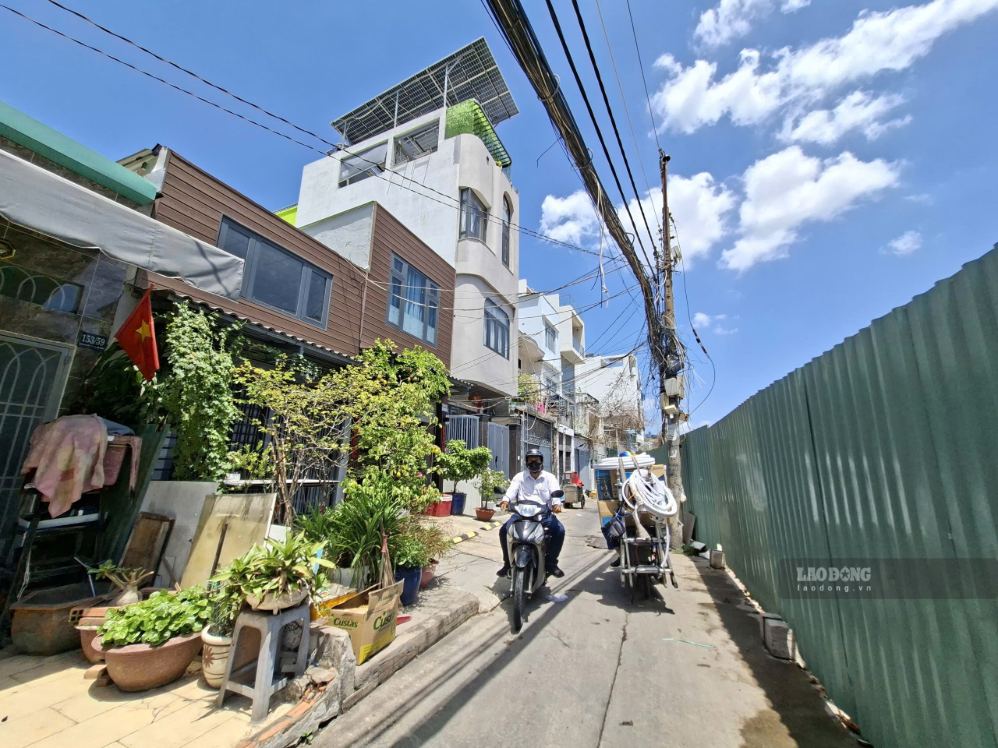
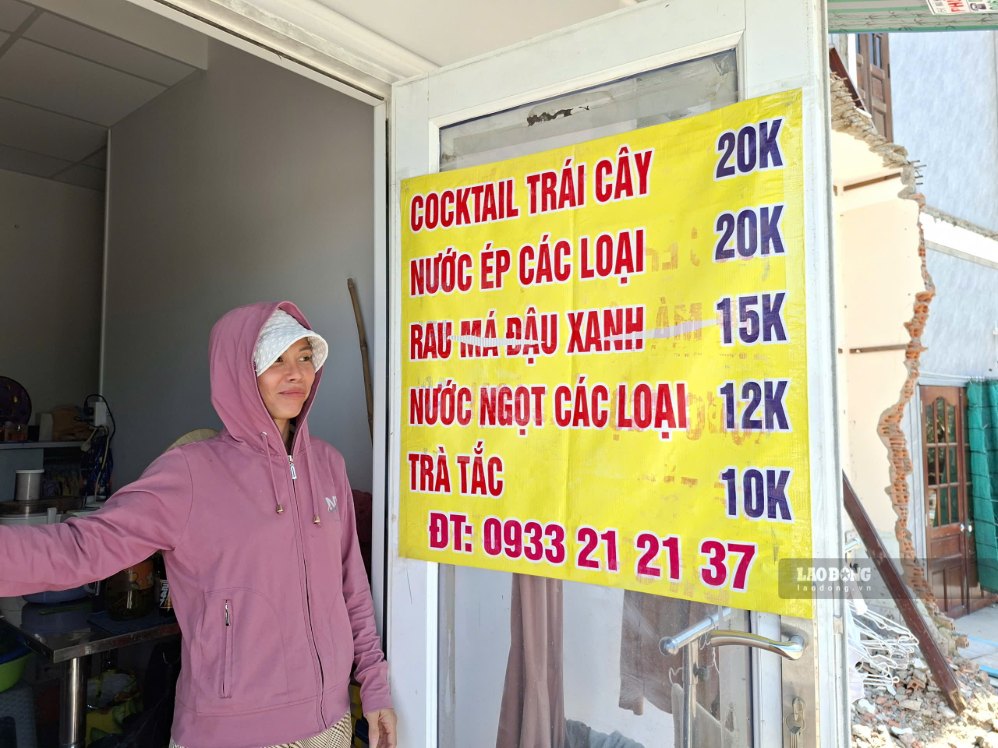
Currently, Ms. Loan is opening a small water stall serving people and students in the area. She hopes that when the canal road is completed, the number of people passing by will be larger, and business will also be more convenient than before.
The thing I am happiest about is that after this, just taking a few steps, I can go to the canal bank to walk and exercise. The area will be clean and airy, and there will be no more pollution like before" - Ms. Loan shared.
According to her, the project not only helps change the living environment but also increases the value of the house significantly, opening up economic development opportunities for many households along the canal route.
More lucky than winning the lottery
On the other side of the canal, Ms. Nguyen Thi Kieu Nhung (45 years old, address 146/14/29 Vu Tung street, Gia Dinh ward) said that her family's house was recovered about 56m2 and received nearly 1.7 billion VND in compensation. Although the support was not completely as desired, the family still agreed because they believed that long-term benefits were much greater.
After the clearance, the house built in 1999, although a part of its area has been reduced, has become a front house. "The house is now no different from winning the lottery. Sometimes winning 8 - 9 billion VND is not guaranteed to buy a front house along the canal as spacious as this" - Ms. Nhung said.
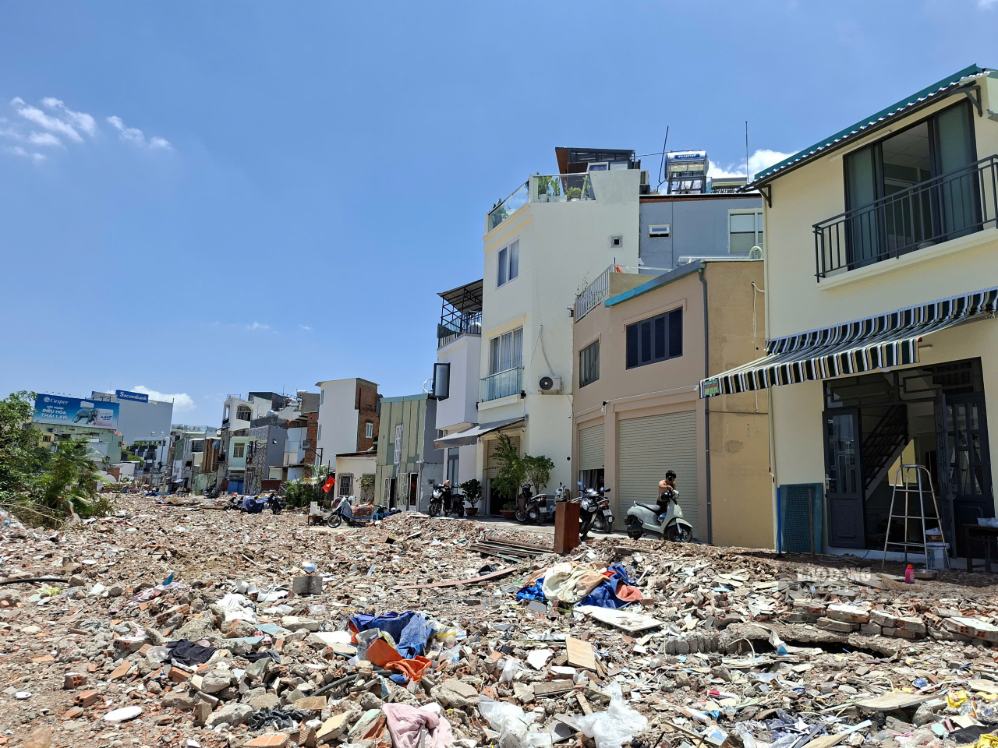
Currently, the house is about 16m long, the front is 4.1m wide and the rear is 4.3m wide. In the future, the front of the house will be a sidewalk about 4m wide, followed by a road 6m wide and then to the canal bank.
Ms. Nhung's family has only temporarily repaired it to have a place to live and sell water. When the project was completed and the roadbed was raised, she planned to rebuild the entire house to both live and do business.
The road along the canal will later be like Hoang Sa or Truong Sa roads. Having a frontage house for trading will be much more convenient than having to rent premises" - Ms. Nhung hoped.
Xuyen Tam canal is nearly 9km long, connecting from Nhieu Loc - Thi Nghe canal to Vam Thuat river, passing through An Nhon, Gia Dinh, Binh Thanh and Binh Loi Trung wards. In which, the main route is 6.7km long, and three auxiliary branches are about 2.2km long.
The canal renovation project has a total investment of more than 17,000 billion VND, of which compensation, support and resettlement costs account for about 14,000 billion VND.
To implement the project, the city has recovered land from 2,190 cases, including 1,293 cases of full clearance and 897 cases of partial clearance.
The project is expected to be completed by the end of 2027 or early 2028.


