
The UEFA Champions League final is promoted as a confrontation between Paris Saint-Germain's strongest attack in Europe and Arsenal's most solid defense. It is a showdown between an almost unstoppable attacking power and a tightly organized defense system that is difficult to penetrate.
PSG may close the season with the highest number of goals in Champions League history, while Arsenal only concedes an average of 0.43 goals per game in this arena. These statistics create a familiar scenario: PSG puts pressure and attacks continuously, while Arsenal patiently defends, taking advantage of set pieces and fast counter-attacks to look for opportunities.
However, the match at Puskas Arena could take place according to a completely different scenario. Both Luis Enrique and Mikel Arteta are coaches who value flexibility and the ability to create surprises. In the semi-final match against Bayern Munich, PSG played head-to-head with extremely high intensity in the first leg before switching to a more pragmatic playing style in the second leg. Supported by Ousmane Dembele's early goal, the French team proactively controlled the space, slowed down the pace of the match and agreed to give the ball control to the opponent.
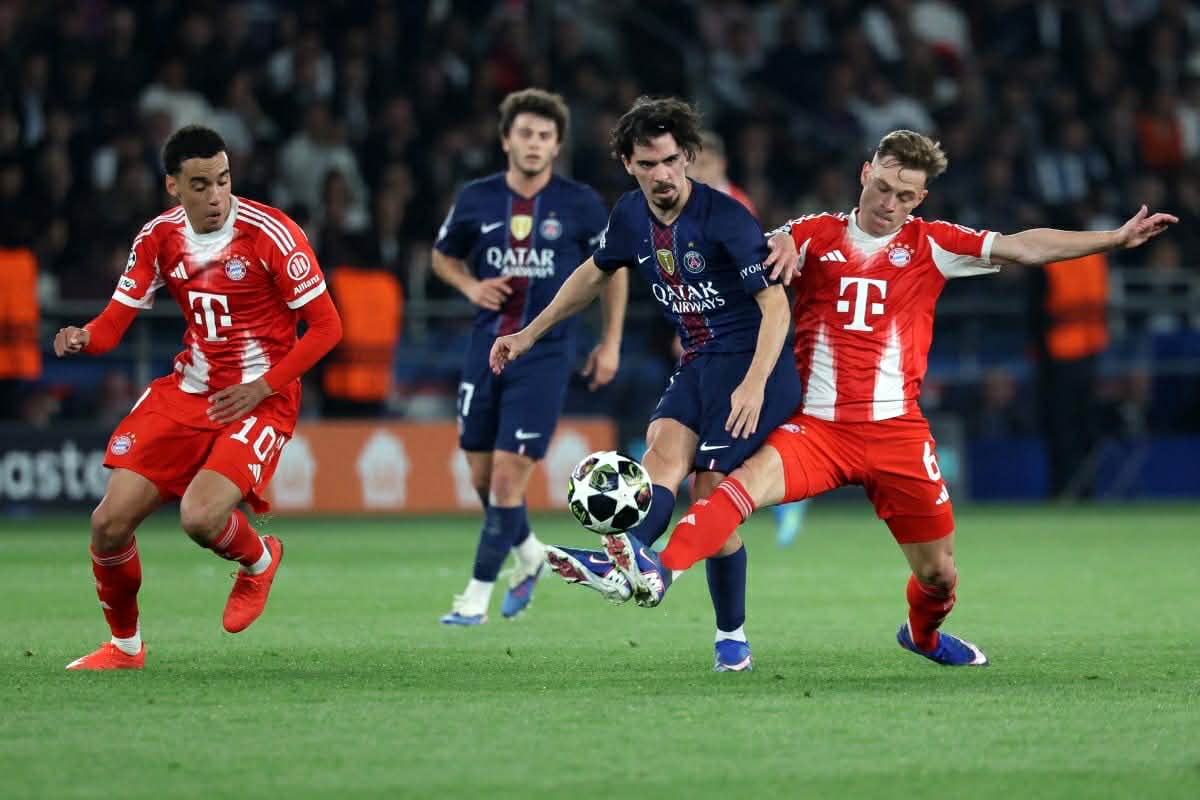
In the second half of the second leg, PSG only held the ball at 27%, but they were completely comfortable with that approach. This is a very different image compared to a PSG often known for its ability to control the game and impose the playing style.
Arsenal also underwent a similar process of change under Arteta. If in previous seasons the London team pursued a ball controlling style of play, constantly rotating and exploiting spaces through technical combinations, this season they are much more pragmatic.
Arsenal is currently less dependent on overwhelming the opponent with ball possession time. Instead, they focus on the ability to punish mistakes, take advantage of individual moments of brilliance and maximize set pieces.
However, that does not mean Arteta has completely abandoned his old identity. In some big matches, especially against Manchester City, Arsenal once showed the ability to return to a proactive and controlled playing style. The recovery of form of Martin Odegaard and Bukayo Saka also opens up opportunities for Arteta to reuse the pieces that helped Arsenal sublimate last season.
One of the most discussed topics before the final is Arsenal's midfield arrangement. It is possible that Arteta will use Martin Odegaard, Eberechi Eze and Myles Lewis-Skelly alongside Declan Rice at the same time. If that happens, Martin Zubimendi may have to sacrifice his starting position.
Lewis-Skelly is a special case. From a promising left-back, the 19-year-old player was unexpectedly pulled into the center of midfield in the late season and quickly made his mark thanks to his abundant energy and confident ball handling ability.
While Arsenal has many options to choose from, PSG brings a more stable feeling in terms of personnel. If Achraf Hakimi is fit enough, Luis Enrique's starting lineup is almost determined.
That does not mean PSG lacks tactical flexibility. Conversely, the reigning European champion has repeatedly proven that they can change their approach to the match depending on each opponent and specific circumstances.
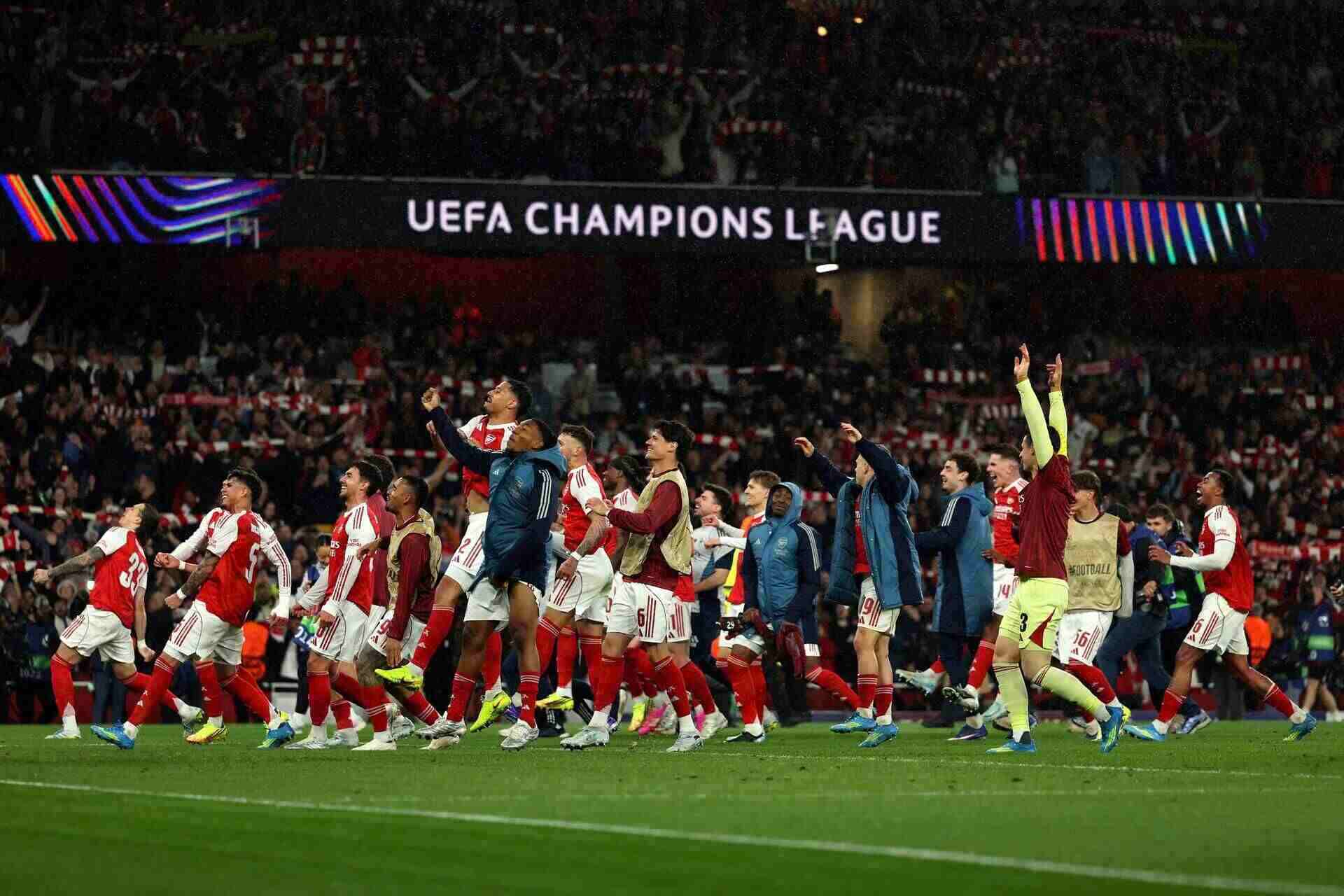
Arteta also has many options in other important positions. On the left flank of the defense, he must balance Piero Hincapie's physical strength and Riccardo Calafiori's ball deployment ability. In attack, Viktor Gyokeres brings directness, speed and scoring ability, while Kai Havertz stands out for his ability to link play and experience in big matches.
Arsenal understand that the opportunity does not appear forever. This is considered the most suitable time for the London team to realize their ambition to conquer Europe.
On the other side of the battle line, PSG is also facing a historic opportunity. After the first Champions League title last season, Luis Enrique's team will aim to successfully defend the throne.
The match between PSG and Arsenal takes place at 11:00 PM on May 30 (Vietnam time).


