
Arsenal are still at the top of the Premier League and Champions League rankings, but behind that sublimation is an increasingly alarming problem with an injury crisis.
Overall, Arsenal's season has been very positive. They have won 17/22 matches, drawn 3 and lost only 2. The loss to Aston Villa ended an 18-match unbeaten streak. The general mood at the Emirates Stadium has changed very quickly when the familiar "ghost" is injuries starting to return.
Over the past 18 months, Arsenal have suffered 93 injuries, making them one of the most severely affected teams in England. This season alone, among Premier League clubs, only Leeds have suffered more injuries than Arsenal, with 26 cases. Currently, their absentee list includes four key names, including three centre-backs: William Saliba, Gabriel Magalhaes, Cristhian Mosquera and striker Kai Havertz.
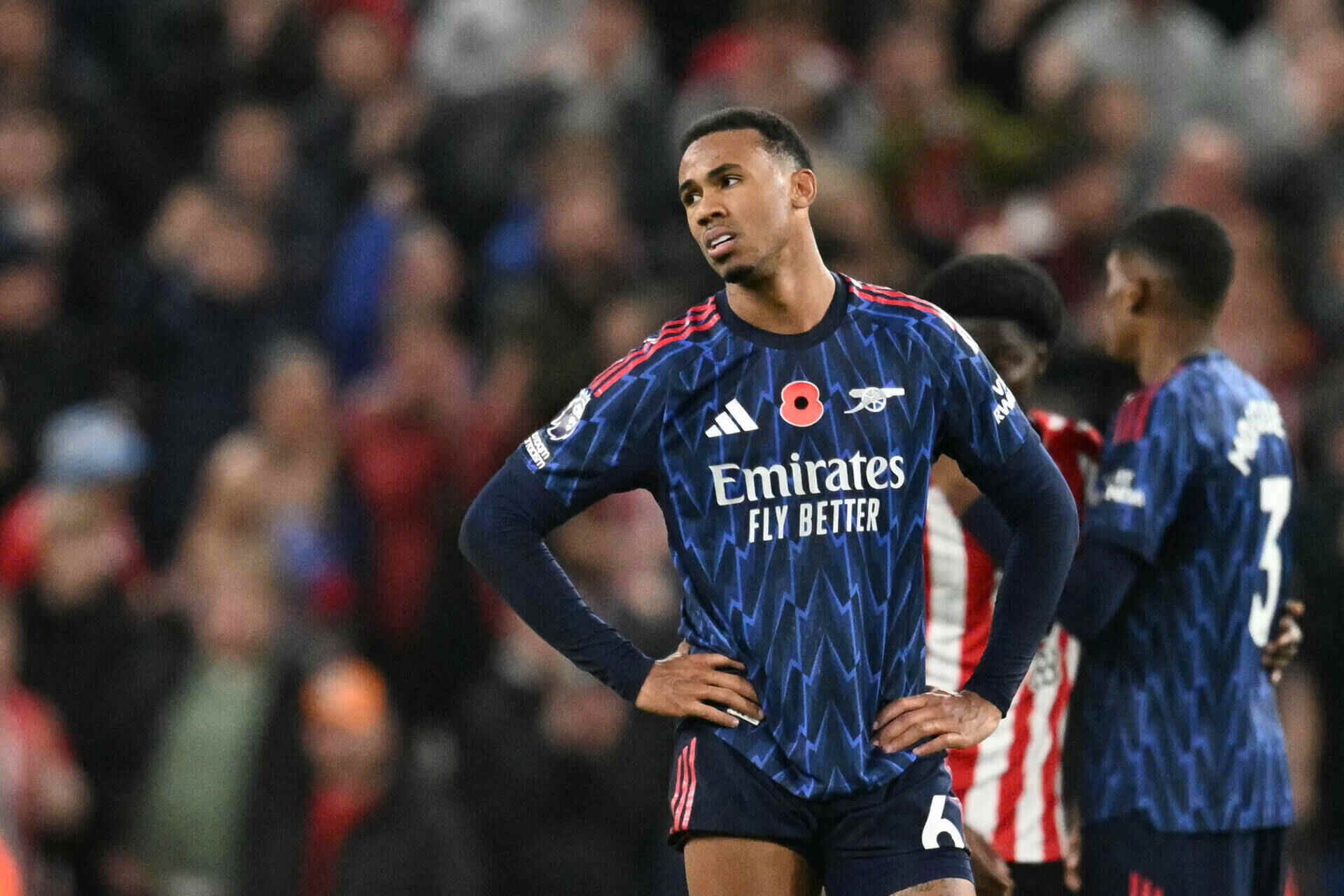
Not only that, a series of other pillars such as Martin Odegaard, Bukayo Saka, Gabriel Martinelli, Leandro Trossard and Viktor Gyokeres have all had to miss the season due to injury. A total of 14 Arsenal players have been injured in nearly 4 months, accounting for more than half of the squad.
This trend has really broken since last season. At that time, Arsenal was only behind Brighton in terms of injuries, with a total of 67 cases. Accumulated by 2 seasons, Arsenal and Brighton are rare teams in England to surpass the 9-in injury mark.
From the outside, fans can easily question the medical department, but injury prevention and sports weight management in modern football is an extremely complex field. Some say Mikel Arteta has pushed players too far, especially when the hamstring injury wave last season showed signs of overload. However, he has affirmed that most of those injuries are out of control and can also be cited as a lack of rotation.
It should be emphasized that Arsenal are not an isolated case. Hamstring injuries are on the rise across Europe as competition increases. The factor of luck also plays a big role, such as Odegaard or Mosquera's incorrect landing moves, which do not reflect the problem of a system.
The positive point is that Arsenal had better squad depth than last season, after spending more than £267 million to bring in 8 new players. However, the reality shows that thickness is being tested sooner than expected.
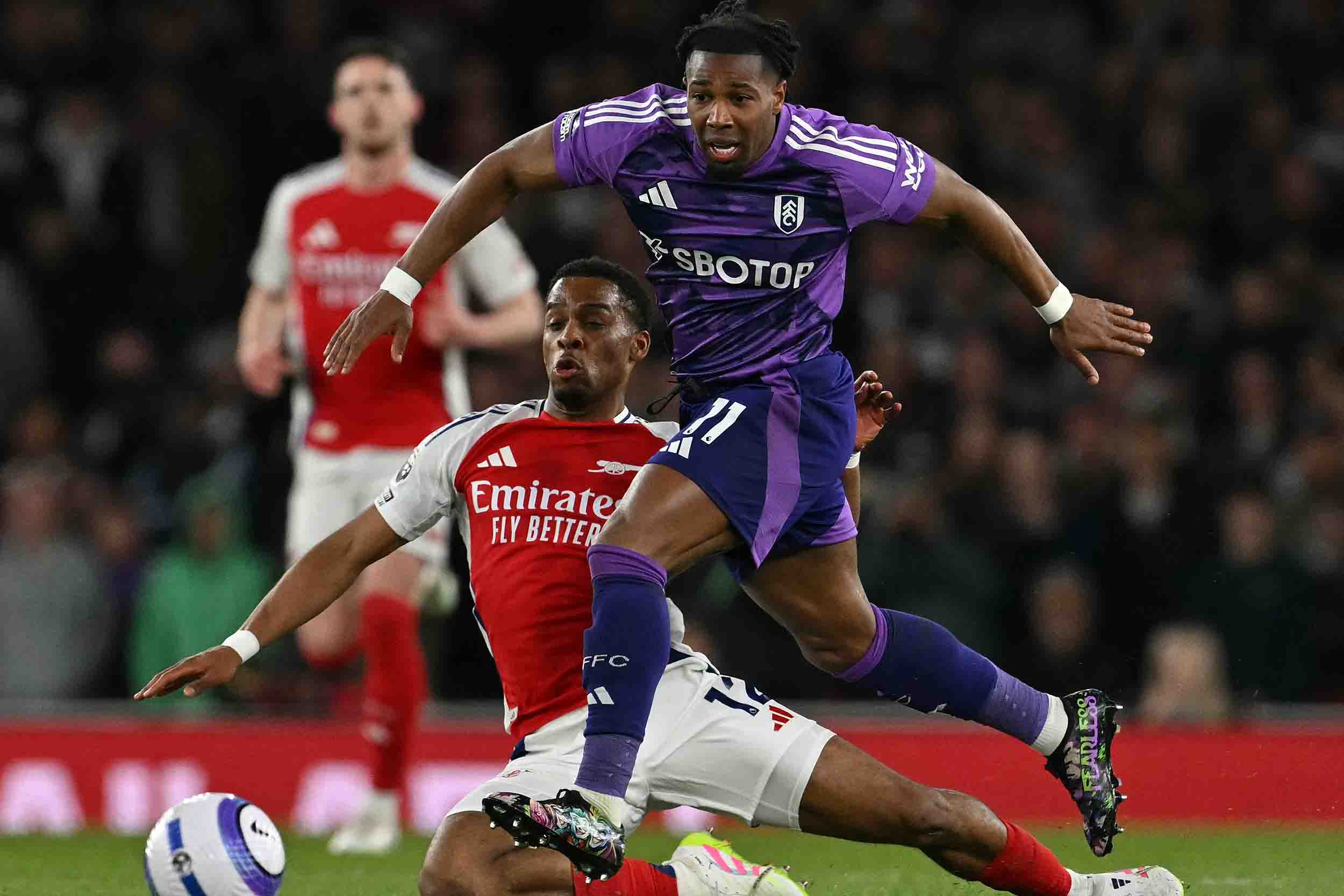
Not only the number, the way the injuries gather in clusters is what gives Arteta a headache. Last season, they fell into a crisis in attack when Havertz was injured in the context of Gabriel Jesus having retired before, which put pressure on people like Saka, Martinelli or Trossard to score. At right-back, injuries to Takehiro Tomiyasu and Ben White overwhelmed Jurrien Timber and eventually required ankle surgery.
This season, the same scenario is repeating. Havertz's early injury has left Gyokeres carrying more burden than expected, before the Swedish striker also had problems in recent weeks. Midfielder Mikel Merino was forced to play as a center forward like last season. Despite playing well, Merino still could not help but feel overloaded when he had to start 7 consecutive matches in a month, intermittently playing 2 times for the Spanish national team. Not many players can endure such a high frequency of competition, especially in a position that is not their forte.
The midfield is unstable, the defense is in even more crisis. The injuries to Gabriel, Saliba and Mosquera all over the years have left Arsenal unable to rotate, forcing Timber to play as a centre-back, while Hincapie is not at his best but still playing, increasing the risk of injury recurrence.
As a result, there is a rare fragility in defense. Since Gabriel was injured in the Brazil national team training camp, Arsenal have conceded in 4/5 recent matches, while they have previously conceded only 4 goals in 17 matches. The match against Aston Villa clearly showed the instability when Timber and Hincapie became the 6th different central defender pair Arsenal have used since the beginning of the season.
In the context of a tight schedule with consecutive matches against Spurs, Bayern Munich, Chelsea and Aston Villa, it is not surprising that Arsenal are out of steam.
Therefore, Arteta was forced to consider the option of "restarting". The upcoming rounds will be easier when only having to face Wolves, Everton or Brighton, alternating with 2 matches against Club Brugge in the Champions League and Crystal Palace in the League Cup. This is a series of matches close in schedule but not facing too many challenges, Mikel Arteta needs to calculate reasonably through each match to avoid cases of overload.


