
Perhaps Lionel Messi also somewhat anticipated the 0-1 defeat to Spain. One day before the final, he shared: "Whatever happens, this team has written a chapter of history that we will never forget.
It's like the words of a boxer who understands that he is about to enter a confrontation with a superior opponent. Spain had to wait quite a long time to launch a decisive blow, but if this is a boxing match, La Roja has created a point advantage large enough not to be overwhelmed.
It is true that Spain had another day of rest, while injuries prevented Lionel Scaloni from using all attacking options. However, after the final whistle, when Messi quietly looked at the stands where Argentine fans were stunned, Scaloni probably also realized the professional gap between the two big teams. Argentina was almost overwhelmed by Spain throughout the match.
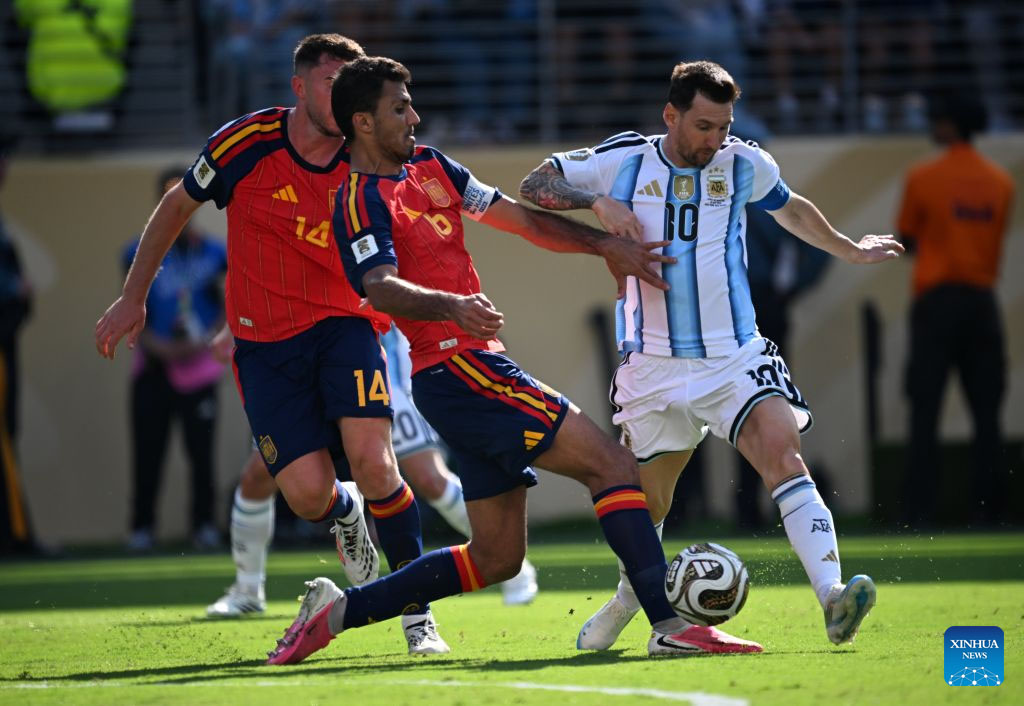
The 2026 World Cup also left an interesting paradox. The tournament seems to be built to honor stars, from players on the pitch to celebrities in the stands. However, the last gold cup belongs to a team that does not operate according to the philosophy of individualism.
Lamine Yamal is the brightest star of Spain, but this has never been his own tournament. Yamal is a product of the Barcelona training academy, where he always puts the team above the individual. Like his teammates, the 19-year-old player devoted all his attention to regaining ball control and performing his tactical role correctly. The victory over France in the semi-finals, the most impressive team performance of the tournament, is the clearest proof.
Meanwhile, Scaloni's Argentina is built in a different way. The entire operating system revolves around Messi, with the goal of maximizing the genius qualities of the captain. That formula once brought brilliant success, not only thanks to Messi's outstanding talent but also because of his rare ability to read the game. He seems to both play and observe from a perfect perspective to recognize the gaps in the opponent's defense and find ways to exploit them.
However, that formula began to reveal its limits when the World Cup entered the knockout stage.
At Qatar 2022, Argentina controlled almost all knockout matches. They overwhelmed Australia, only out of sync at the end of the match; overwhelmed the Netherlands before being dragged into the penalty shootout; convincingly defeated Croatia; and then controlled the game for most of the final match with France.
4 years later, everything was different. Messi and his teammates constantly had to fight to the limit of physical strength to overcome each challenge. They consumed too much energy on the journey to the final and finally no longer had enough strength to fight against a superior Spain.
That is also the reason why defending the World Cup championship is always difficult, especially in the context of the tournament having more knockout rounds. Clubs have a whole season to refresh their squads and experiment with tactics, while national teams rarely have that condition. Champions often keep the successful framework until the winning cycle closes.
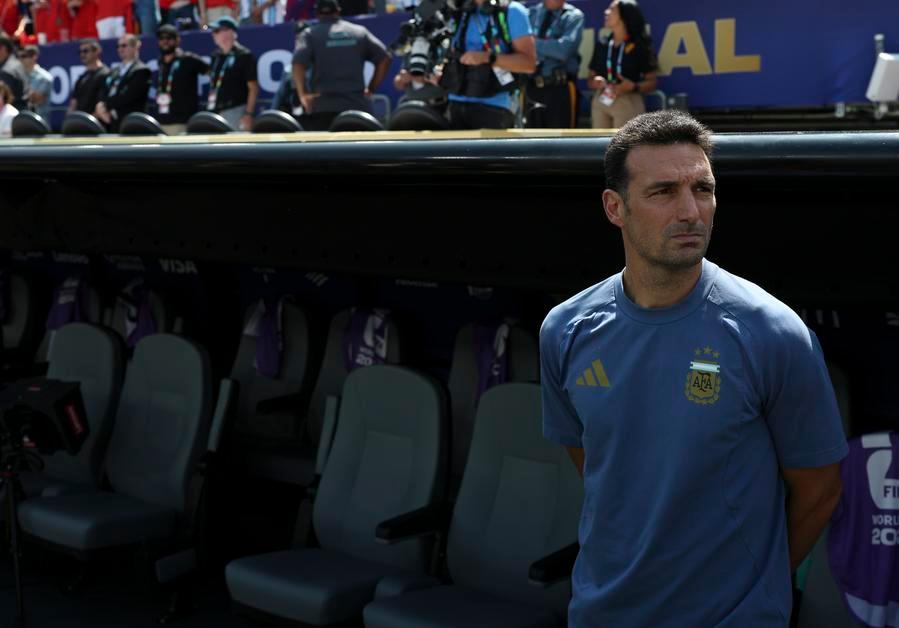
Scaloni's future is still a question mark. He himself also left open the possibility of leaving the national team in an emotional press conference after the final match. As for Messi, when he silently watched the stands, perhaps he also understood that the 2030 World Cup is still a very long road ahead.
Messi has repeatedly challenged the law of time, but in the race between people and age, time always wins. After the defeat against Spain, perhaps the time to close Messi's World Cup journey has come.


