
This is a big gamble, and the level of risk has never been so high. Tottenham is seriously declining. They have not won any matches in the Premier League since December last year and are currently facing the risk of relegation for the first time since 1977.
Throughout the season, many people believed that the last-time Europa League champion was too strong to be relegated. But the reality in the past few months has proven the opposite. The 12-point gap with the relegation group at the beginning of the year is now only 1 point when the season has 7 rounds left, and the risk of relegation is increasingly real.
Relegating to the Championship will be a disaster both financially and in reputation for a club that has participated in European cups 18/20 most recent seasons and reached the Champions League final 7 years ago. Therefore, they are forced to make the right decision.
Tottenham has chosen Roberto De Zerbi. They agreed to give him a 5-year contract with a salary in the highest group in the Premier League. In the context of a short-term solution, this is clearly a betting decision.
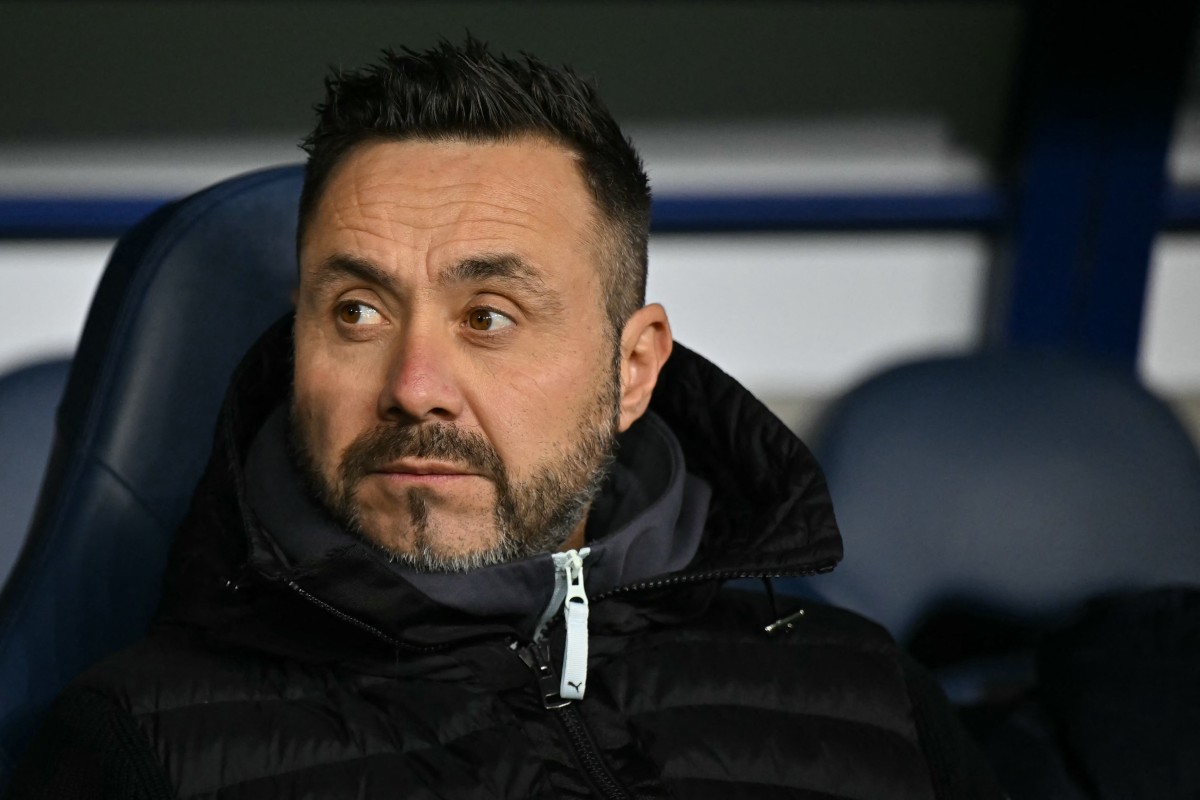
The most important thing at this time is the remaining 7 matches. If De Zerbi helps Spurs stay in the league, all costs become acceptable. The question is whether he can do it?
A part of fans are concerned about De Zerbi's hot temper, but his professional ability is undeniable. At Brighton, he elevated the team, helping them finish sixth in the first season despite taking over in the middle of the season.
However, the problem lies in the tactical difference. De Zerbi's ball control, pressing and short deployment style are completely opposite to the direct style that Tottenham has used.
Spurs do not have time to adapt. They need immediate results. This makes fans even more worried when De Zerbi once did not win the first 5 matches at Brighton, even though he started better at Marseille.
At Tottenham, the change is even greater. Under Thomas Frank and Igor Tudor, the team played defensively, with long balls and taking advantage of set pieces - completely opposite to De Zerbi's philosophy.
Statistics show that Spurs only controlled the ball on average 49.6%, ranking in the middle of the table. They are also ineffective in deploying attacks, with an average of only 19.3 assists per game. The defeat to Arsenal is clear evidence when Spurs only had 7 attacking passes.
This leads to a big problem in creating chances. They rank 15th in xG from live balls, while depending heavily on set pieces. Meanwhile, De Zerbi's Brighton is completely different. They control the ball right from their own half, proactively "pressing" to exploit space.
In nearly two seasons, Brighton has led in the number of passes in their own half and in their own penalty area. This style of play is highly risky and easily leads to mistakes. In fact, they are in the group of teams that lose the ball most dangerously and often let opponents create opportunities from mistakes.
But in return, the "Turtle" often controls the game well. Only Man City has more long passes than Brighton in this period. De Zerbi's playing style is not meaningless control, but has a clear purpose. Brighton once had a streak of 32 consecutive matches scoring - a top achievement in Premier League history.
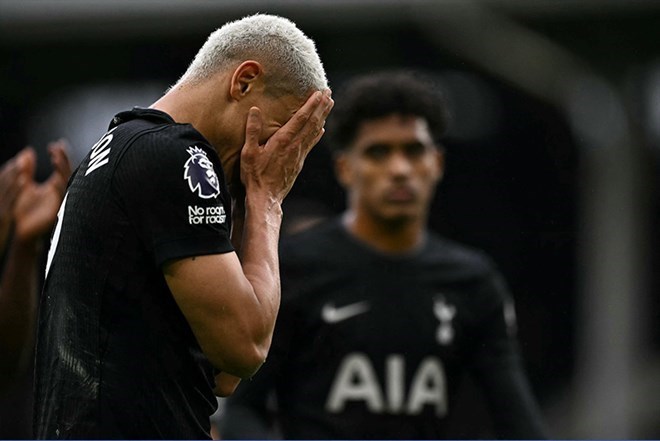
They also pressed strongly, in the top group in terms of ball possession and scoring opportunities from pressing. However, their recklessness also made them vulnerable to counter-attacks. Brighton was one of the teams that conceded the most goals from counter-attacks in that period.
In a streak of 32 scoring matches, they also conceded goals in 20 consecutive matches and only won 15 matches. This shows the similarity with Tottenham - attacking strongly but defending uncertainly.
Some Spurs players who used to play under Postecoglou can adapt quickly, but the whole team still has to get used to this style again after more than a year. However, De Zerbi also understands that this is not the time to pursue perfection. The most important thing is still to win points.


