
The 2026 World Cup has officially entered the most anticipated stage. After a long group stage with 48 teams, the tournament now has only 32 names left, opening a series of knockout matches promising to be more attractive and dramatic than ever.
Right from the early days of the knockout round, the atmosphere at the teams has changed significantly. The intensity of training is pushed up when every team understands that just one mistake can close the journey at the tournament.
The match has started. Now is the time for big matches to appear" - Dutch defender Jan Paul van Hecke said before the confrontation with Morocco. This is one of the matches considered the most balanced and worth watching in the round of 32.
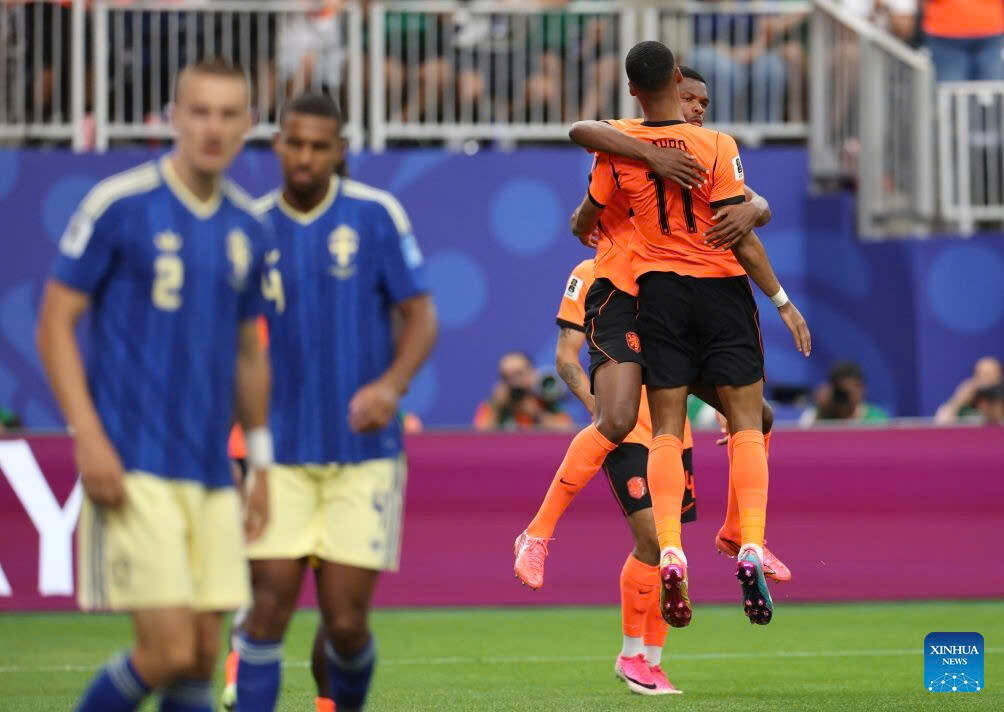
For the first time in history, the World Cup has 48 teams and the knockout round includes 32 teams. The larger scale does not reduce the professional quality, on the contrary, it creates a knockout round that is considered the most competitive.
A series of matches are considered to be of no different quality than the quarter-finals or semi-finals. Brazil faces Japan, the Netherlands faces Morocco, while many other matches are also considered very unpredictable. The gap between teams is narrowing, making the possibility of unexpected appearances greater than ever.
The fact that many championship candidates have to face each other right from the round of 32 may cause big names to stop early. However, that is also what creates the attractiveness of the knockout format.
If the group stage once caused controversy due to the new ranking format and some off-field developments, the professional quality is still enough to conquer fans. Many matches took place excitingly until the last minute, typically the score chase between Austria and Algeria or the courageous performances of Iran, although the Asian representative ultimately failed to win a ticket to the next round.
The 2026 World Cup also witnessed the sublimation of attacking stars. For the first time in history, up to 5 players scored at least 4 goals right from the group stage. Lionel Messi leads with six goals, while Kylian Mbappe, Erling Haaland, Vinicius Junior and Ousmane Dembele all have 4 goals.
The scoring efficiency of the tournament is also very high with an average of 2.99 goals per match, the highest since the 1958 World Cup. Super products continuously appear, contributing to making the 2026 World Cup one of the most emotional World Cups in recent years.
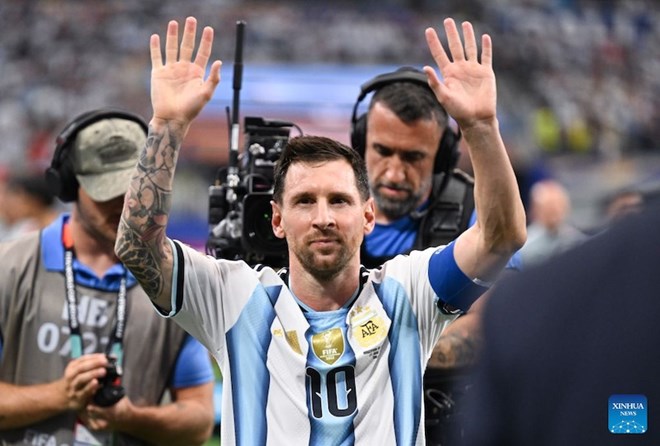
Besides the performance of the stars, the tournament also reflects the change in the balance of power between continents. Africa created a historical milestone when 9/10 representatives participated in the knockout round, while Asia only Japan and Australia advanced.
The 48-team format still causes much debate, from organization, ticket prices to logistics issues. However, from a professional perspective, the 2026 World Cup is far exceeding expectations with the quality of matches, number of goals and increasingly fierce competition.
Now, when the tournament enters the knockout round, the World Cup is truly beginning. There is no longer a chance to correct mistakes, no longer room for long-term calculations. Only 32 teams left, life-and-death matches and the journey to find the world champion.


