Winter with cold, dry and sunny weather often makes the human body prone to reduced resistance, digestive disorders and respiratory diseases. Therefore, choosing seasonal foods is an important factor in protecting health.
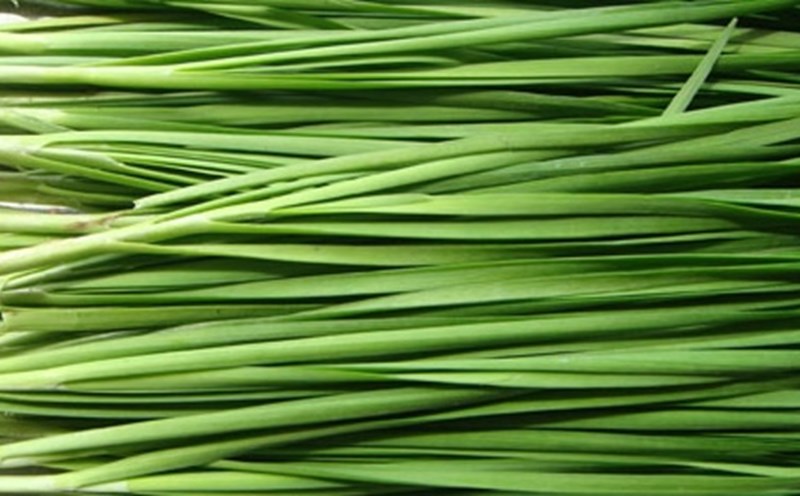
Centella asiatica - a familiar spice vegetable - is considered to be more desirable in winter thanks to its outstanding nutritional values and health benefits.
First of all, parsley is warm in nature, very suitable for the cold climate of winter. Warm foods help warm the body, promote blood circulation and reduce cold sensations in hands and feet. When supplemented regularly, parsley can support the body to adapt better to cold weather, limiting symptoms such as bloating, indigestion or abdominal pain due to cold.
Besides, water spinach is very good for the digestive system, which is easily affected in winter when people exercise less and eat more foods rich in protein and fat. Water spinach contains essential oils and fiber that help stimulate digestion, reduce bloating and support the absorption of nutrients.
When housewives use a lot of herbs in soups, fish dishes or stir-fried dishes, it not only enhances the flavor but also makes meals easier to digest and more balanced.
Another important reason, cauliflower contains many vitamins and antioxidants, especially vitamin C, vitamin A, and flavonoid compounds. These substances help strengthen the immune system, protect the body from colds, sore throats or flu - common diseases in winter. Cauliflower also has mild antibacterial effects, contributing to protecting the respiratory and intestinal tracts.
The practical factor cannot be ignored is that spinach is easy to find, cheap and easy to process in winter.
Housewives can prepare many simple dishes for the whole family using spinach such as fish soup, porridge, fried eggs to stir-fried dishes.
For these dishes, dishes can be combined flexibly, helping meals to be both delicious and nutritious.