
Ba phi hành gia từ NASA cùng một từ cơ quan vũ trụ Canada, sẽ bay quanh mặt trăng trong sứ mệnh Artemis II, được lên kế hoạch vào năm 2024. Đó sẽ là khúc dạo đầu cho cuộc đổ bộ của con người lên vệ tinh tự nhiên của Trái đất một hoặc hai năm sau đó, lần đầu tiên kể sứ mệnh Apollo.
Thông báo về phi hành gia là một trong một loạt các sự kiện được lên kế hoạch cho năm 2023 khi NASA tìm cách duy trì động lực cho chương trình Artemis. Giám đốc NASA Bill Nelson cho biết, năm 2022 là một trong những năm thành công nhất trong lịch sử của NASA, nhưng “vẫn còn nhiều điều đáng mong đợi” vào năm 2023.
Robot trên mặt trăng
Ngoài Artemis II, NASA đang hợp tác với một số công ty tư nhân để gửi một đội tàu đổ bộ robot lên mặt trăng. Hai chuyến bay đầu tiên, do hai công ty thương mại Intuitive Machines và Astrobotic thực hiện, được lên kế hoạch phóng trong năm nay, theo hợp đồng của NASA.
Intuitive Machines hy vọng sẽ công bố dự án vào khoảng giữa tháng 3 và tháng 5 năm nay và sẽ mất từ 4 đến 7 ngày để tàu đổ bộ của họ tiếp cận bề mặt mặt trăng. Astrobotic đã nói rằng, tàu vũ trụ Peregrine dự kiến ra mắt trong quý I năm 2023.
Một hợp đồng đổ bộ mặt trăng khác
Cuối năm nay, NASA dự định trao một hợp đồng đổ bộ mặt trăng khác để đưa các phi hành gia của họ đến và đi từ bề mặt của mặt trăng. SpaceX đã giành được hợp đồng cho lần hạ cánh đầu tiên và thứ hai. Nhưng bây giờ, NASA muốn có một nhà cung cấp khác và tình hình cạnh tranh cho hợp đồng đó đã trở nên gay gắt.
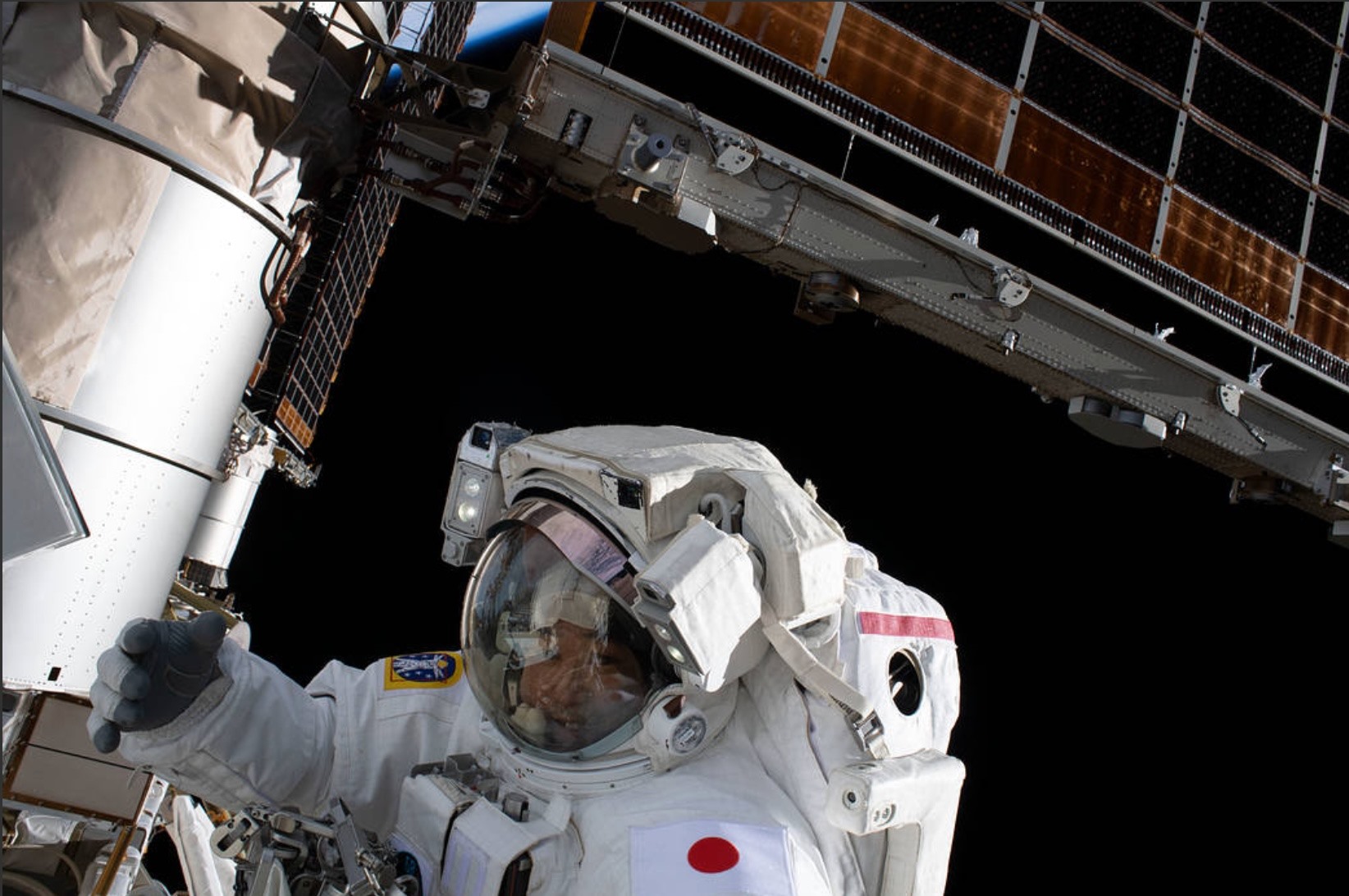
Blue Origin - liên doanh hàng không vũ trụ do Jeff Bezos thành lập - cùng với Dynetics - một công ty con của Leidos - đã thua SpaceX trong vòng đầu tiên. Cả hai đang đấu thầu hợp đồng một lần nữa, mặc dù lần này Northrop Grumman - công ty từng là thành viên của nhóm Blue Origin lần trước - đã trung thành và hiện hợp tác với Dynetics. Blue Origin đã chọn hai đối tác khác cho nhóm của mình: Boeing và Astrobotic.
Boeing cuối cùng sắp thực hiện sứ mệnh với phi hành đoàn đầu tiên
Boeing sắp có một cuộc thử nghiệm lớn vào năm 2023. Năm ngoái, hãng cuối cùng đã phóng tàu vũ trụ Starliner của mình trong một nhiệm vụ trình diễn bay tới Trạm Vũ trụ Quốc tế mà không có bất kỳ phi hành gia nào trên tàu.
Cuối cùng, công ty sẽ tìm cách đưa các phi hành gia lên tàu, mang đến cho NASA một tàu vũ trụ khác để lựa chọn. NASA cho hay, sự chậm trễ của Boeing là do công việc giải quyết các vấn đề với động cơ đẩy của tàu vũ trụ trong chuyến bay chưa được thực hiện, cũng như giao thông đến trạm vũ trụ.
SpaceX sẽ tiếp tục đưa các phi hành gia và hàng hóa lên trạm vũ trụ cho NASA bằng tên lửa Falcon 9 và tàu vũ trụ Dragon.
Nhiều tên lửa mới
Năm nay cũng có thể chứng kiến các tên lửa mới được phóng. United Launch Alliance, liên doanh giữa Lockheed Martin và Boeing, cuối cùng đã chuẩn bị cho lần đầu tiên phóng tên lửa Vulcan, sử dụng động cơ BE-4 do Blue Origin cung cấp. Tên lửa này sẽ được sử dụng để phóng các vệ tinh an ninh quốc gia cho Lầu Năm Góc, cũng như các vệ tinh cho hệ thống internet Kuiper của Amazon.
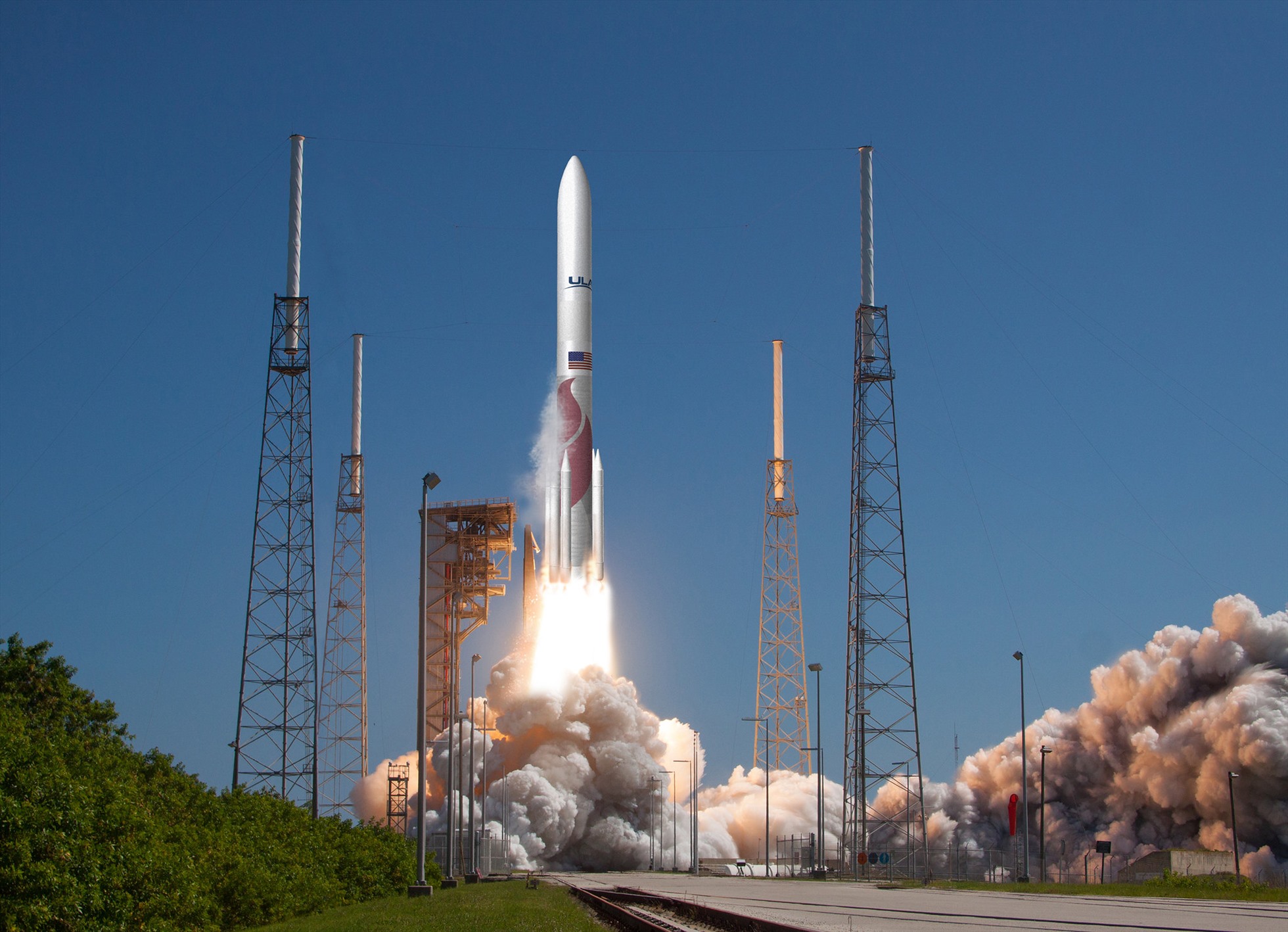
Relativity Space, một công ty mới thành lập có trụ sở tại California, đã sử dụng máy in 3D để sản xuất tên lửa của mình, dự kiến sẽ phóng tên lửa Terran 1 vào đầu năm nay. Phòng thí nghiệm tên lửa đang tìm cách phóng tên lửa Electron của mình từ cơ sở của NASA ở Đảo Wallops, vào đầu năm nay cũng như sau khi vụ phóng vào tháng 12 bị hoãn lại.
Nhiều người dân trong không gian hơn
SpaceX dự định sẽ đưa một nhóm phi hành gia dân sự khác lên quỹ đạo vào cuối năm nay như một phần của chương trình Polaris được tài trợ bởi Jared Isaacman, một doanh nhân và nhà thám hiểm.
Là một phần trong sứ mệnh, phi hành đoàn dự định thực hiện chuyến đi bộ ngoài không gian dân sự đầu tiên.
Blue Origin cũng có ý định tiếp tục đưa khách du lịch lên vũ trụ bằng tên lửa cận quỹ đạo New Shepard. Năm ngoái, tên lửa bị hỏng động cơ khi không có bất kỳ phi hành gia nào trên tàu. Công ty đã và đang điều tra xem có vấn đề gì xảy ra khi làm việc với Cục hàng không Liên bang Mỹ trước khi tiếp tục đưa các công dân tư nhân đã mua vé cho các chuyến du lịch vũ trụ.


