
Ngày 25.10, Apple đã lặng lẽ cập nhật các quy tắc trên App Store, yêu cầu các nhà phát triển iOS có sử dụng tính năng mua hàng trong ứng dụng chia sẻ cho Apple 30% "doanh số bán hàng" của các bài đăng chạy quảng cáo trong một ứng dụng mạng xã hội.
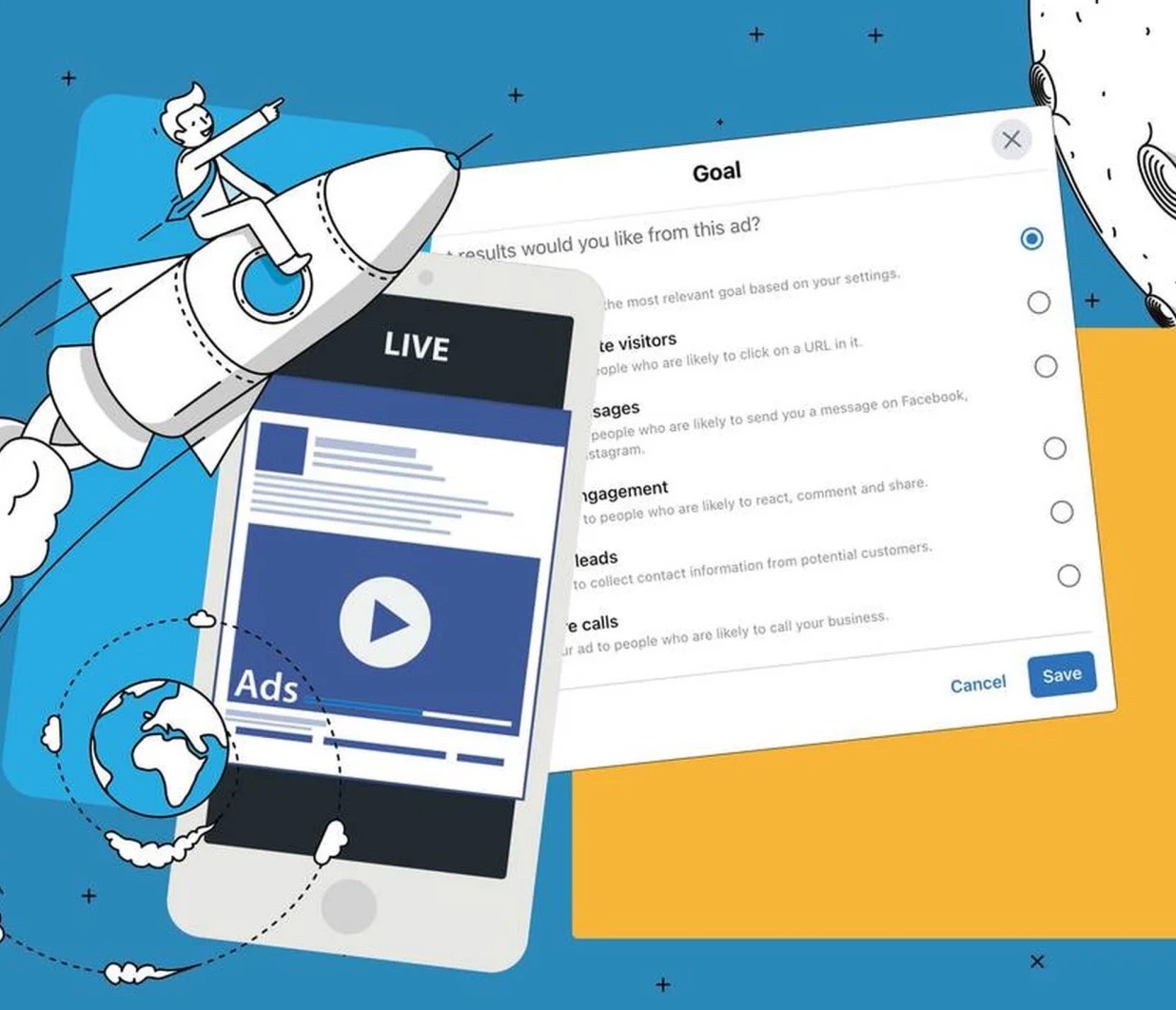
Điều này chủ yếu ảnh hưởng đến Facebook và Instagram, các nền tảng cho phép người dùng trả tiền để tăng phạm vi tiếp cận các bài đăng của họ. Đây là lần đầu tiên Apple đánh thuế trực tiếp vào quảng cáo trong ứng dụng iOS.
Tất nhiên, Meta không hài lòng về bước đi này của công ty. Người phát ngôn của Metay, Tom Channick, đã gửi cho The Verge tuyên bố như sau: “Apple tiếp tục đưa ra các chính sách để phát triển hoạt động kinh doanh của riêng họ trong khi lấy hoa hồng của các công ty khác trong nền kinh tế kỹ thuật số.
Trước đây, Apple cho biết, họ không lấy một phần doanh thu quảng cáo của nhà phát triển, và bây giờ dường như đã thay đổi quyết định. Chúng tôi vẫn cam kết cung cấp cho các doanh nghiệp nhỏ những cách đơn giản để chạy quảng cáo và phát triển doanh nghiệp của họ trên ứng dụng của chúng tôi”.
Trả tiền để tăng độ phủ của bài đăng (Boost) là một tính năng phổ biến không chỉ có trên các ứng dụng của Meta mà còn hoạt động trên các ứng dụng xã hội khác như Twitter và TikTok.
Sự khác biệt đối với Facebook và Instagram là họ hiện không sử dụng hệ thống thanh toán “Mua trong ứng dụng” của Apple cho tính năng này. Trong khi đó, Twitter, TikTok và những mạng xã hội khác thì có.
Tháng 5 năm ngoái, trong phiên tòa chống độc quyền của Epic kiện Apple, người phụ trách App Store, Phil Schiller, đã làm chứng rằng, công ty chưa bao giờ lấy một phần doanh thu quảng cáo của nhà phát triển iOS. Nhưng dường như điều này đã thay đổi.
Theo một số nguồn tin từ nội bộ Meta, chính sách mới sẽ không có tác động đáng kể đến doanh thu của công ty. Nhưng nó tạo ra mối lo ngại về việc Apple cuối cùng sẽ yêu cầu quy tắc tương tự cho ứng dụng trình quản lý quảng cáo độc lập của Meta.
Trong một tuyên bố chia sẻ với The Verge, người phát ngôn của Apple, Peter Ajemian đã hạ thấp độ quan trọng của việc giới thiệu quy tắc mới, nói rằng App Store từ lâu đã trích doanh thu của các loại hàng hóa và dịch vụ kỹ thuật số.
“Trong nhiều năm nay, các nguyên tắc của App Store đã thể hiện rõ ràng rằng việc bán hàng hóa và dịch vụ kỹ thuật số trong một ứng dụng phải sử dụng hệ thống "Mua trong ứng dụng".
Tính năng Boost cho phép một cá nhân hoặc tổ chức trả tiền để tăng phạm vi tiếp cận của bài đăng hoặc hồ sơ, là một dịch vụ kỹ thuật số - vì vậy tất nhiên là phải được tính tiền bằng quy trình "Mua trong ứng dụng". Điều này luôn luôn xảy ra và có rất nhiều ví dụ về các ứng dụng làm điều đó thành công”, ông Peter Ajemian cho biết thêm
“Bằng cách tự đưa mình vào quy trình thúc đẩy bài đăng trên mạng xã hội và trích 30% phí, Apple đang giảm hiệu quả chi tiêu quảng cáo cho các doanh nghiệp nhỏ và những người có ảnh hưởng”, Eric Seufert, một nhà phân tích quảng cáo có uy tín cho biết.


