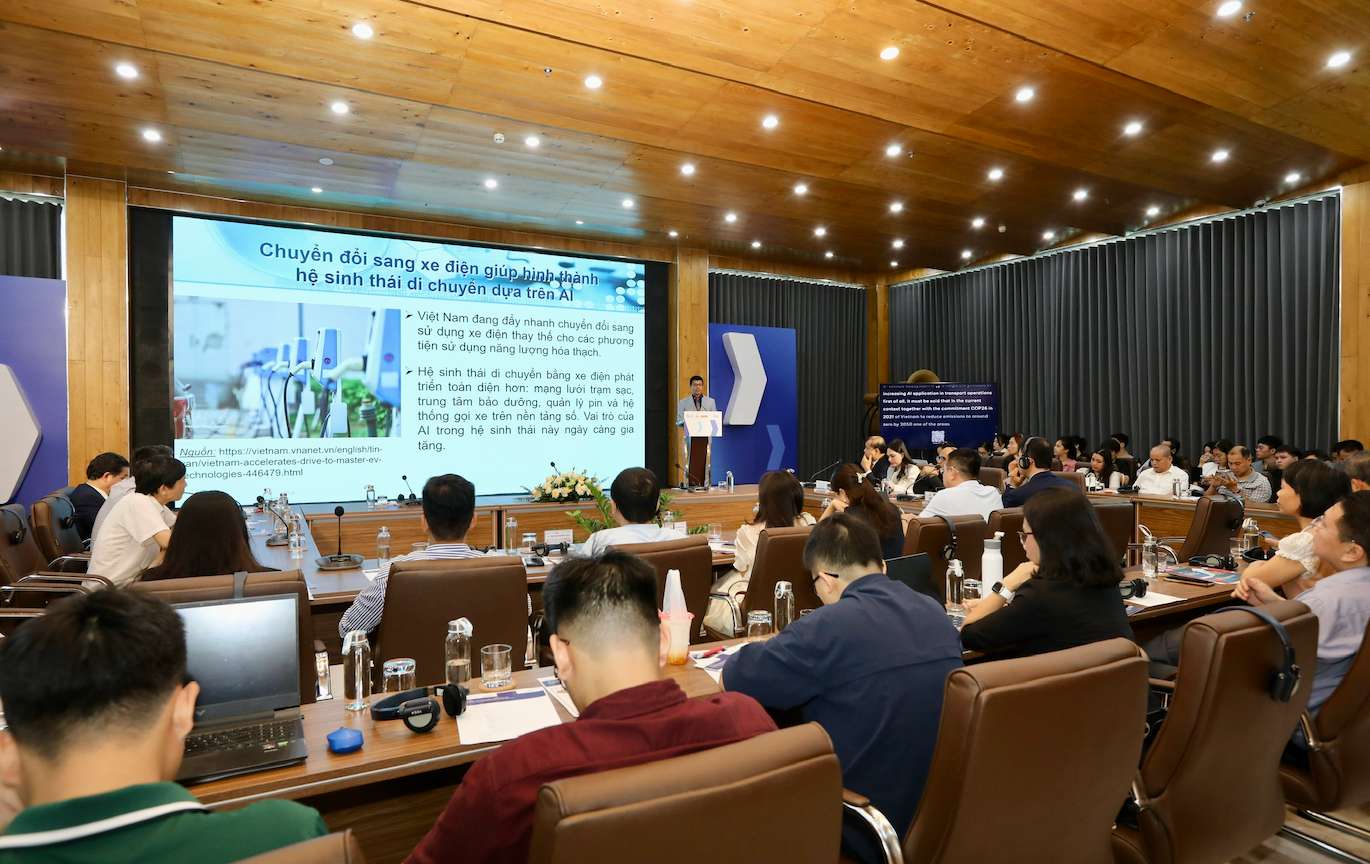
On May 21, the Vietnam Association of Economic Sciences (VEA), VnEconomy and the Institute for Technology Research for the Community (TFGI), in coordination with the Institute for Policy and Strategy Research (IPSS), organized the workshop "Moving, Artificial Intelligence (AI) and Society: Strengthening the Future of Transportation in Vietnam".
Speaking at the opening of the conference, Prof. Dr. Hoang Van Cuong - Vice President of the Vietnam Economic Science Association, said that transportation is not only technical infrastructure serving transportation, but the more important issue is the operating method to circulate blood vessels and limit the amount of investment but the efficiency brought to human transportation.
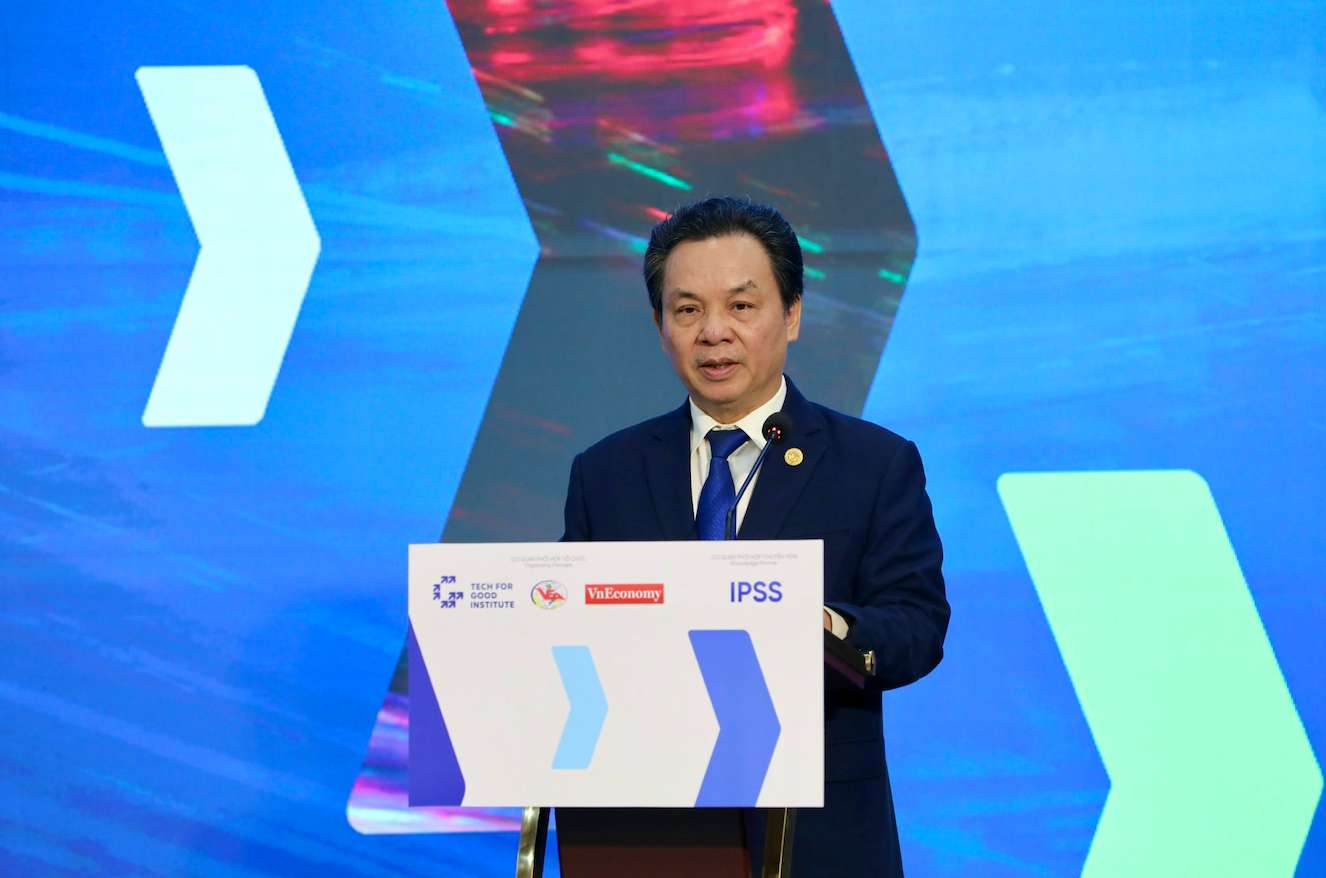
“Requirements for transport development thinking and building a modern, smart transportation ecosystem are becoming more important than ever. The strong development of artificial intelligence AI, big data, multi-talented battery, Internet and safety, IP, sensor technology and digital phones are creating great opportunities to create intelligent transportation systems, serving human development.
The application of AI and the development of smart transportation can help us optimize traffic flows, reduce traffic congestion and accidents, improve the efficiency of infrastructure management and operation, reduce emissions and move towards green transportation. At the same time, improve logistics efficiency and competitiveness of the economy, gradually forming smart cities and modern societies," Mr. Cuong emphasized.
At the Workshop, Mr. Nguyen Hoa Cuong - Deputy Director of the Institute for Policy and Strategic Studies (IPSS), said that this is the first time Vietnam has organized a specialized workshop on technology in the field of transportation. According to him, many forecasts show that by about 2035, the AI market applied in global transportation alone may reach a scale of about 535 billion USD.
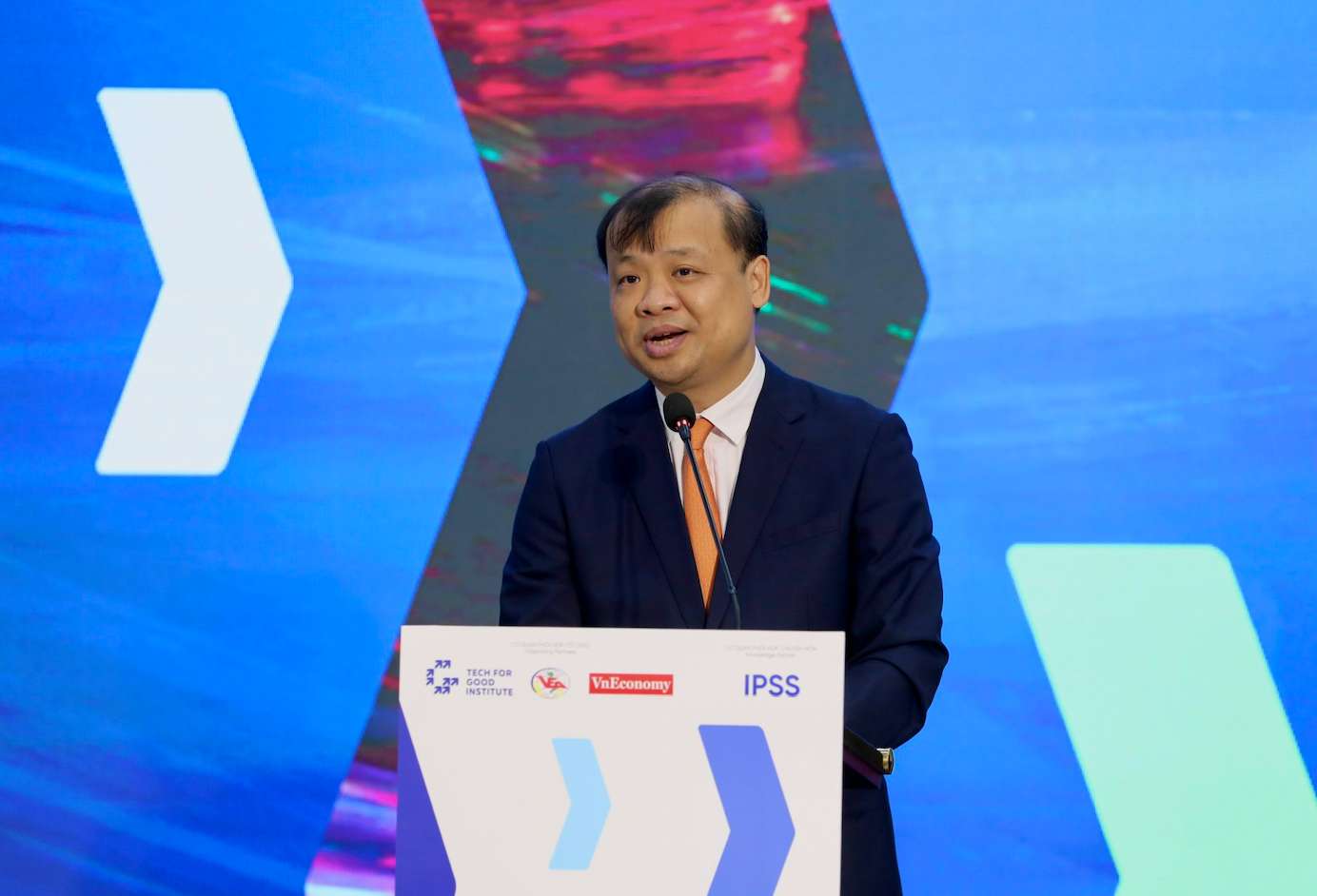
Mr. Nguyen Hoa Cuong emphasized that AI will create a profound impact on all fields and all levels of management, especially in optimizing urban transportation systems. According to Mr. Cuong, most technology businesses today aim to build safer, smarter and more sustainable transportation solutions for the community.
At the Conference, Ms. Citra H Nasruddin - Program Director of the Institute for Community Technology Research (TFGI), emphasized that TFGI sees many directions to promote the future of smart mobility in Vietnam. The process of transitioning to electric vehicles, applying AI in logistics or expanding the public transport system at reasonable and effective costs are just a few typical examples.
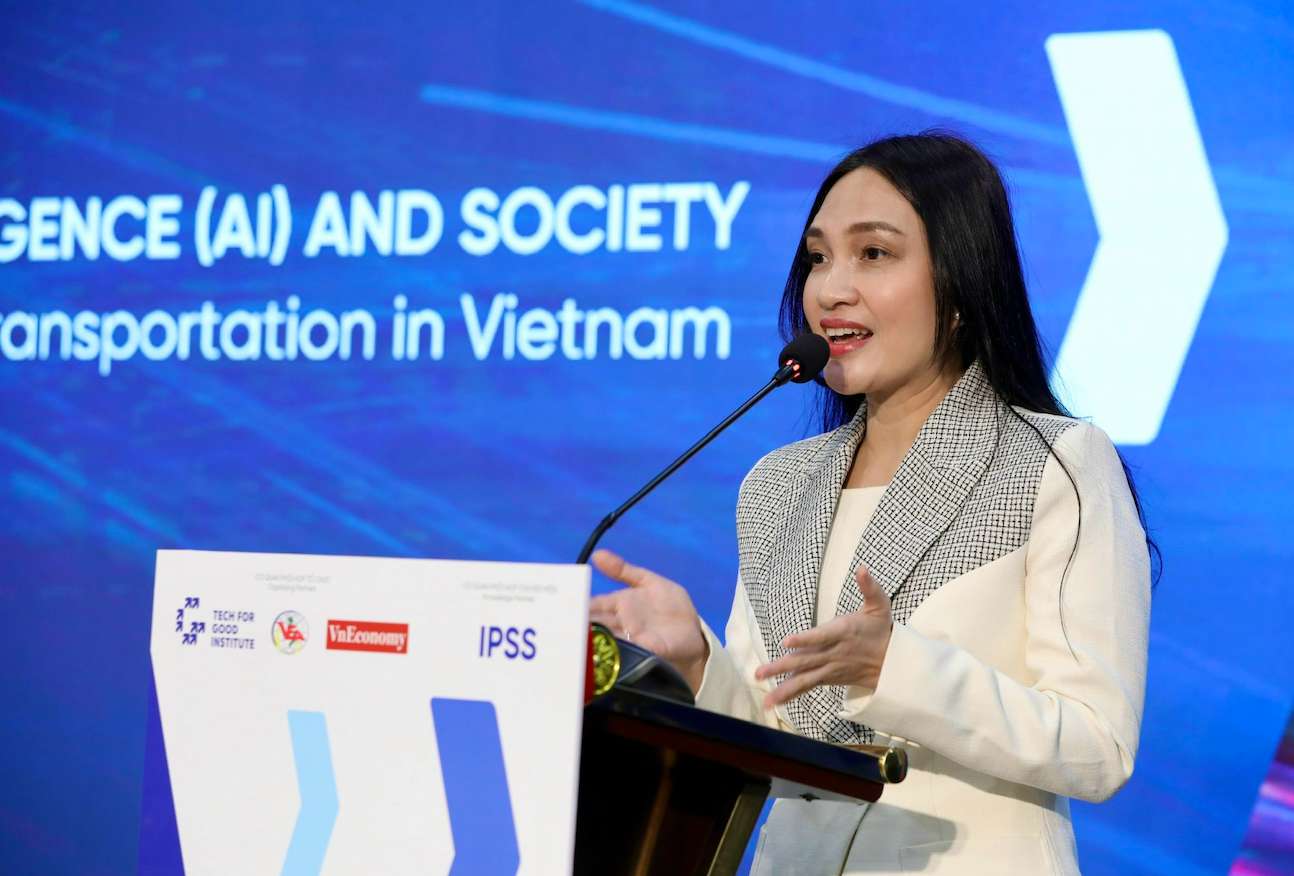
Ms. Citra H Nasruddin believes that in the process of smart transport planning, careful calculation of deployment speed and priority order is a key factor. Each transport development model has a roadmap, prerequisites and different trade-offs. Therefore, parties need to comprehensively assess these factors together so that policies and solutions are coordinated more effectively, maximizing common benefits, prioritizing people's needs and minimizing risks to the community.
Large-scale interventions always need to put inclusiveness and people at the center. When improving the transportation system, we must ensure that these changes truly meet the needs, quality of life and expectations of the majority of Vietnamese people in different socio-economic contexts," Ms. Citra emphasized.