
In Xeo Ta 2 hamlet, Hop Thanh commune, a new livestock farming model is being boldly implemented by people - "voi moc" farming. Although it is only in the testing phase, the initial positive signals have opened up expectations for a livelihood direction suitable for the local conditions of the highlands.
The pioneer was Mr. Hu Lao San, Secretary of the Village Party Cell. With the spirit of daring to think and daring to do, he proactively learned techniques and learned from experience before bringing this livestock to try.
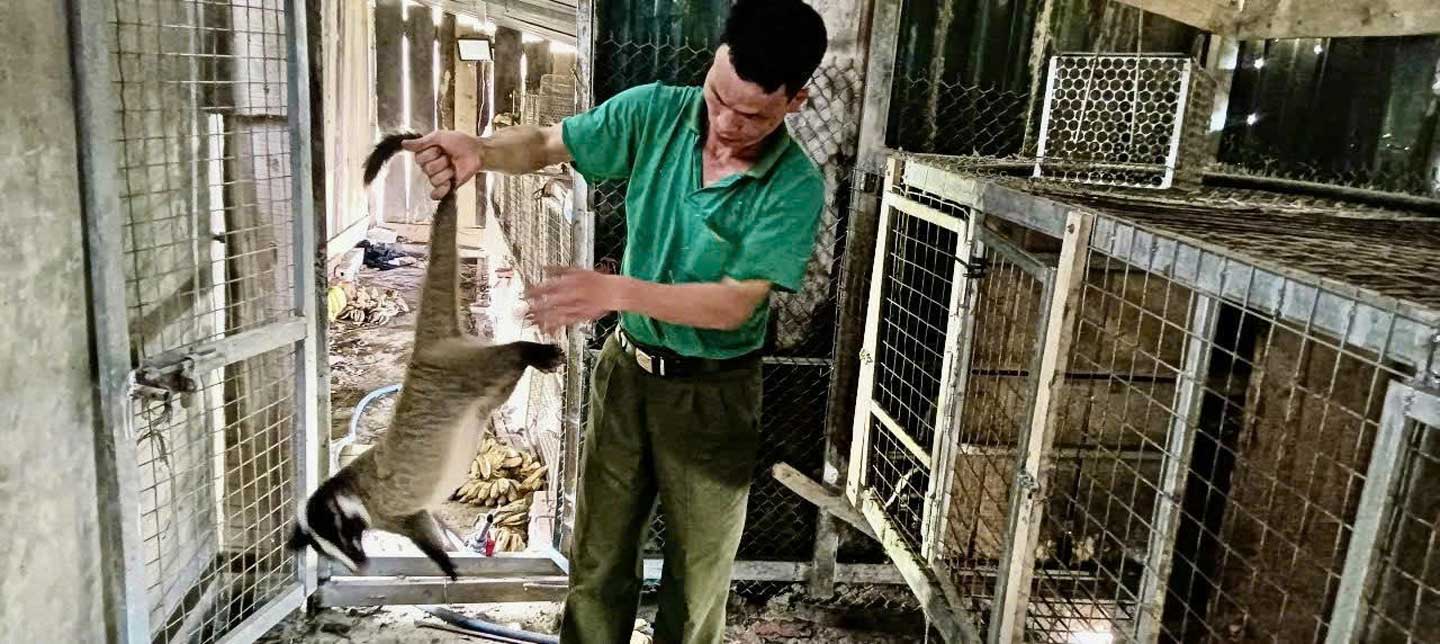
At first, I only dared to buy 2 pairs to raise to both work and learn from experience, avoiding risks," Mr. San shared.
From the initial 2 pairs of breeds, now his family's herd of civets has grown to 13 and is expected to continue to increase in the near future.
Through livestock farming practice, he realized that this is a livestock suitable for highland conditions when it does not require too complicated techniques, low feed costs due to taking advantage of available local fruit sources, and not much care.
Not only developing a crop farming model, Mr. San's family also maintains planting about 10,000 cinnamon trees from many years ago. Currently, this area has yielded sparse harvests, bringing in a stable source of income.
Thanks to combining many economic models, his family has gradually improved their lives, becoming a role model for people in the village to learn from.
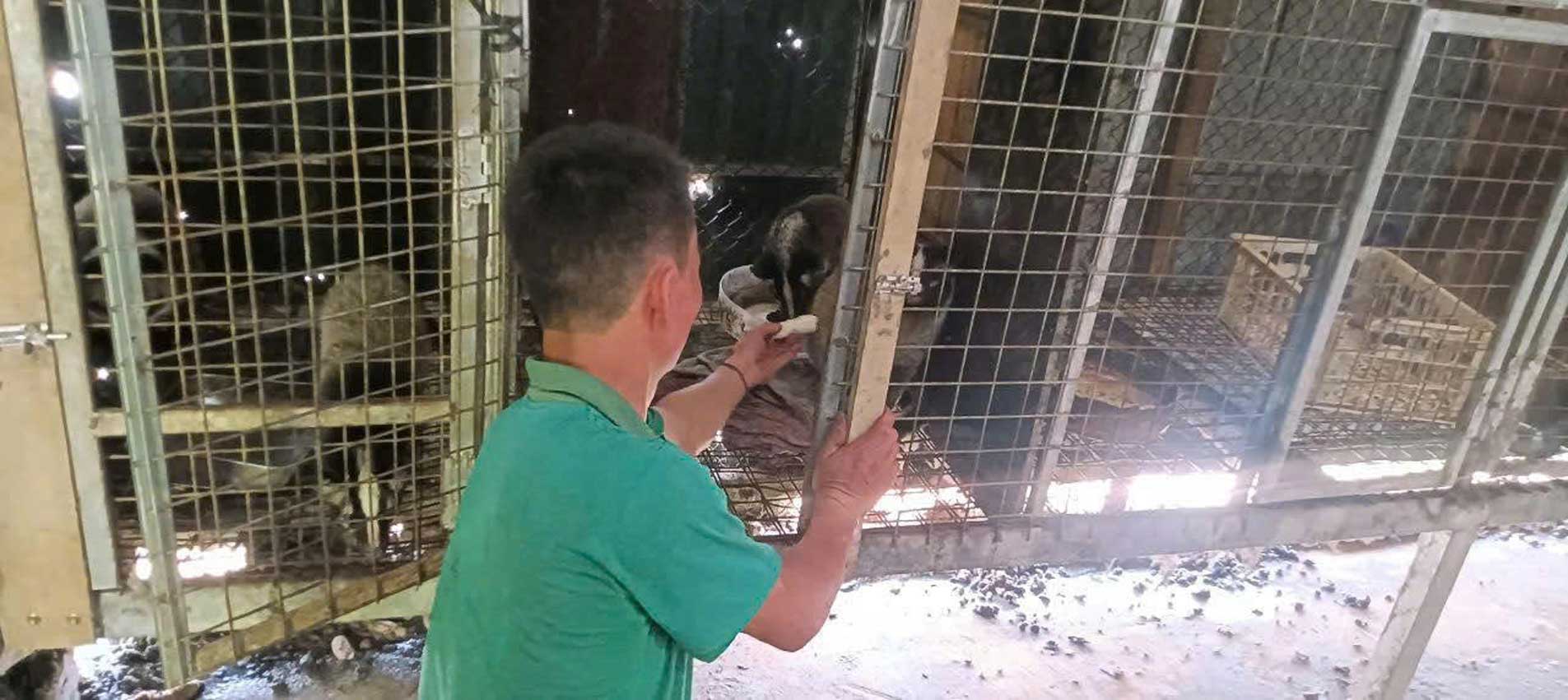
According to research, "cầy vòi mốc" are livestock with quite high economic value, with commercial selling prices ranging from 8 to 10 million VND per animal. If developed stably, it can bring in revenue of 60-70 million VND per year.
This is considered a significant income level for households in mountainous areas, where production conditions are still difficult.
However, the biggest difficulty currently is still capital. The expansion of livestock farming and investment in barns is still limited because people have difficulty accessing preferential loans.
Besides, the model is still spontaneous, there is no linkage between households, lack of technical support and market orientation.
Xeo Ta 2 village currently has 61 households, of which there are still near-poor households and poor households. In the context that there are not many effective economic models, the experimentation of raising moldy crabs combined with growing cinnamon is considered a practical direction to diversify livelihoods and increase income.
Reality shows that if supported in terms of capital, technology and product consumption connection, the "vòi mốc" farming model can completely develop sustainably, contributing to promoting the economy and reducing poverty in the highland area of Hop Thanh.


