
Located on Huong Vien street, Dong Nhan ward (Hanoi), the National Special Relic Complex of Temple - Pagoda - Dinh Hai Ba Trung is one of the typical cultural and historical addresses of the Capital.
As a place to worship Hai Ba Trung and female generals, the relic complex still preserves valuable values of architecture, beliefs and patriotic traditions of the Vietnamese nation.
According to documents stored at the relic, the Hai Ba Trung temple was built in 1142 under the reign of King Ly Anh Tong on the banks of the Red River. The project was created to commemorate the merits of two national heroines who led the uprising against the Northern domination in the early Early Christianity.
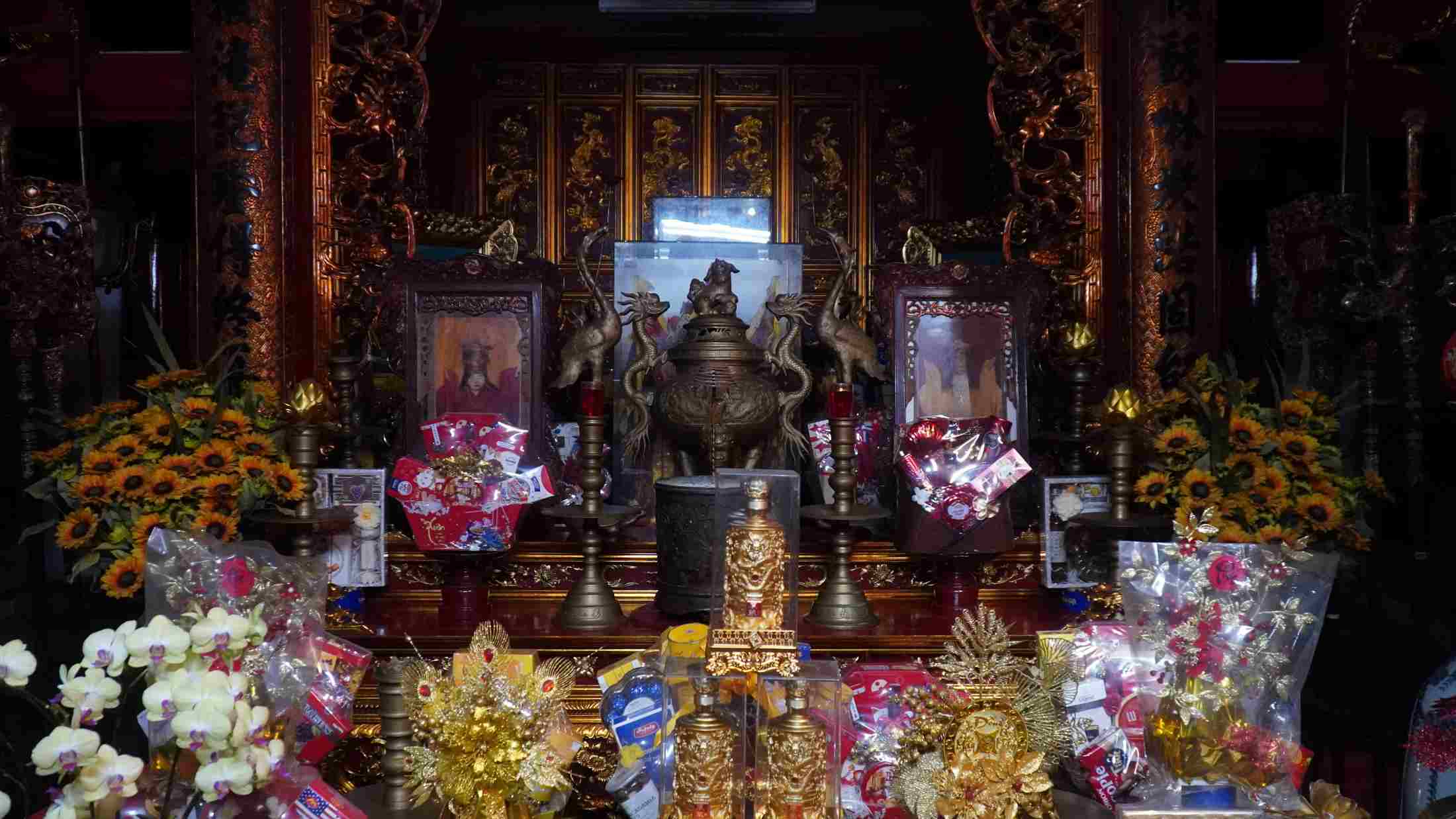
By 1819, due to riverbank erosion, the people of Dong Nhan village relocated and rebuilt the entire complex at its current location.
Over the centuries, the relic has been preserved and conserved. In 1962, it was ranked as a National Relic and in 2019 it was recognized as a Special National Relic thanks to its outstanding historical and cultural values.
The complex includes 3 main works: Hai Ba Trung Temple, Vien Minh Pagoda and Dong Nhan communal house. The temple is built in the "internal and foreign affairs" architecture, creating a solemn space for worshiping the Hai Ba and 6 female generals who contributed to the uprising.
Besides, Vien Minh Pagoda stands out with many ancient statues, stone steles and a system of Dharma objects bearing the artistic imprint of the Nguyen Dynasty. Dong Nhan communal house is a place to worship guardian gods, associated with the religious life of local residents through many generations.
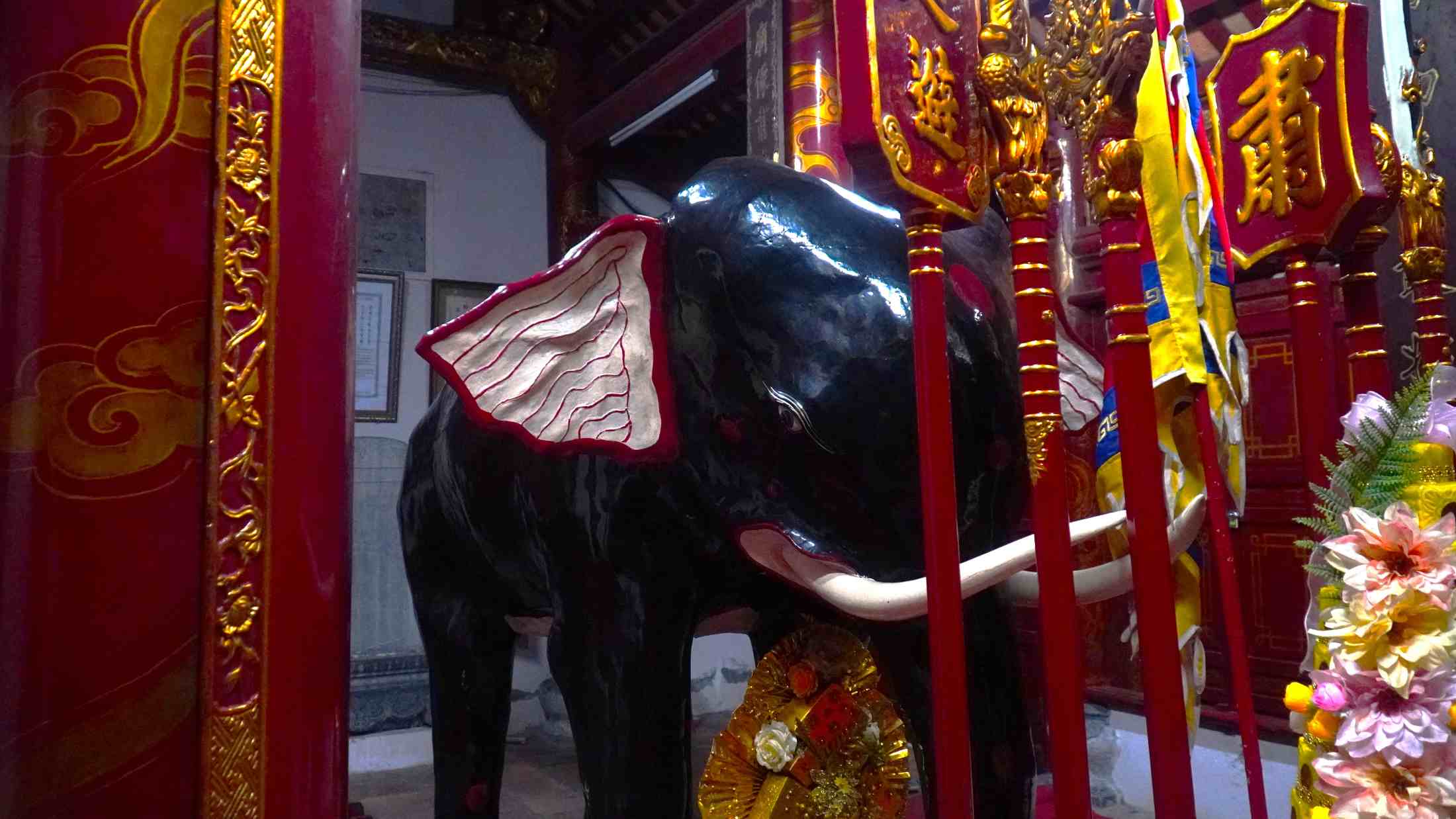
One of the highlights of the relic is the elaborately crafted elephant statue system in the inner sanctuary area. The elephant image has been associated with Hai Ba Trung since the days of raising the flag of uprising and has become a symbol of strength, loyalty and resilience.
To this day, in folk beliefs, stone elephants at Hai Ba temples also carry the meaning of praying for peace, health and protection for the family.
According to legend, in the early years of the Common Era, our country was under the harsh rule of the Han Dynasty. Faced with that situation, the two sisters Trung Trac and Trung Nhi stood up to gather forces in the Me Linh region. In the spring of 40, the uprising broke out at the mouth of the Hat River and quickly received strong response from people in many places.
Contributing to that victory was the consensus of many talented female generals such as Le Chan, Bat Nan, Thanh Thien and many other historical figures. They not only directly fought but also took on the role of commanding, contributing to creating resounding feats of arms in the nation's history.
After the victory, Trung Trac ascended the throne, proclaimed herself Trung Nu Vuong and established an independent government in Me Linh. This is the first time in Vietnamese history that a woman has headed the country, affirming the role and bravery of women in the cause of building and defending the country.
Today, Hai Ba Trung Temple is not only a place for religious activities but also a place to educate traditions for generations. Stories about the Hai Ba and female generals are still passed down as a reminder of patriotism, independence spirit and the indomitable will of the Vietnamese nation.
Through many changes of time, the heroic flame from the uprising of yesteryear is still present, becoming a source of pride in the minds of every Vietnamese person.


