
Bac Hoa is a village of the Nung ethnic people in Tan Son commune, Bac Ninh province (formerly Tan Son commune, Luc Ngan district, Bac Giang province). This place has more than a hundred households living together along the lychee hills and open fields. What makes this place different is the earthen-walled houses, yin-yang tiled roofs that have been stained with time.
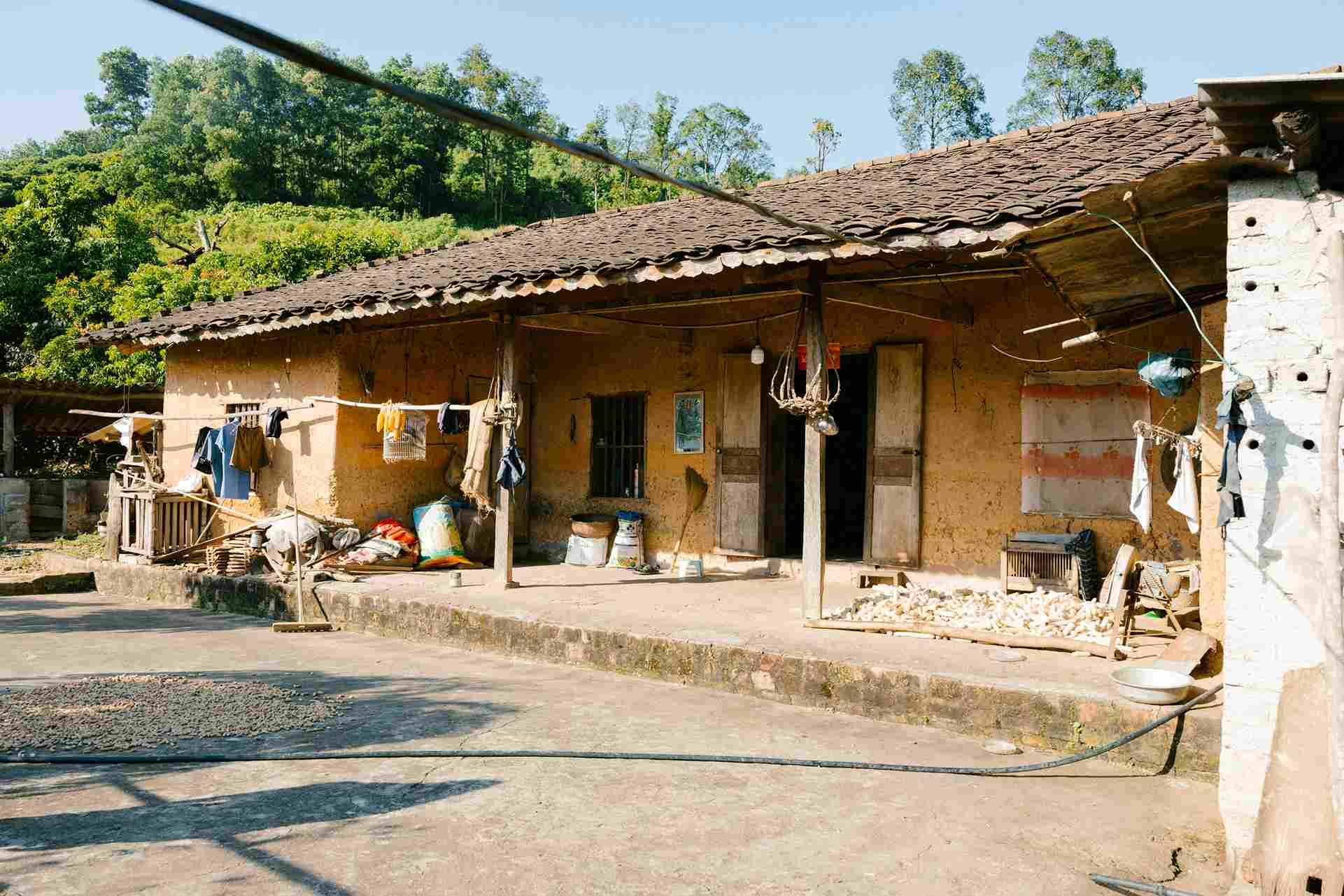
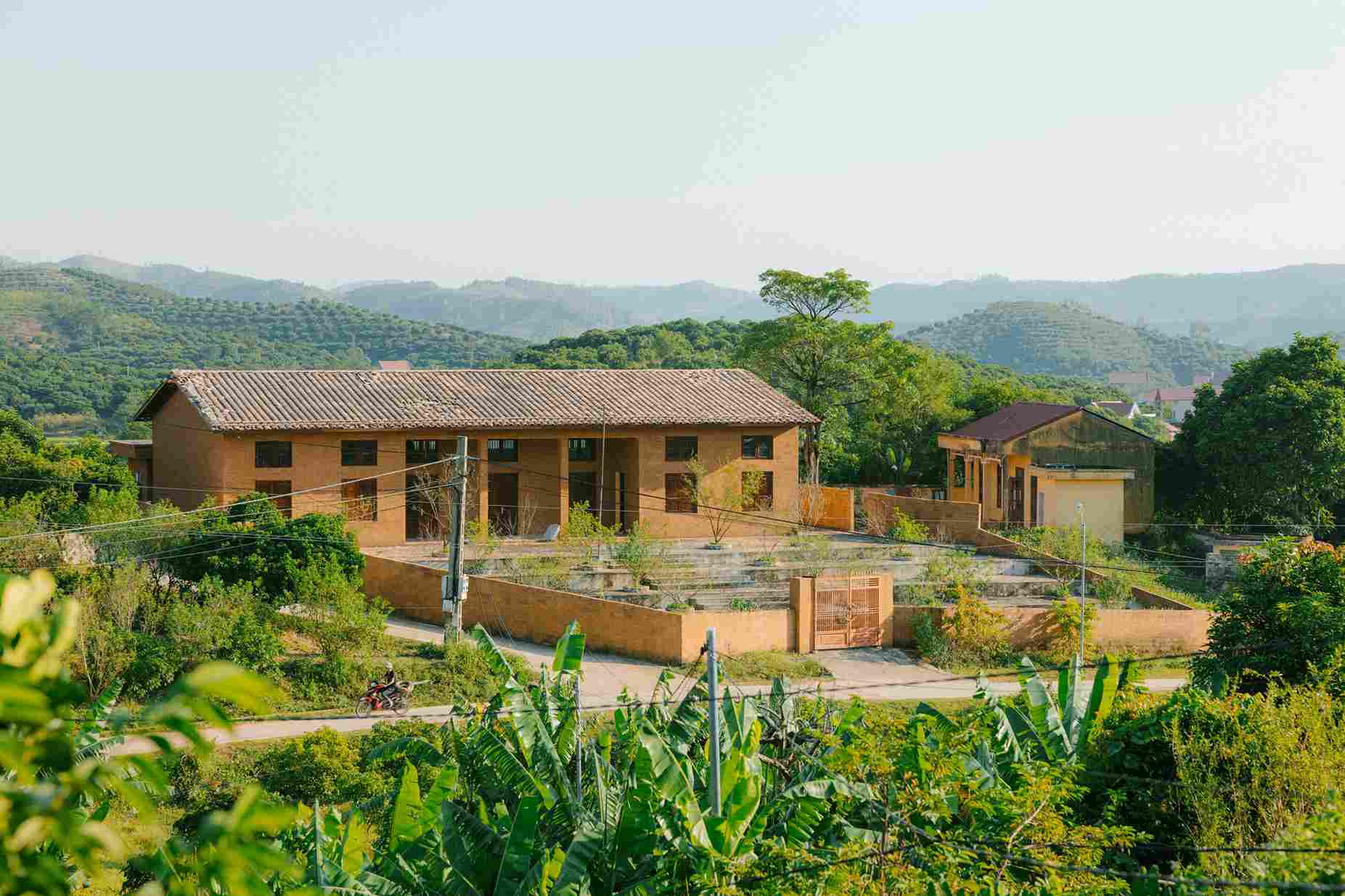
The road in the village is deserted. Occasionally, the sound of dogs barking, roosters crowing or motorbikes echoing from afar. Children invite each other to climb trees and pick fruit under the afternoon sun. Wind blowing through the bamboo groves along the road creates a gentle sound. The pace of life in Bac Hoa is so slow that the sound of footsteps on the village road can be clearly heard.
Going deep into the village, old banana bushes, purple bìm bìm flower trellises or galangal beds growing along the road appear simply. Adults take advantage of picking corn, drying corn in front of the yard. Old women carry grandchildren sitting and chatting. Two students take each other to school outside the town. Young children curiously run after strangers and then happily lead the way to visit each ancient house.
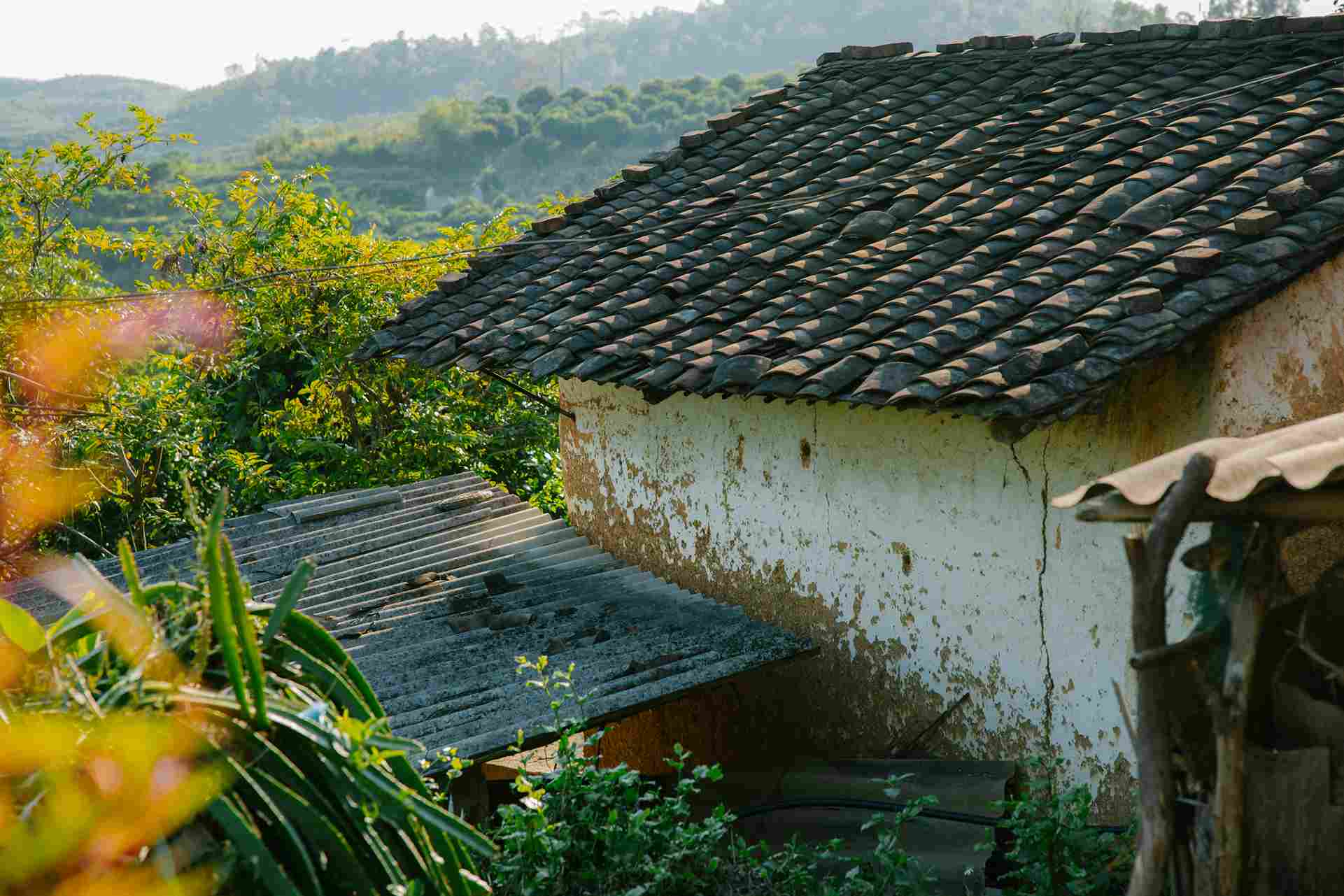
Land houses located on low slopes. The walls are dark brown, rough over the years, and some places have cracked slightly. The yin and yang tiled roof is covered with old moss. The thin wooden doors are simple, with many gaps. Inside the house, there are still old items such as bulging TVs, rice jars or faded hanging paintings.
People said that most of the ancient houses are currently lived by the elderly and middle-aged families, while young people have gradually built brick houses and concrete houses.
Friend Pham Ngoc Linh, a tourist from Hanoi, said that this is the second time returning to Bac Hoa. In his first visit to the village through a field trip to Bac Giang (now Bac Ninh), Linh was impressed with the pristine beauty and ancient architecture here, so he decided to return with his camera.
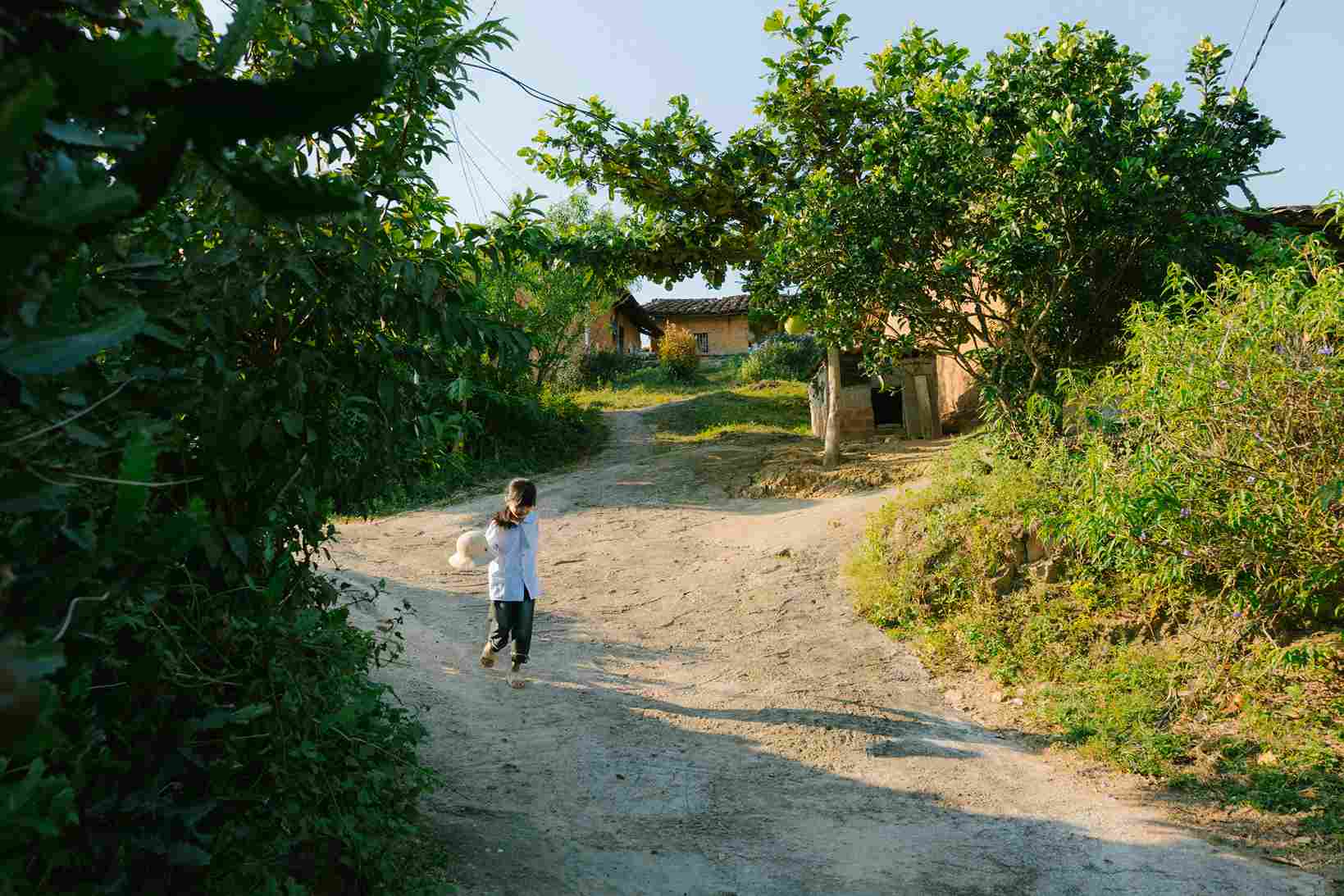
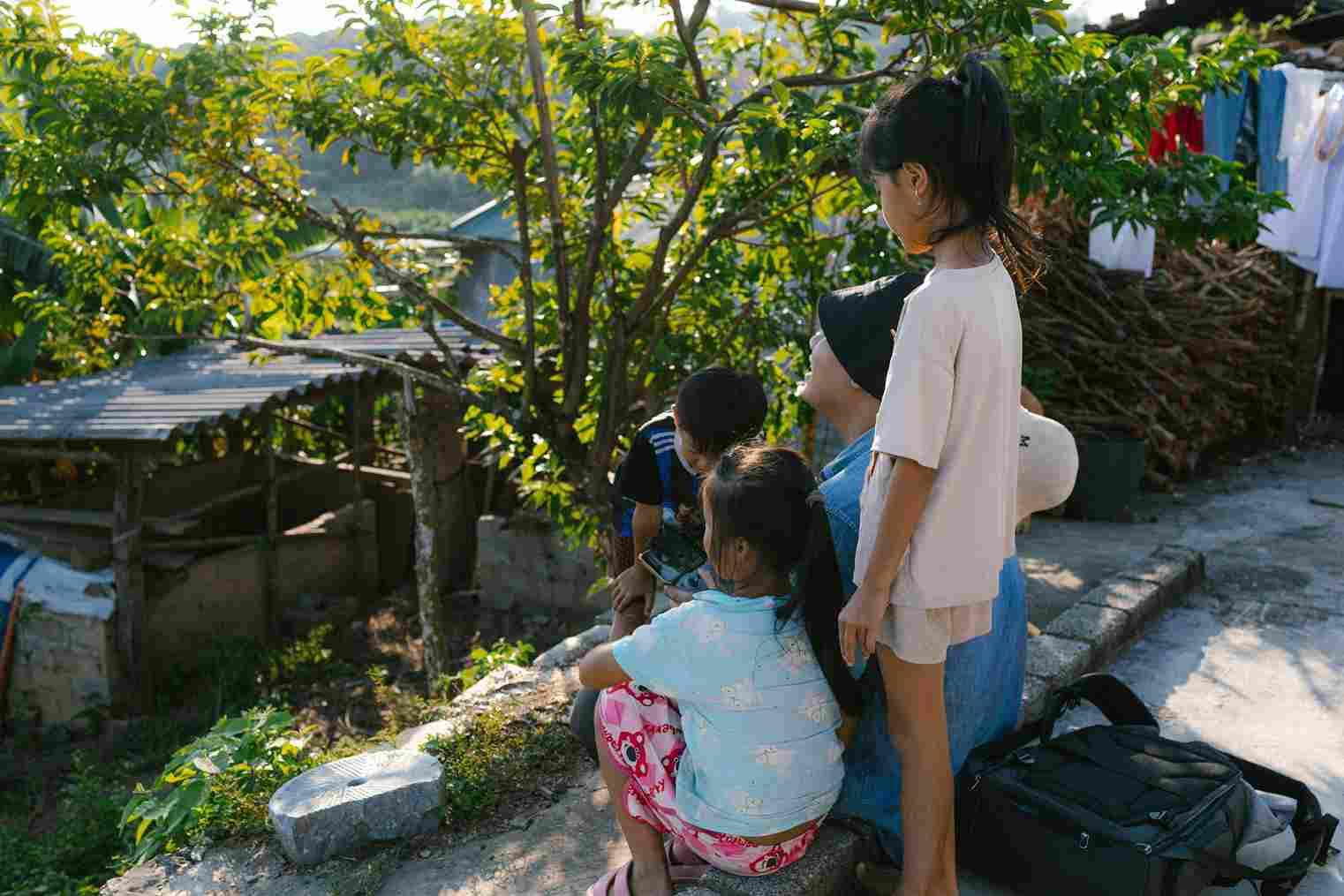
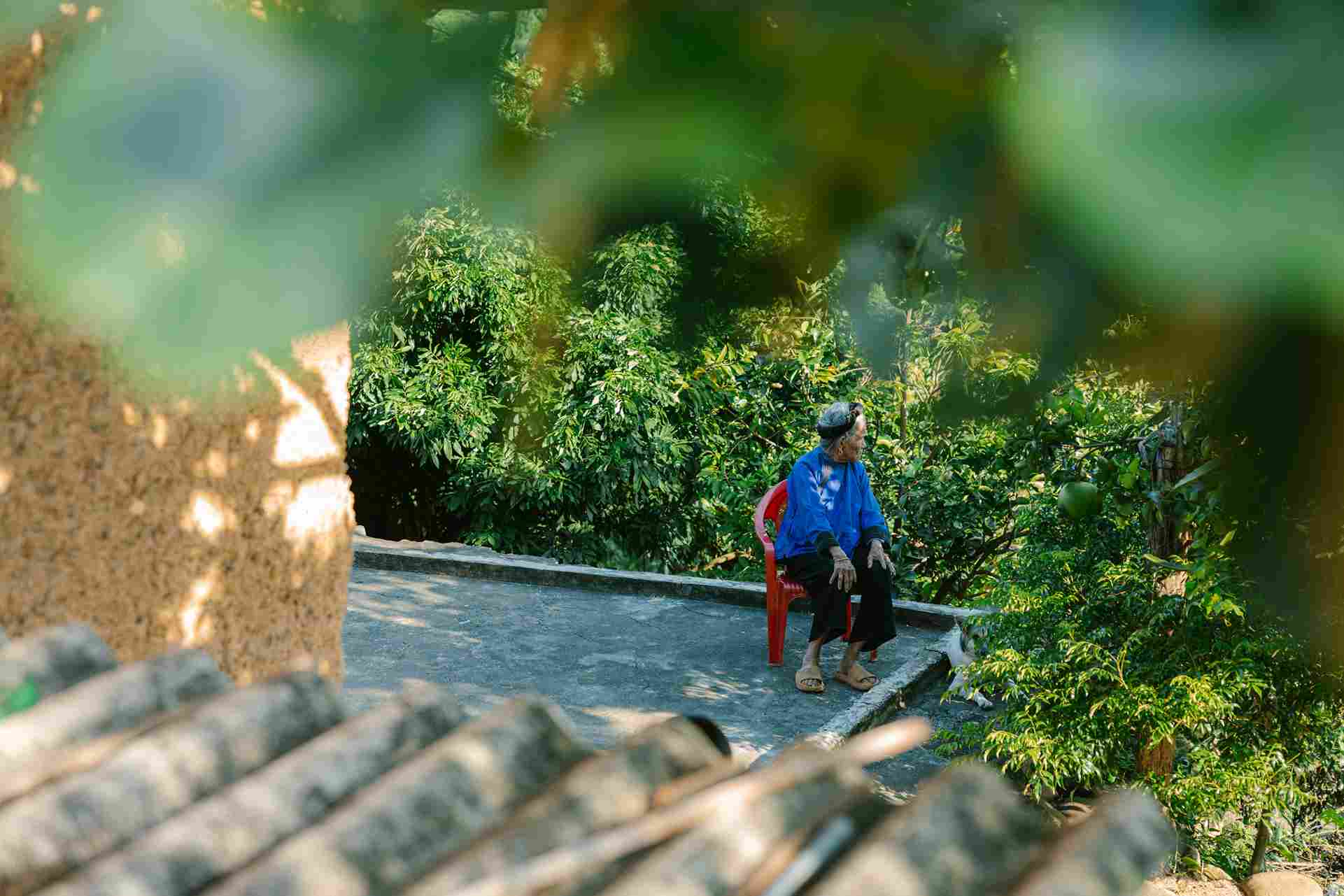
What I like most about Bac Hoa is the tranquility and the very real feeling. The dirt houses, the sound of children playing in the yard or the scene of people sitting and picking corn in front of the door make me feel like I am returning to a countryside from many years ago," Linh shared.
Childhood in Bac Hoa still has a rare innocence. The children do not stare at their phones but wander around the village, climb trees to pick fruit, gather in the yard of the cultural house or excitedly tell about the time they went to eat fried chicken a year ago.
What makes Bac Hoa leave many emotions is not only the old earthen houses, but also the leisurely rhythm of life of the people here. In the afternoon, they work around the yard, and when they meet strangers, they greet them warmly. People in the village chat with each other in Nung language, but always enthusiastically talk to guests in Kinh language.
Among many ancient villages that are gradually being commercialized, Bac Hoa still retains its pristine and simple beauty. Not noisy, no bustling tourism services, the small village quietly preserves the lifestyle, architecture and memories of the Nung community through many generations.


