
According to travel businesses, in 2026, the trend of hunting for cheap summer tours, especially among young customers, is quite clear and reflects changes in the approach to travel. This is a group of customers with high travel frequency, prioritizing experiencing many times a year. Therefore, they tend to optimize costs to allocate budget for many different journeys.
From a market perspective, Ms. Le Thuy Nhung - Deputy Director of the Northern Retail Center (Vietravel) - said that this is a positive sign when it shows that tourism is becoming increasingly popular and accessible. However, "cheap prices" today are no longer simply the lowest price, but are understood as reasonable costs compared to the value received.
Ms. Nhung further noted that to ensure a complete trip, tourists need to approach in a proactive direction to control information and assess the actual value, instead of just relying on the initial price. Accordingly, the first thing is that tourists need to carefully review the tour price structure.
“Tourists should clearly check what services the program includes, hotel standards, meals, entrance tickets, transportation... and especially possible expenses during the journey. Some tours have low initial prices but actual costs may increase due to non-inclusive services or surcharges at the destination,” Ms. Nhung analyzed.
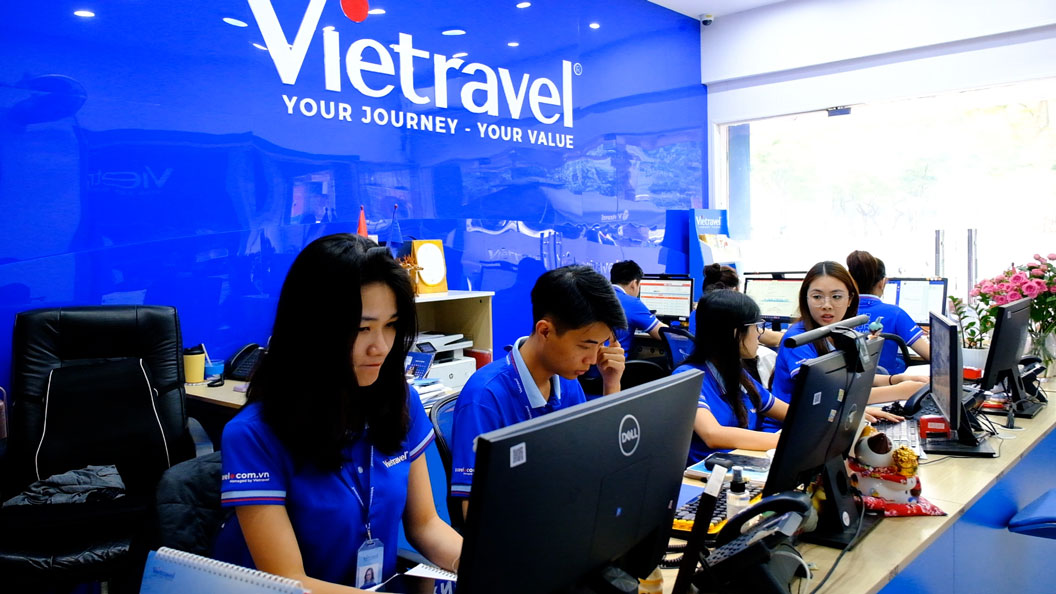
Second, tourists need to pay attention to the transparency of information. Programs with clear information about itinerary, service conditions, destruction policy and accompanying benefits will help tourists be more proactive in making decisions. Conversely, products advertised at too low prices but lacking detailed information need to be carefully considered.
In addition, choosing a reputable travel agency with organizational capacity is an important factor. In fact, the difference is not only in the price but also in the tour operation, situation handling ability and service quality assurance. Especially during peak periods, a professional unit will help limit risks and ensure a consistent experience.
In addition, tourists should prioritize products with clear overall value, instead of just focusing on the lowest price. A tour with a reasonable price, full service, less incurred costs and additional benefits such as gifts, vouchers or experience upgrades usually brings better efficiency in terms of actual cost.
Finally, tourists need to adhere to the basic principle of multi-source comparison and not making decisions too quickly. Referring to multiple channels, comparing information and evaluating from previous customers will help minimize risks and choose the right product.


