
These are considered "red addresses" not only of Vietnam National Coal - Mineral Industries Holding Corporation Limited (TKV) - a place that preserves unique cultural and historical values associated with the revolutionary struggle tradition and the creative labor spirit of generations of miners.
3 national historical sites
The national historical relic of Nga Tu road to Deo Nai mine (the place that started the general strike of more than thirty thousand miners on November 12, 1936) is a symbol of the strength of solidarity and the tradition of "Discipline and Unity" of coal mining workers.
From mid-1936, the revolutionary struggle movement throughout the country developed very strongly, deeply affecting the mining workers' movement. On November 12, 1936, leaflets calling for resignation to prepare for struggle covered the mine area. Early the next morning, many leaflets and posters calling for struggle continued to appear at intersections, entrances to the mine floor... In just two hours, the strike spread everywhere and the most concentrated place of the strikers was in the Troc mountain area (now the Intersection of roads to Deo Nai mine). By 2 pm on November 14, 1936, the remaining part of Cam Pha workers also had a strike and the number of participants reached more than ten thousand people.
The news of the Cam Pha workers' strike victory encouraged workers from other places such as Hong Gai, Dong Trieu... to also hold strikes and created a strong wave of struggle, with more than thirty thousand miners and workers in the Mining area participating.
In 1996, the Ministry of Culture and Information (now the Ministry of Culture, Sports and Tourism) issued a decision recognizing the ranking of the starting place of the General Strike of thirty thousand miners on November 12, 1936 as a national historical relic.
National historical relic Cluster of Pooc Bridge historical relic site No. 1 - Anti-aircraft artillery battlefield - Command bunker of Cua Ong Coal Selection Enterprise - a place marking the years of both production and fighting to protect the mine area.
Notably, on November 7, 1929, comrade Ngo Huy Tang hung the Red Hammer and Sickle flag on the main bridge to commemorate the 12th anniversary of the Russian October Revolution.
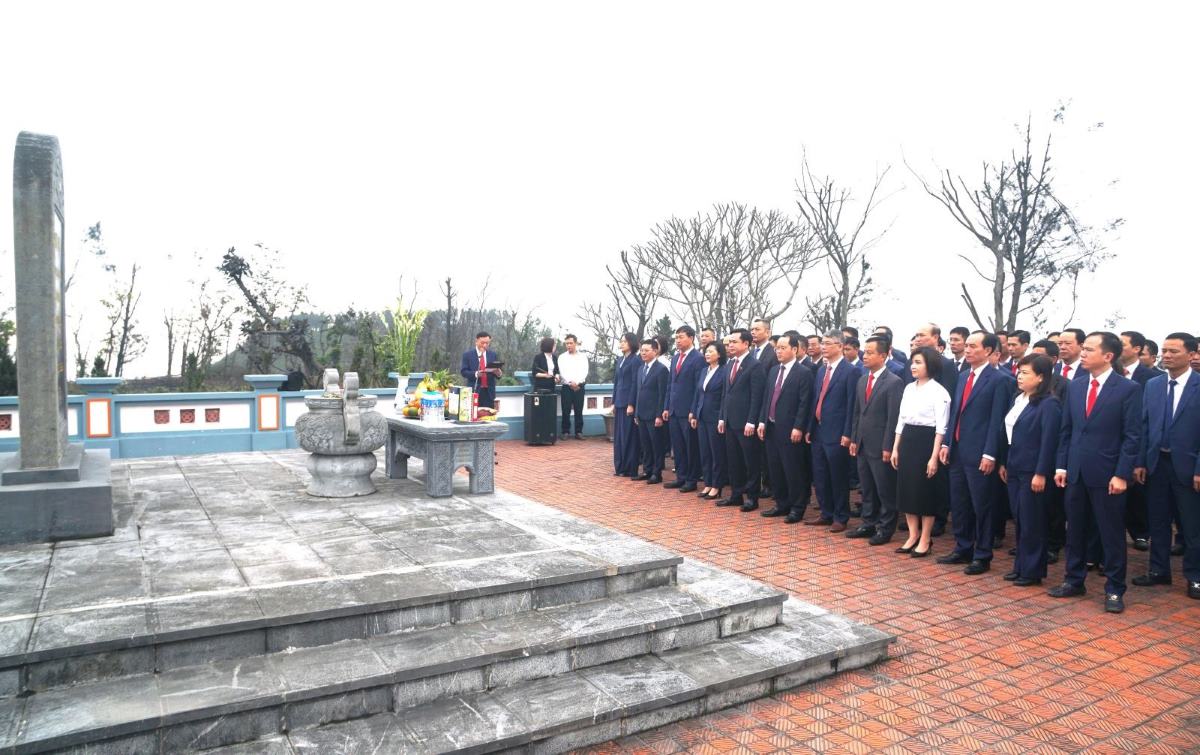
National historical relic The place where Uncle Ho visited the Deo Nai mine in 1959 - a place that preserves the feelings, deep concern and advice of President Ho Chi Minh to officials and workers of the coal industry.
Right from the early days of its establishment, the Deo Nai coal mine had a special position and was always a large coal production unit of the Vietnamese coal industry. This is also one of the cradles of the workers' movement, the place where the strike of tens of thousands of miners broke out in 1936. It is because of that special position that Deo Nai is the only unit of the coal industry to welcome Uncle Ho to visit.
With outstanding values, at the end of October 2016, the Ministry of Culture, Sports and Tourism issued a decision to rank the National Relic for the historical relic of the Memorial Site of Uncle Ho visiting the Deo Nai coal mine on March 30, 1959.
3 provincial-level historical sites
One of the important milestones marking the beginning of Vietnam's coal mining industry was December 6, the 20th year of Minh Mang's reign (Ky Hoi), i.e., January 10, 1840, when King Minh Mang approved Governor-General Ton That Bat's petition allowing coal mining in the Yen Lang mountain area, now belonging to Mao Khe ward, Quang Ninh province.
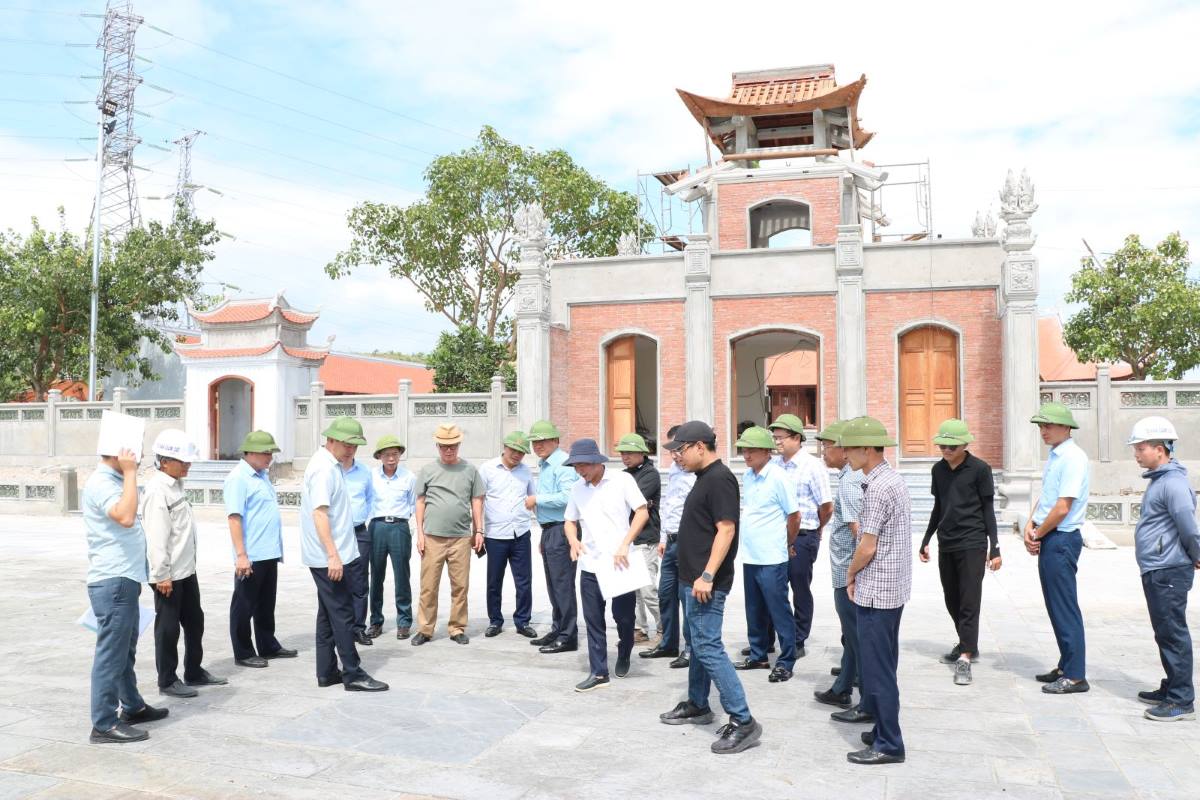
This place is called Mieu Mo by people in the industry. Vietnam National Coal - Mineral Industries Holding Corporation Limited (TKV), from the early days of its establishment, has implemented the project to restore Mieu Mo relic in Yen Tho. The Corporation, together with the Hue Ancient Citadel Relic Preservation Center, searched for and restored the edict of King Minh Mang dated January 10, 1840, and the coal industry has taken this day as the historical day of the industry.
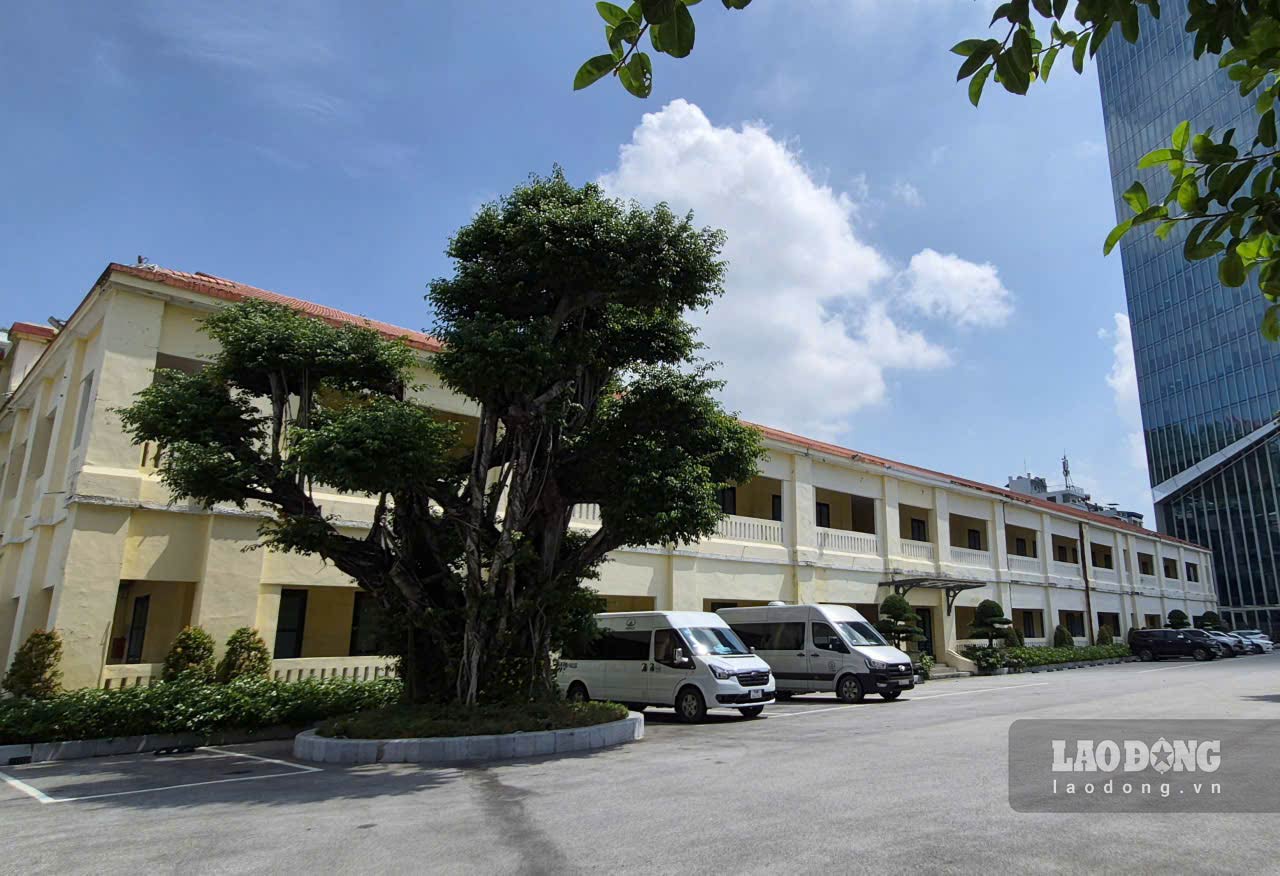
Along with that is the historical relic Headquarters of French Coal Company Bac Ky (SFCT), built by the French in 1888. This relic is located in Hong Gai ward, Quang Ninh city, used by TKV as headquarters for many years and is basically intact to this day. Currently, TKV is building this relic into a coal museum.
The Mong Duong vertical well historical and cultural relic is a witness to the development of tunnel mining technology, and also marks the persistent, creative labor spirit and will to overcome difficulties of generations of miners.
This well was first dug by the French colonialists in 1934, during colonial exploitation in Vietnam and was also the first vertical well in Vietnam.
Currently, Mong Duong vertical well is still being repaired, maintaining its current state, both preserving and exploiting it.


