
At a recent working session between Quang Ninh City People's Committee and Vietnam National Coal - Mineral Industries Holding Corporation Limited (TKV), Mr. Bui Van Khang - Chairman of Quang Ninh City People's Committee - requested TKV, in addition to coal mining activities, to study conversion and take advantage of some suitable mining infrastructure and spaces to develop tourism. This proposal aims to open up a direction to exploit a special tourism resource of Quang Ninh.
Previously, Lao Dong Newspaper also had some articles about coal tourism resources - a "gold mine" that is still dormant.
Accordingly, besides Ha Long Bay, Yen Tu, Quang Ninh owns open-pit coal mines, underground mines with unique geological landscapes and a rich cultural and historical history of the mining industry.
Not only landscapes, these spaces are also associated with the story of labor, creativity and dedication of many generations of miners who have brought "black gold" to the country.
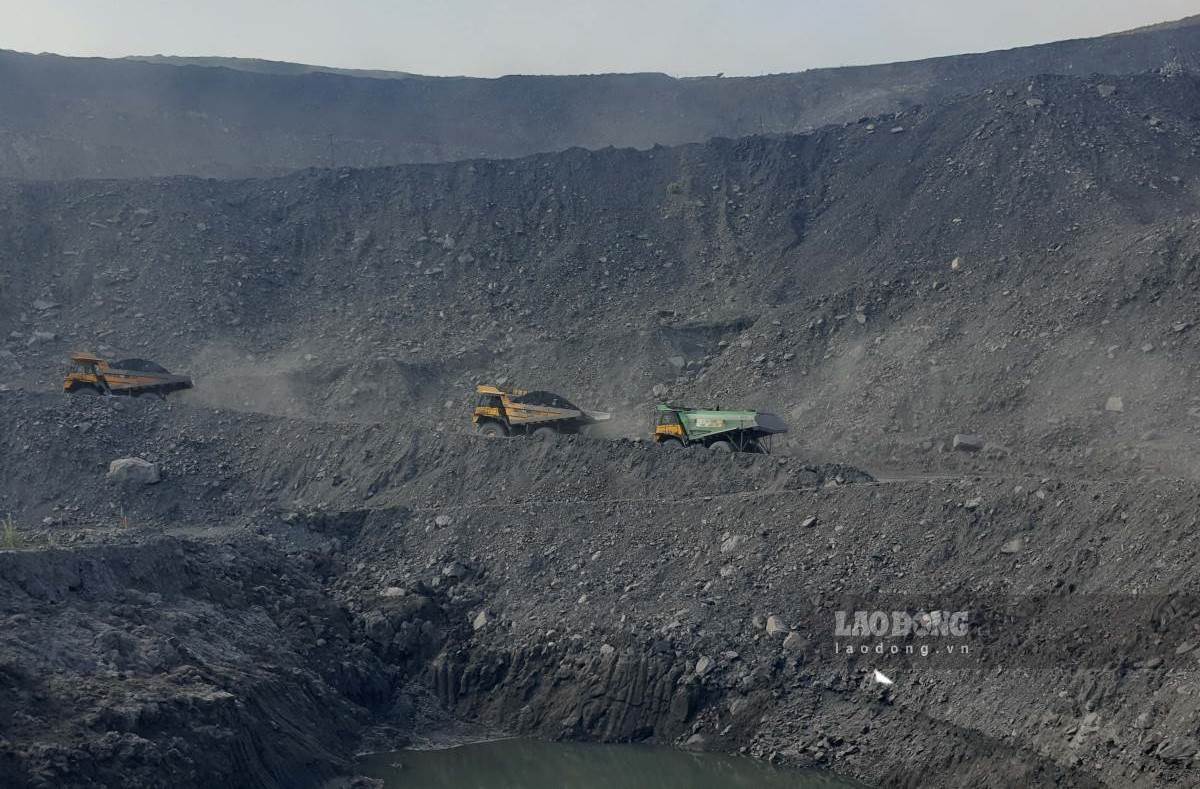
This is considered a rare resource to form unique tourism products. In particular, coal mines that have stopped exploitation can become new experience spaces if researched and organized appropriately, ensuring safety and efficiency.
In fact, the idea of bringing tourists to the coal mine has been raised for many years.
In 2006, the Quang Ninh Department of Culture, Sports and Tourism coordinated with a number of travel businesses to pilot a tour to visit the open-pit mining site of Ha Tu Coal Joint Stock Company, former Ha Long City. However, the program only took place for a short time and then stopped, mainly due to safety concerns.
After that, many travel businesses continued to propose allowing tourists to visit production facilities and relics of the coal industry to increase the experience. But these ideas have not yet become practical tourism products.
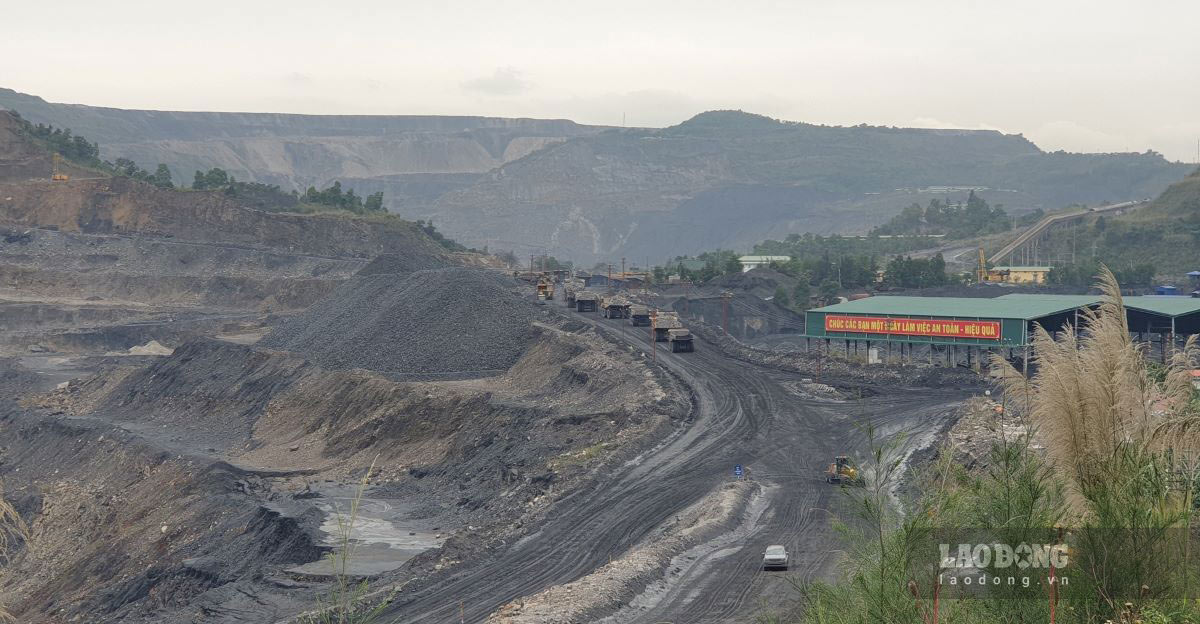
Not only coal mines and tunnels, many works and spaces associated with the history of the coal industry also have the potential to become unique tourism products.
TKV is managing 6 historical sites in Quang Ninh, including 3 national-level historical sites and 4 provincial-level historical sites. These are valuable tangible cultural heritages, not only serving traditional education, but also potentially becoming a resource for historical and cultural tourism products.
Three national-level historical relics include: The historical relic of Nga Tu road to Deo Nai mine - the starting point of the general strike of more than 30,000 miners on November 12, 1936, a symbol of the strength of solidarity and the tradition of "Discipline and Unity" of miners in the Coal Region.
The Pooc Tich Bridge No. 1 historical relic complex - Anti-aircraft artillery battlefield - Command bunker of Cua Ong Coal Selection Enterprise marks the years of both production and combat to protect the Mining Region. Notably, on November 7, 1929, comrade Ngo Huy Tang hung the Red Hammer and Sickle flag on the main bridge to commemorate the 12th anniversary of the Russian October Revolution.
The third relic is the location where Uncle Ho visited the Deo Nai mine in 1959 - a place that preserves the feelings, deep concern and advice of President Ho Chi Minh to officials and workers of the coal industry.
Provincial-level relics include: The first coal mining site of Vietnam, associated with the milestone of January 10, 1840, when King Minh Mang approved Governor-General Ton That Bat's petition allowing coal mining in Yen Lang mountainous area, now belonging to Mao Khe ward, Quang Ninh province.
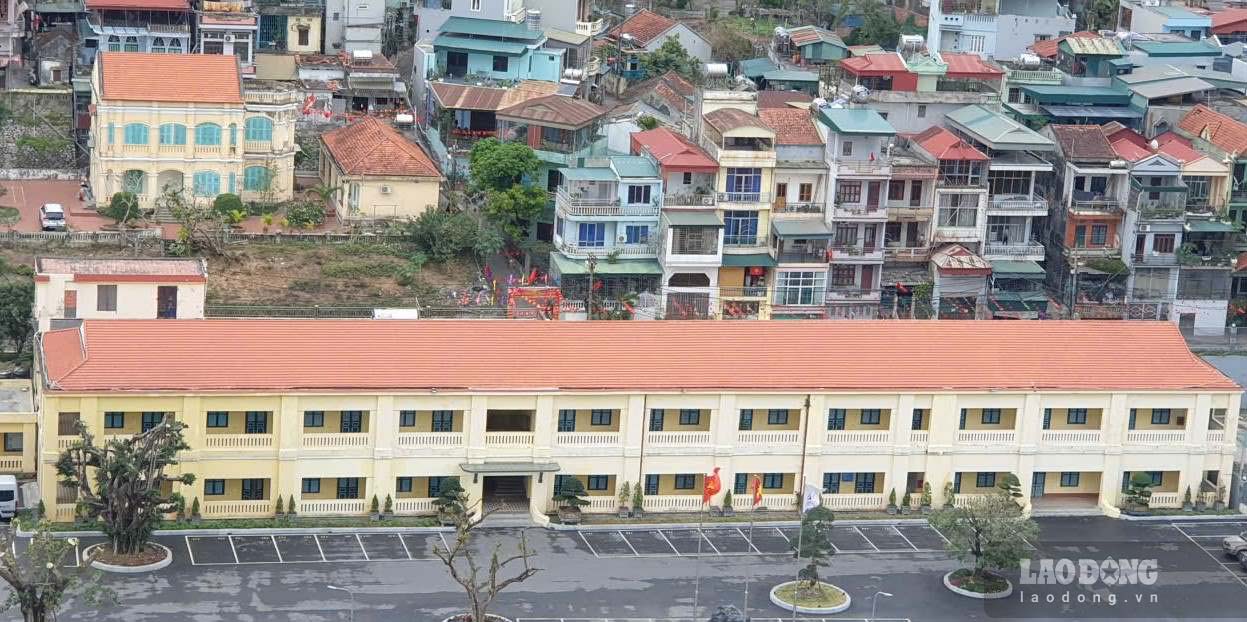
Along with that is the historical relic of the Headquarters of the French Coal Mining Company of Bac Ky (SFCT), built in 1888, basically intact to this day, bearing the architectural and historical imprint of the colonial mining period, reflecting the stage of formation of the coal industry in the Mining region.
The Mong Duong vertical well historical and cultural relic is a witness to the development of tunnel mining technology, and also marks the persistent, creative labor spirit and will to overcome difficulties of generations of miners.


