
The seminar was chaired by Deputy Minister of Culture, Sports and Tourism Ho An Phong, with the participation of leaders of the Vietnam National Authority of Tourism, representatives of localities and many tourism businesses.
Tourism is a key economy
Speaking at the seminar, Deputy Minister of Culture, Sports and Tourism Ho An Phong said that Vietnam is entering a new stage of development with the goal of maintaining a double-digit growth rate by 2030, aiming to become a developed country by 2045.
In that process, tourism is identified as a key economic sector, playing an important role in promoting the overall growth of the country.
Deputy Minister Ho An Phong said: "After 9 years of implementing Resolution No. 08-NQ/TW of the Politburo on developing tourism into a key economic sector, we have achieved certain achievements. However, the new context requires a more breakthrough thinking.
Mr. Ho An Phong said that the Ministry of Culture, Sports and Tourism is urgently developing a Project to summarize Resolution 08-NQ/TW to propose to the Politburo to issue a new resolution, creating a legal corridor to promote stronger tourism development in the coming time.
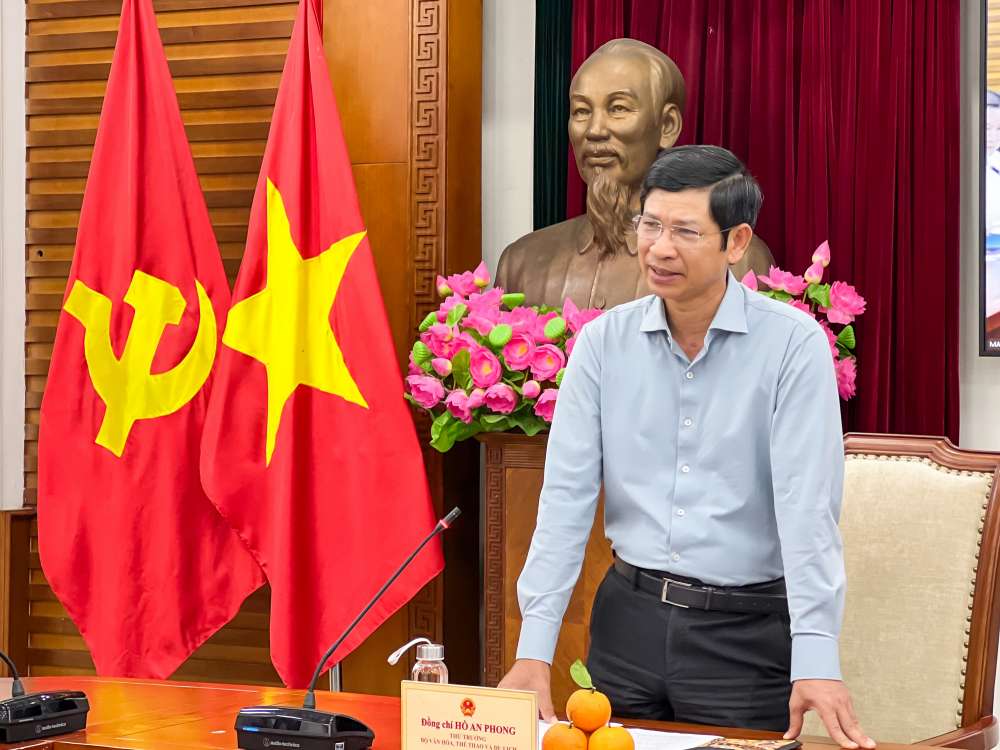
Deputy Minister Ho An Phong also emphasized: "Tourism operates locally, at destinations and by businesses, therefore, the voice from practice is a "life-or-death" factor for the quality of the Project and resolution." At the same time, he requested delegates to focus on contributing opinions on building a transparent and open legal corridor, pointing out the "bottlenecks" that are hindering the development of localities and businesses to complete the Project.
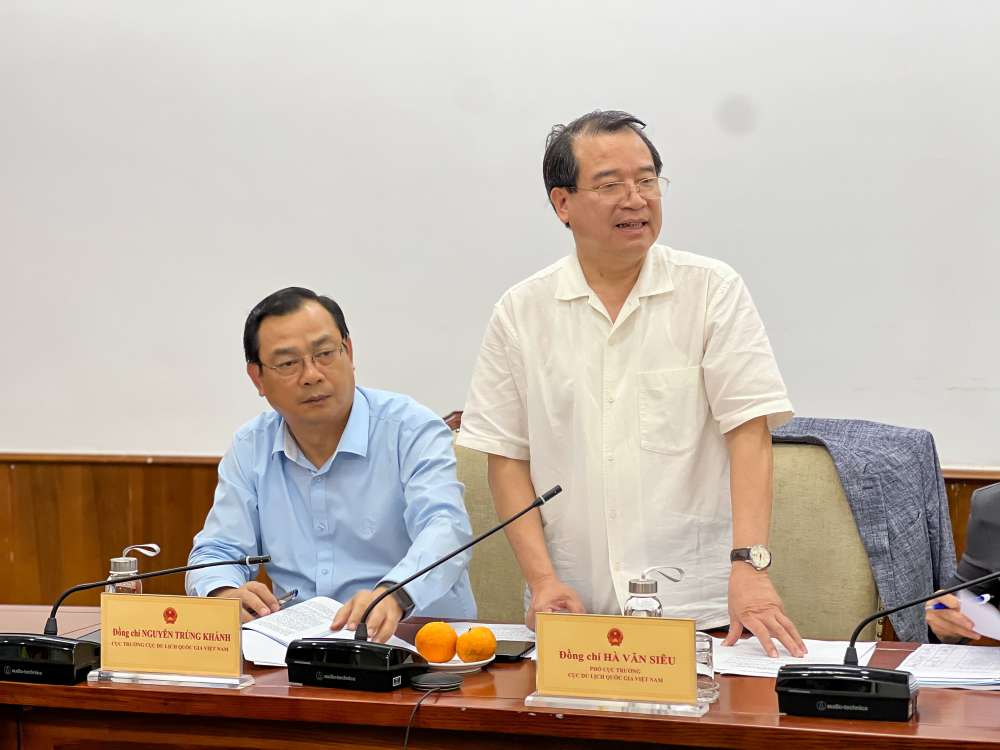
Speaking at the seminar, Deputy Director of the Vietnam National Authority of Tourism Ha Van Sieu said that the discussion content focused on identifying the shortcomings, limitations and causes to propose breakthrough solutions for the new development stage of the tourism industry.
According to him, the draft Project currently identifies 8 key groups of solutions, from perfecting institutions, developing infrastructure, restructuring the market, raising promotion to developing human resources, digital transformation and building green, smart, and sustainable destinations.
Mr. Ha Van Sieu affirmed: "The opinions contributed at the seminar will be an important basis for completing the Project, ensuring that tourism development policies in the coming period become substantive, creating specific and sustainable effective results.
Bottleneck
At the seminar, many delegates focused on analyzing bottlenecks affecting the development of Vietnamese tourism such as operating mechanisms, regional linkages, infrastructure investment, promotion, service quality, digital transformation or human resource training.
Many opinions suggest that more synchronous and drastic solutions are needed to improve the competitiveness of Vietnamese tourism in the new period.
Sharing at the seminar, Director of Tuyen Quang Department of Culture, Sports and Tourism Nguyen Trung Ngoc assessed that the orientation of shifting from quantity growth to improving tourism quality is in line with the current trend. According to him, although Vietnam welcomes a large number of international visitors, the spending level of tourists is still not high, and the value brought to the economy is still limited.
Mr. Nguyen Trung Ngoc said that Vietnam needs to create attractive enough products to stimulate tourist spending. At the same time, Mr. Ngoc emphasized that this is not only the task of the tourism industry alone but also needs the synchronous coordination of many other fields such as industry and trade and product development for tourism.
Proposing solutions for the next period, Deputy Director of Quang Ninh Department of Culture, Sports and Tourism Nguyen Thuy Yen said that tourism product development needs synchronous coordination with many fields such as industry and trade, agriculture, transportation or healthcare.
According to Ms. Yen, it is necessary to prioritize the development of products with high cultural content, associated with the cultural industry, and at the same time remove obstacles in mechanisms to develop night tourism.
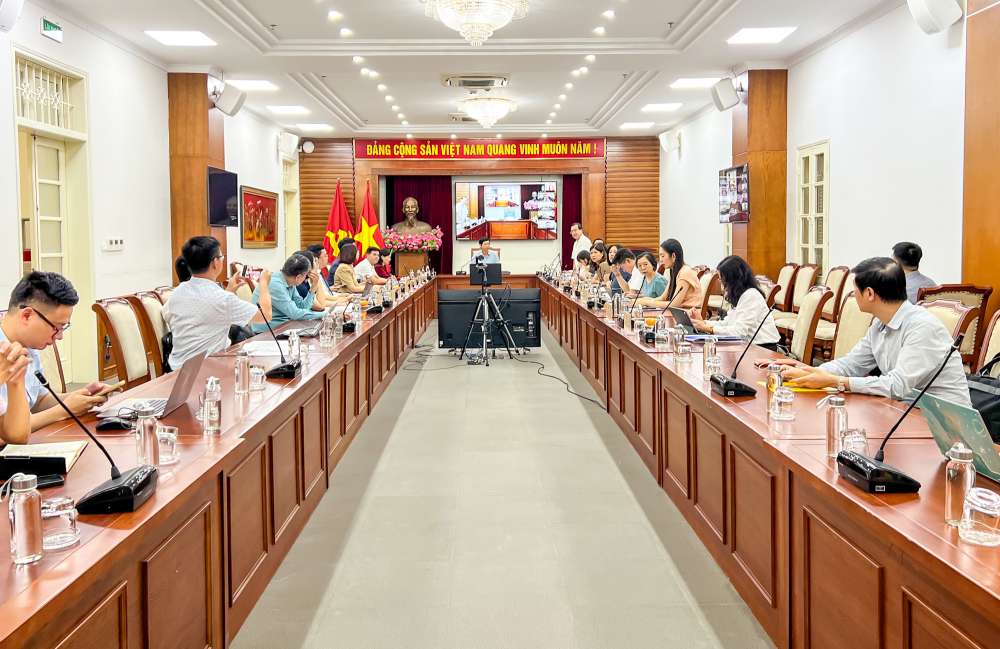
Representatives of VietJet Aviation Joint Stock Company said that Vietnam's tourism promotion work is still not clearly positioned in key markets.
Therefore, businesses propose to innovate promotional activities in a focused, in-depth direction and clearly identify target customer groups to create a stronger impression for the Vietnamese tourism brand in the international market.
In addition, VietJet representatives also said that visa policy is still one of the key factors affecting the competitiveness of Vietnamese tourism.
Businesses propose to study expanding visa validity many times for some groups of customers with regular needs to create more favorable conditions for business, investment and tourism activities.


