
Overloaded "hot spots" of tourism during peak season
The 9-day Tet holiday recorded a clear resurgence in domestic tourism. However, alongside the growth figure is great pressure on infrastructure and services in many localities.
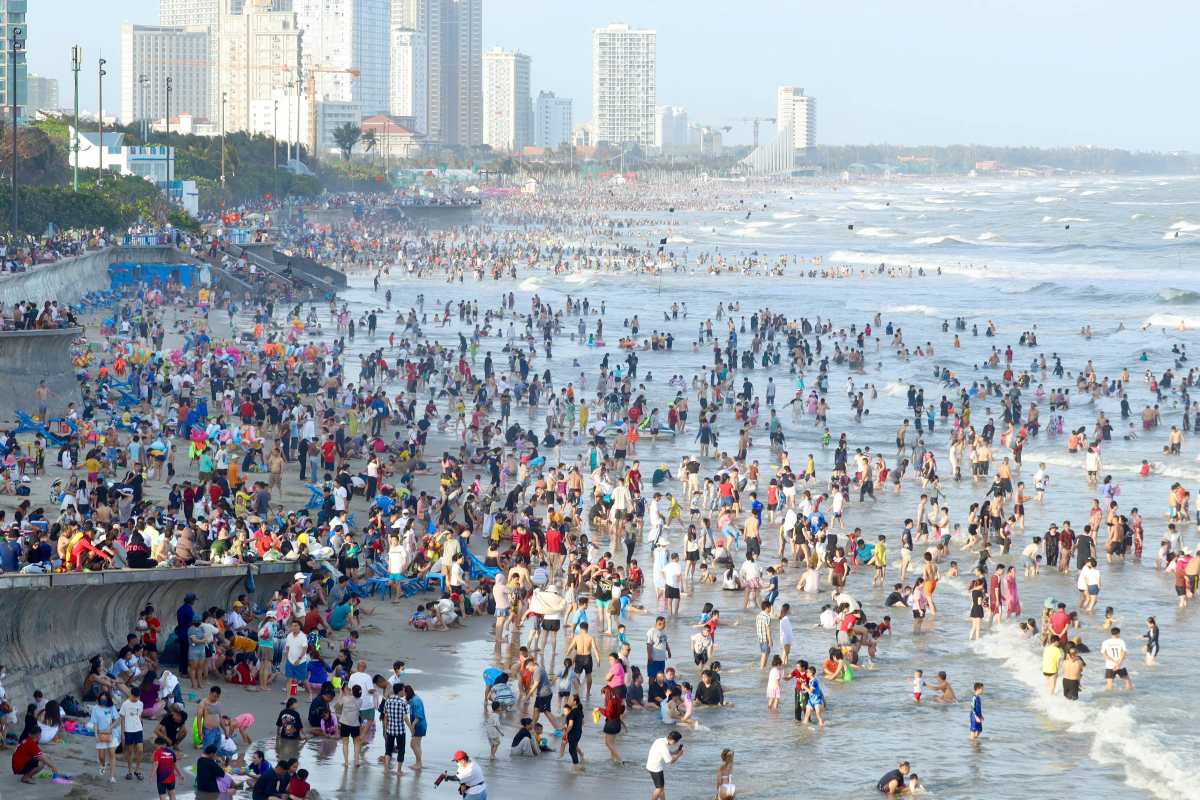
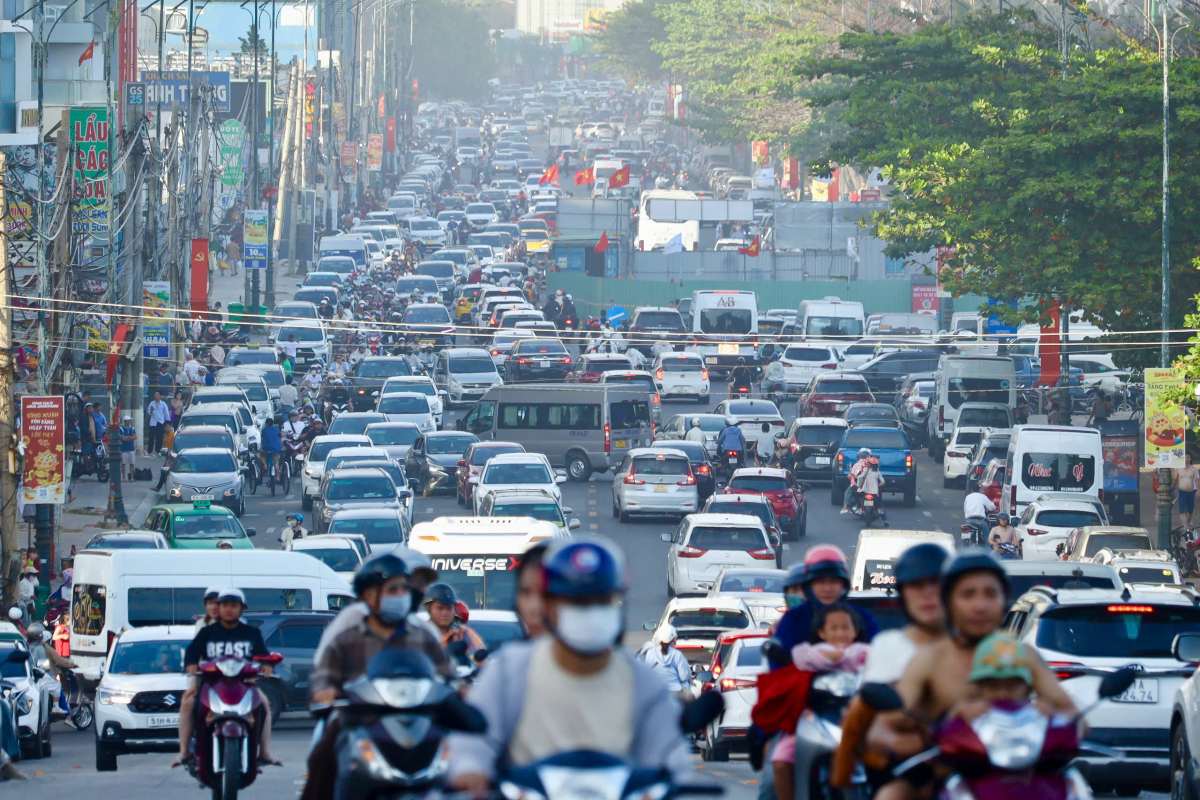
Images of busy highways, crowded wharves, and crowded beaches reflect the reality that tourism is growing rapidly but the ability to coordinate the flow of tourists has not kept up.
Mr. Nguyen Van Hieu - General Director of Vitamin Tour & Events - said that this Tet, the business recorded an increase of about 15-20% in domestic customers compared to the same period.
Northern destinations such as Sa Pa, Ha Long, Hanoi, Trang An; Central region such as Da Nang; Southern region such as Da Lat, Nha Trang, Vung Tau, Phu Quoc all achieve very high capacity in the first days of the new year," he said.
According to Mr. Hieu, the Tet 2026 picture is more vibrant than in previous years in terms of both scale and spending. Tourists are willing to pay for good services, but the behavior still focuses on some familiar "hot spots" and a few fixed peak days. This is the reason why the overload situation has been repeated for many years.
Regulation by technology and regional linkage to avoid "failure
Mr. Hieu said that there are three main reasons for overload. The first is the very high seasonality of the Tet holiday, when demand accumulates over 5-7 days. The second is the psychology of choosing safe and branded destinations of tourists.
For example, Northern tourists often tend to travel for vacation or visit the blooming flower season in the Northwest region. Central tourists prefer to go to the beach in Nha Trang, Da Nang or relax in the ancient capital of Hue, Hoi An. For Southern tourists, Vung Tau, Da Lat are ideal destinations for the Lunar New Year," Mr. Hieu said.
Finally, Mr. Hieu said that the uneven planning and distribution of passenger flows, lack of real-time regulation mechanisms are the reasons leading to overload and passenger congestion on peak days.
Overload is not necessarily due to lack of resources, but due to lack of effective management and coordination tools at peak times," he emphasized.
From a business perspective, the infrastructure investment problem is also challenging. "If investing according to the "peak", the risk of excess capacity in 9-10 low-point months is very high, increasing fixed costs and prolonging the recovery time. Conversely, if only investing according to average demand, peak periods will easily'break down'," he analyzed.
Therefore, according to Mr. Hieu, the solution is not to expand massively but to develop flexible infrastructure, which can adjust capacity according to the season. In addition, it is necessary to strengthen regional linkages to diversify tourists to nearby destinations, and at the same time promote off-season products, cultural events - festivals all year round to stretch demand...
In particular, technology is considered the key to regulating tourist behavior.
Selling tickets by time frame, limiting the number of passengers per day, providing real-time data on passenger density or applying flexible price policies by time can all contribute to regulating the flow of passengers. When tourists clearly see the risk of crowding or price differences between peak and low points, they will consider changing their itinerary," Mr. Hieu said.
This expert also believes that it is important for localities and businesses to share data with each other, instead of each operating unit operating separately.
It is impossible to manage peak tourism with traditional administrative thinking. Data, technology, response scenarios and multi-party coordination are needed. Otherwise, rapid growth will be accompanied by risks to destination image," he said.
Tet 2026 shows that domestic tourism demand is still very strong. According to Mr. Hieu, the issue of the industry today is no longer whether there are customers or not, but how to manage the visitor flow to achieve sustainable growth, ensure visitor experience and maintain the destination brand in the long term.


