
Why is this happening?
Located next to Ninh Kieu Wharf, Can Tho Market (or Can Tho Ancient Market) was built in 1915, once a bustling wholesale market of the Mekong Delta region.
Currently, the market mainly sells souvenirs to serve tourists. According to Lao Dong's records, many kiosks inside have closed, the trading scene has become deserted. Some small traders said that the number of customers has decreased sharply, many people have to try to hold on or consider leaving the stall.
Cultural researcher and writer Nham Hung believes that the first reason lies in the management and exploitation that has not really focused on the role of the ancient market as a highlight of Ninh Kieu Wharf. The lack of attention for a long time has gradually reduced the attractiveness of the ancient market, not in terms of architecture but mainly in the "content" of operations inside.
Once called a market hall, the center must be goods. Goods here must be tourist gifts and souvenirs with local identity so that tourists can buy them as souvenirs or as gifts. In fact, such products are very lacking" - he said.
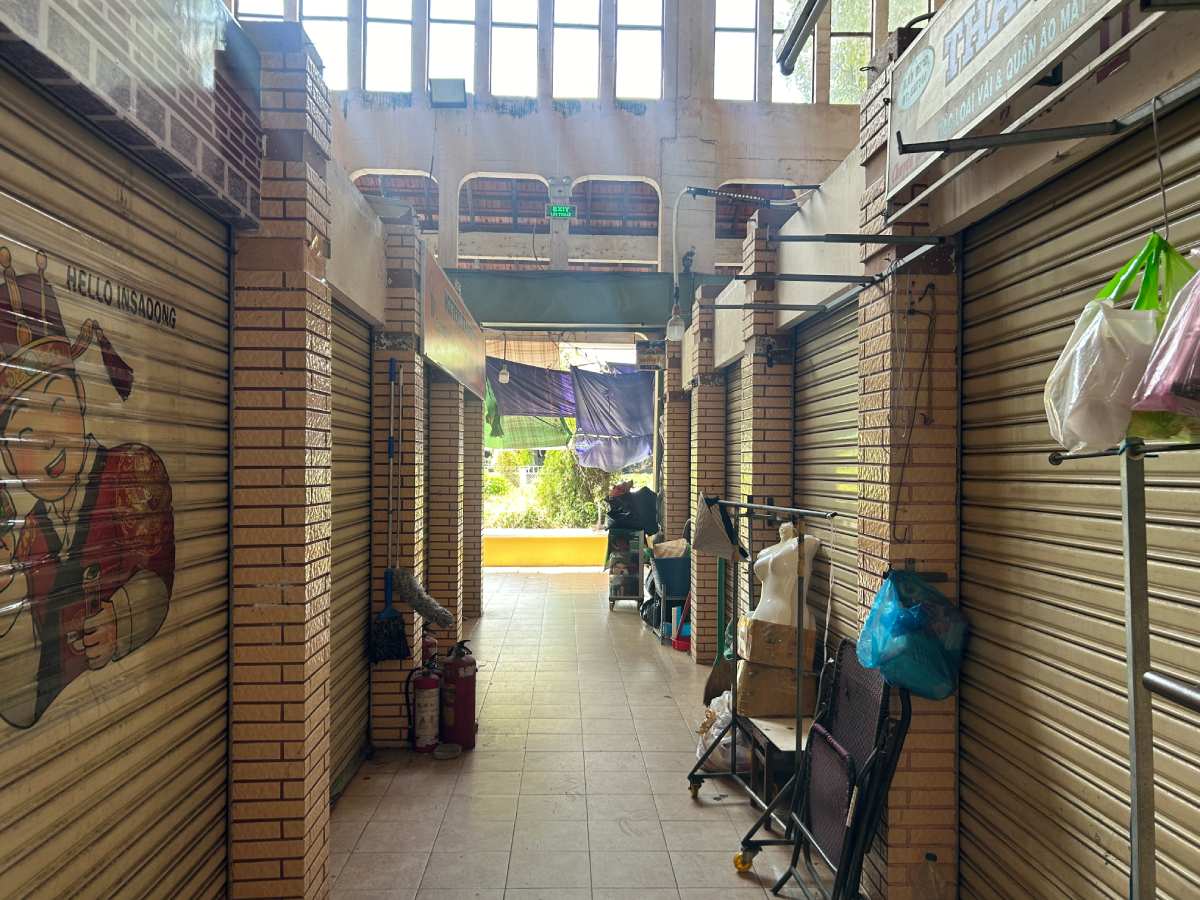
According to Mr. Nham Hung, many items sold at the ancient market come from other localities such as: Hanoi, Hue City, Non Nuoc stone products (Da Nang) or old Ben Tre handicrafts. These items do not reflect the unique identity of Can Tho, making it difficult for tourists to find a typical product of the Tay Do land.
Tourists coming here often want to find a typical souvenir of Can Tho, but going around, they see products that have been sold in many other places. This is the core weakness that makes it difficult for the ancient market to retain tourists" - he analyzed.
Combining "on the wharf, under the boat" activities
From that reality, he believes that the first solution to "awaken" the ancient market is to build a system of tourism gift products with local identity. This is not only a need of the ancient market itself but also a common problem of many tourist destinations and hotels in Can Tho when there is still a shortage of typical souvenir products.
Besides typical goods, the interior space of the market also needs to be renewed. According to him, although it is named the ancient market, the space still needs to be reorganized in a scientific, neat and more attractive direction.
The researcher also emphasized that the ancient market should not exist as an isolated point but should be connected to surrounding tourism products. With its location right next to the river and located in the Ninh Kieu wharf complex, the market can completely connect with river tourism routes, operating "on the wharf, under the boat" - a characteristic of the Mekong Delta river culture.
In addition, he believes that it is necessary to effectively exploit the surrounding cultural space such as pedestrian streets, street art performances, bands or light cultural activities to create a lively atmosphere for the area in front of the market.
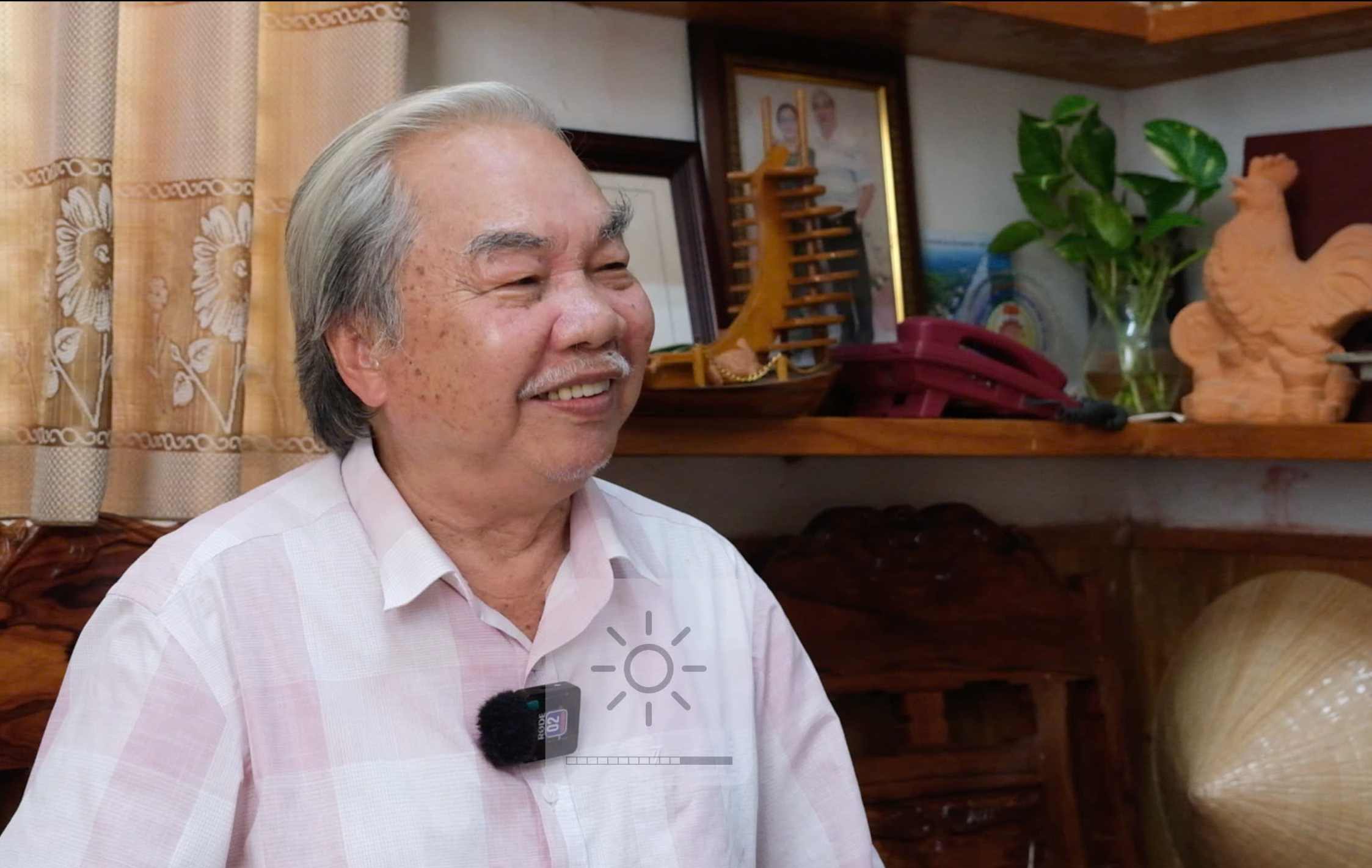
In addition, the ancient market can also become a space for performing and introducing Southern culture. According to Mr. Nham Hung, products such as ba ba shirts, ao dai, and khan ran should not only be displayed on shelves but should be "revived" through performances, cultural introductions, or exchanges and conversations about local cultural life.
When these activities take place regularly, the market will become more lively, more soulful and clearly show the cultural and commercial identity of Can Tho land" - he said.
According to him, the exploitation of the ancient market also needs a suitable management mechanism. The State can assign tourism businesses to participate in operation, but there must be a clear orientation for development towards tourism - culture.
If the ancient market really wants to become a tourism product, the exploitation unit must have tourism thinking, be dedicated to culture and understand the value of this project. If it only stops at renting out small business premises, it is very difficult to create long-term attraction" - he emphasized.


