
New school from general policy
Implementing the policy of building inter-level boarding schools in border communes, Lao Cai has implemented the first projects in Muong Khuong, Y Ty, Pha Long and A Mu Sung.
The new schools not only supplement facilities, but also create conditions for students in border areas to study and live better, helping parents feel more secure when sending their children to school.
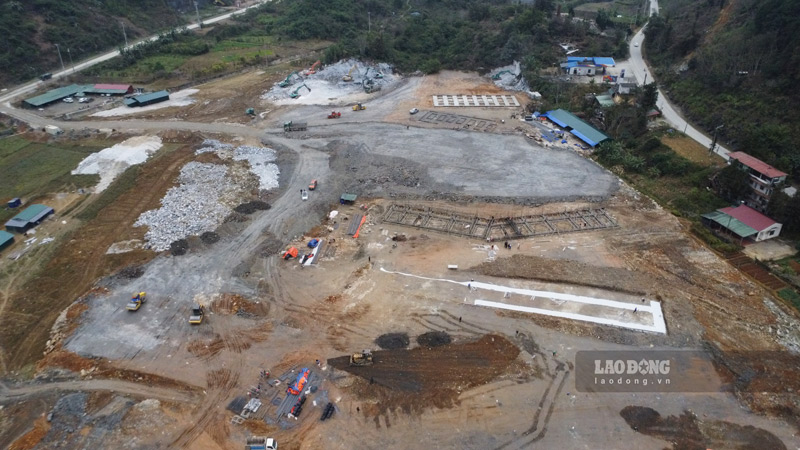
Muong Khuong is the starting point of the journey to build new multi-level boarding schools on the Lao Cai border line.
From the policy, the land in the middle of the mountains and forests quickly became a construction site. Foundations, concrete frames, classrooms, dormitories and auxiliary items took shape one after another.
After Muong Khuong, projects in Y Ty, Pha Long and A Mu Sung were implemented.
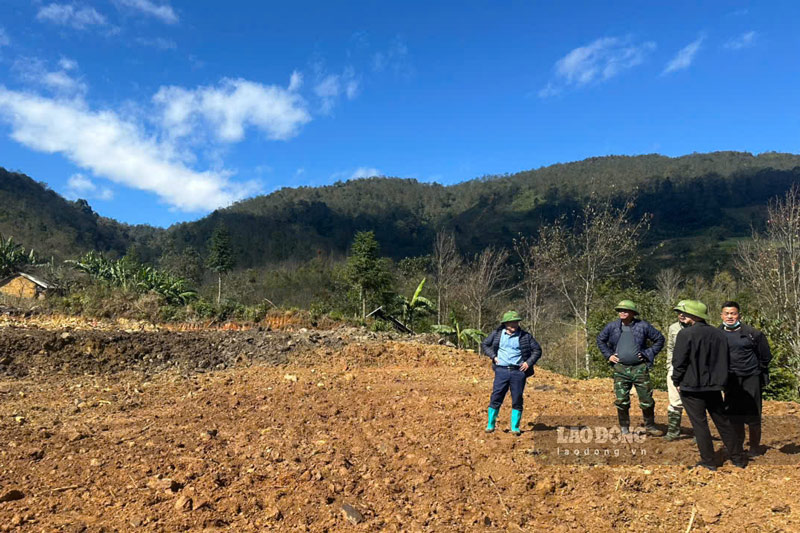
The appearance of border land areas changes every day as new rows of houses gradually appear.
Constantly changing weather also adds pressure to progress.
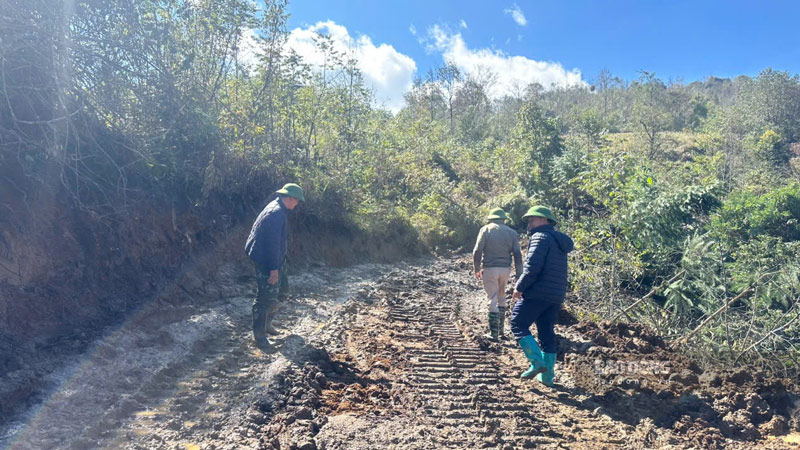
In those conditions, engineers and workers still stick to the construction site. Many construction teams are organized simultaneously, taking advantage of each favorable period of time.
As the opening day approached, personnel and equipment continued to be strengthened to complete the final items.
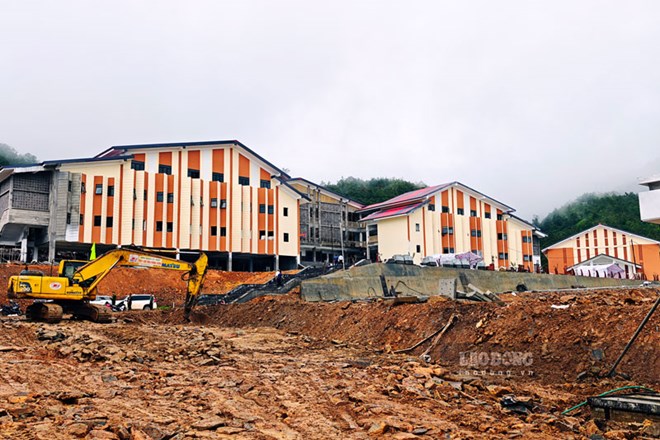
Classrooms, dormitories, schoolyards, electricity and water systems, and auxiliary works were successively completed.
Technical staff review each part of the work, workers complete the final details, preparing so that the school can welcome students on schedule.
In the last days, border guard officers and soldiers and forces in the area also contributed to transporting and arranging equipment, completing classrooms and rooms.
From a construction site, this place gradually became a real school.
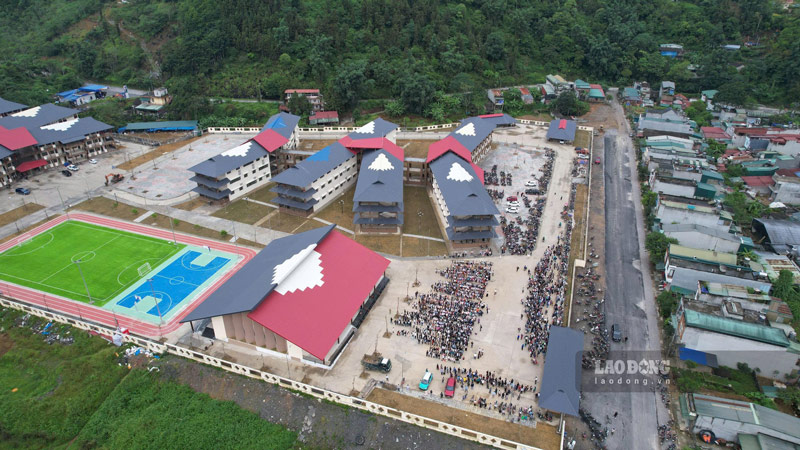
Parents can rest assured to send their children to class
From villages, children are taken by their parents to receive classes and rooms. Clothes, books and personal belongings are arranged in rooms still smelling of new paint.
For many highland students, this is the first time they have studied and lived in a spacious dormitory.
Instead of traveling on long roads, they have a place to eat, stay and study right at school.
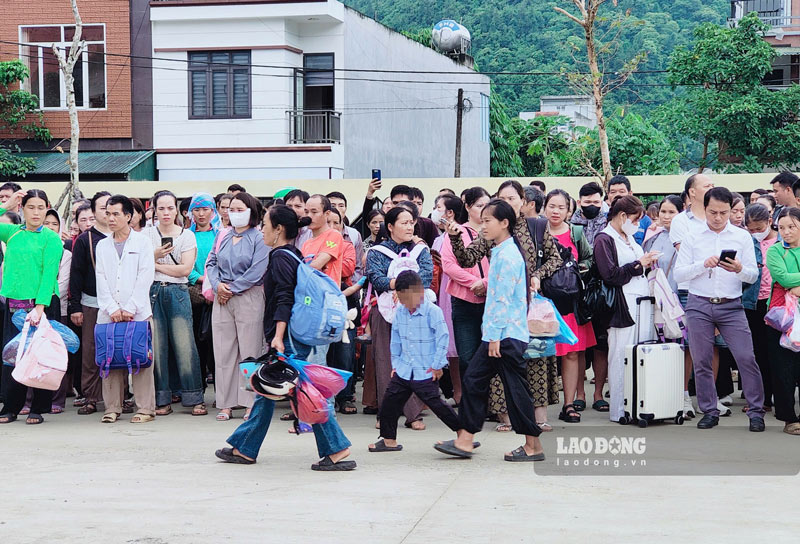
This also helps parents feel more secure. Teachers have conditions to care for and manage students outside of school hours; they have a more stable environment to study and train.
The classrooms that used to be on drawings now have the sound of teachers and students.
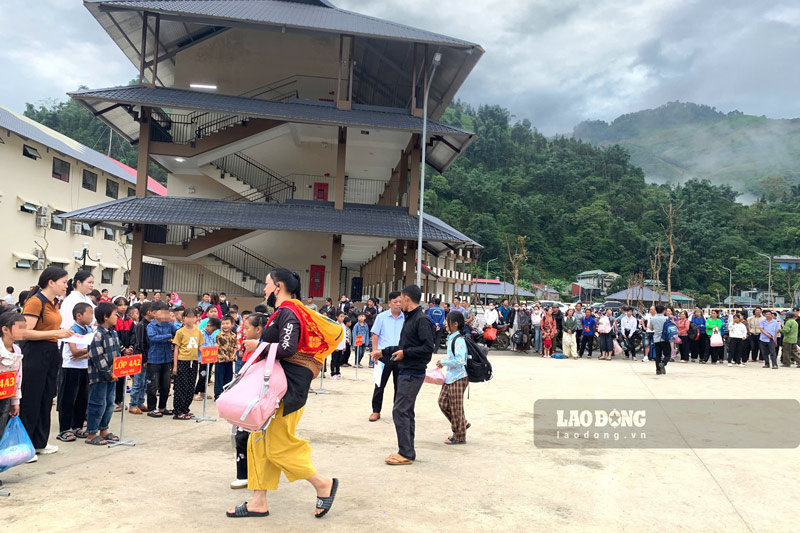
Looking at the students entering the new school year, the journey of the border area construction sites seems to have an answer.
Behind them are rows of houses just completed after a period of stressful construction. Ahead is a new school year with better learning and living conditions.
The construction site will then close, the machinery leaves, the workers continue their work, but the schools will stay with the villages, continuing to welcome generations of students from the border region.
The value of those works is therefore not only in the new rows of houses.
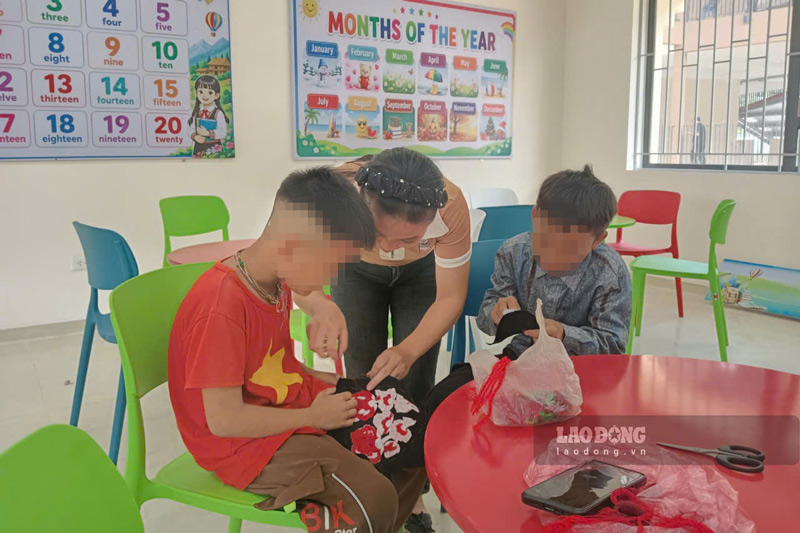
It is also another opportunity for children in mountainous areas to go to school, more peace of mind for each family and more conditions for education in border areas to be better cared for.
According to Mr. Phan Van Vinh, official of the Lao Cai Provincial Construction Investment Project Management Board, the biggest difficulty in the construction process is the complex terrain, harsh weather and urgent progress.
Units and contractors have organized many construction teams, increased manpower and machinery, determined to complete the project on schedule.
Leaders of Lao Cai province expect that inter-level boarding schools invested in border communes will not only solve the problem of facilities, but also create fundamental changes in caring for and improving the quality of education in difficult areas.
Having a centralized and spacious learning and living environment will help students in remote villages have better learning conditions, limit the situation of going to school far away, and at the same time help them train skills, discipline and develop comprehensively.


