
New growth engine of Ho Chi Minh City
Ho Chi Minh City has long been known as a sleepless city, where the pace of life lasts until night with a series of dining, shopping, entertainment, and cultural activities taking place vibrantly. Restaurants, cafes, mobile vending carts, street performances... create a vibrant nighttime economic picture.
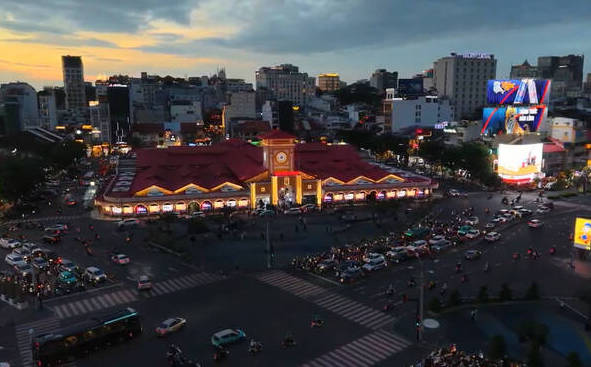
I was surprised to come to Ho Chi Minh City - a city that is always bustling from morning to night. Especially, at night, people have many choices to have fun, enjoy cuisine, stroll around the streets or admire the scenery, which is very different from many places I have been to" - Ms. Emily - a tourist from the US shared.
In addition, the operation of the Metro line has contributed to strengthening traffic connections between regions, opening up opportunities to link many nighttime destinations of Ho Chi Minh City. This is also considered an important premise for the city to form "night economic journeys" instead of just developing individual destinations.
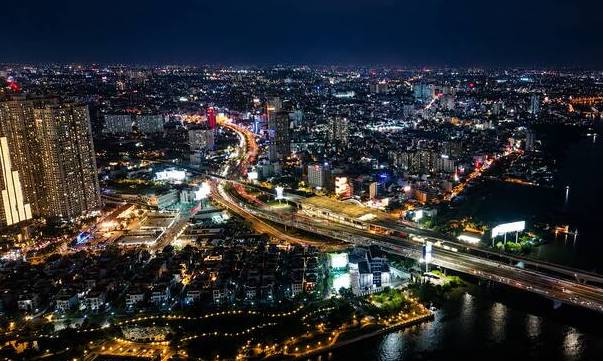
After 50 years of construction and development, Ho Chi Minh City is increasingly convenient and modern but still retains the appeal of traditional destinations. The number of visitors has increased significantly, so our business is also flourishing" - Ms. Bich Huong, a small trader at Ben Thanh market, said.
Ho Chi Minh City's difficult-to-replicate advantage
Talking to Lao Dong Newspaper, Mr. Luu Nhat Tuan - Vice Chairman in charge of the Night Economy Development Board, Ho Chi Minh City Culinary Association, said that in the context of increasingly limited land funds, Ho Chi Minh City cannot continue to develop in breadth but needs to shift to development in depth. The night economy is considered one of the important solutions when creating new economic value on the existing urban infrastructure and resources.
If daytime is the economy of work, then nighttime is the economy of experience. This will be one of the new growth drivers of Ho Chi Minh City in the future" - he emphasized.
To realize this goal, according to Mr. Tuan, first of all, it is necessary to change the development mindset. The city does not need more individual activities but needs to build a well-planned night economic ecosystem with a unified coordination mechanism.
Currently, Ho Chi Minh City mainly develops according to individual points such as pedestrian streets, night markets or art performance programs. However, these "pieces" have not been connected into a complete journey of experience. Therefore, he believes that the city should shift from the thinking of developing night streets to building "night economic zones", in which each zone has its own identity and mutual support.
For example, there are areas focused on culture and art; areas for culinary development; areas for exploiting river and water advantages; or areas for modern entertainment activities.
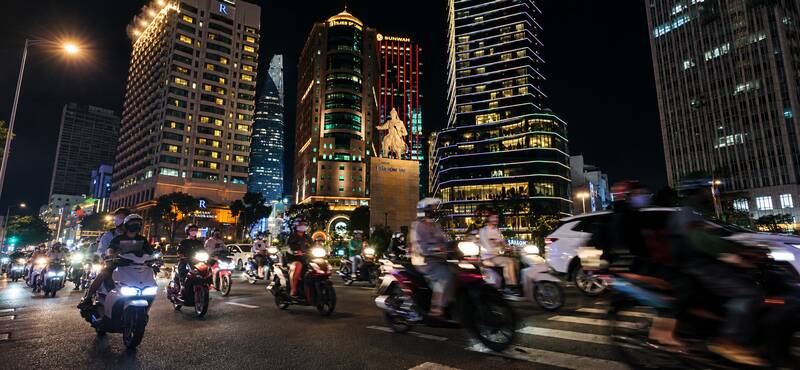
In parallel, Ho Chi Minh City needs to build a separate operating mechanism for the night economy, including public transport systems, parking lots, ensuring security and order, environmental sanitation as well as regulations on noise and operating hours.
According to Mr. Tuan, businesses need to be seen as companions in the development process. The State should not replace businesses but focus on planning, building a legal framework and creating a favorable environment for businesses to boldly invest.
Looking back at the 50-year journey of development, he believes that Ho Chi Minh City is possessing many different advantages. That is its open, liberal personality, always ready to welcome new things; it is the place that converges the most cultures in the country, creating a diverse and rich urban life.
In addition, the Saigon River system and the network of canals and ditches are also special assets, which can become a symbolic nighttime economic development axis of the city in the future. Along with that is a fairly complete service ecosystem, from accommodation, cuisine, shopping to event organization.


