
Quang Ngai is one of the localities with the largest cinnamon growing area in the country, with annual output reaching 2,000 - 2,500 tons of cinnamon bark. Thanh Bong, Tay Tra Bong, Ca Dam communes... are cinnamon specialized cultivation areas, where this plant has been associated for many generations and becomes an important source of livelihood for people. These days, people are entering the cinnamon harvest season.
Each year, cinnamon growers have two harvest seasons. In which, the main harvest season is from the end of February to the end of April. This is the most favorable time, when cinnamon peel is easy to peel off, the essential oil content is high, ensuring quality.
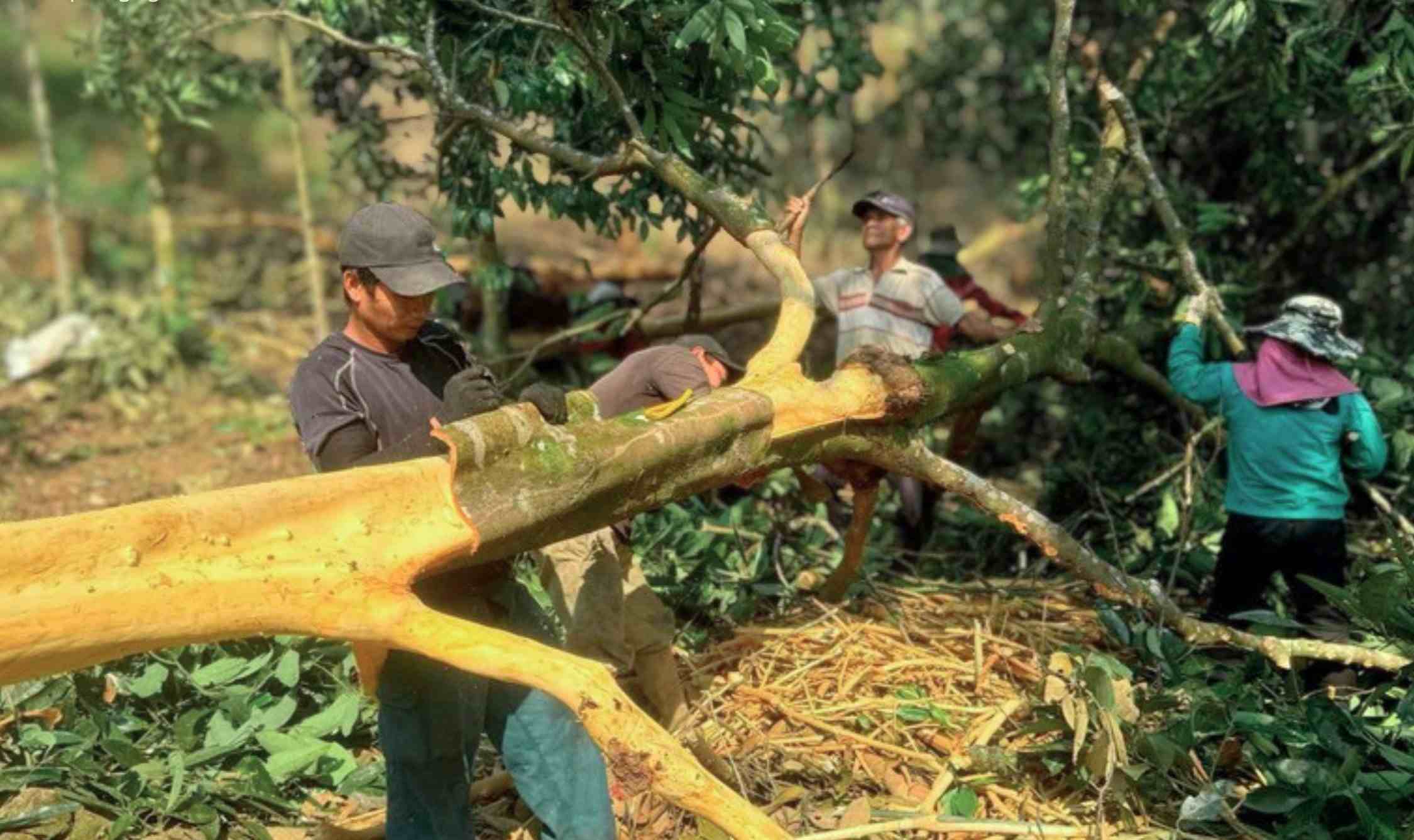
In cinnamon growing areas, the image of people quickly peeling and arranging cinnamon to dry in the sun has become familiar every crop season. Harvesting is carried out in a selective direction, prioritizing trees that are old enough and ensure quality to improve product value.
Mr. Ho Van Bay - Head of Tra Huynh village, Tay Tra Bong commune, said that the whole village currently has about 15ha of cinnamon, with an annual harvested output of about 5 tons. People do not harvest massively but proactively choose the time, taking advantage of harvesting in the right season to ensure the quality of cinnamon bark.
Many households consider cinnamon trees as a long-term accumulation source. Mr. Ho Van Truc, in Cua village, Thanh Bong commune, expressed that his family has about 2ha with nearly 20,000 cinnamon trees. Among them, many trees are over 20 years old. Thanks to the development of cinnamon trees, his family's life is increasingly stable.
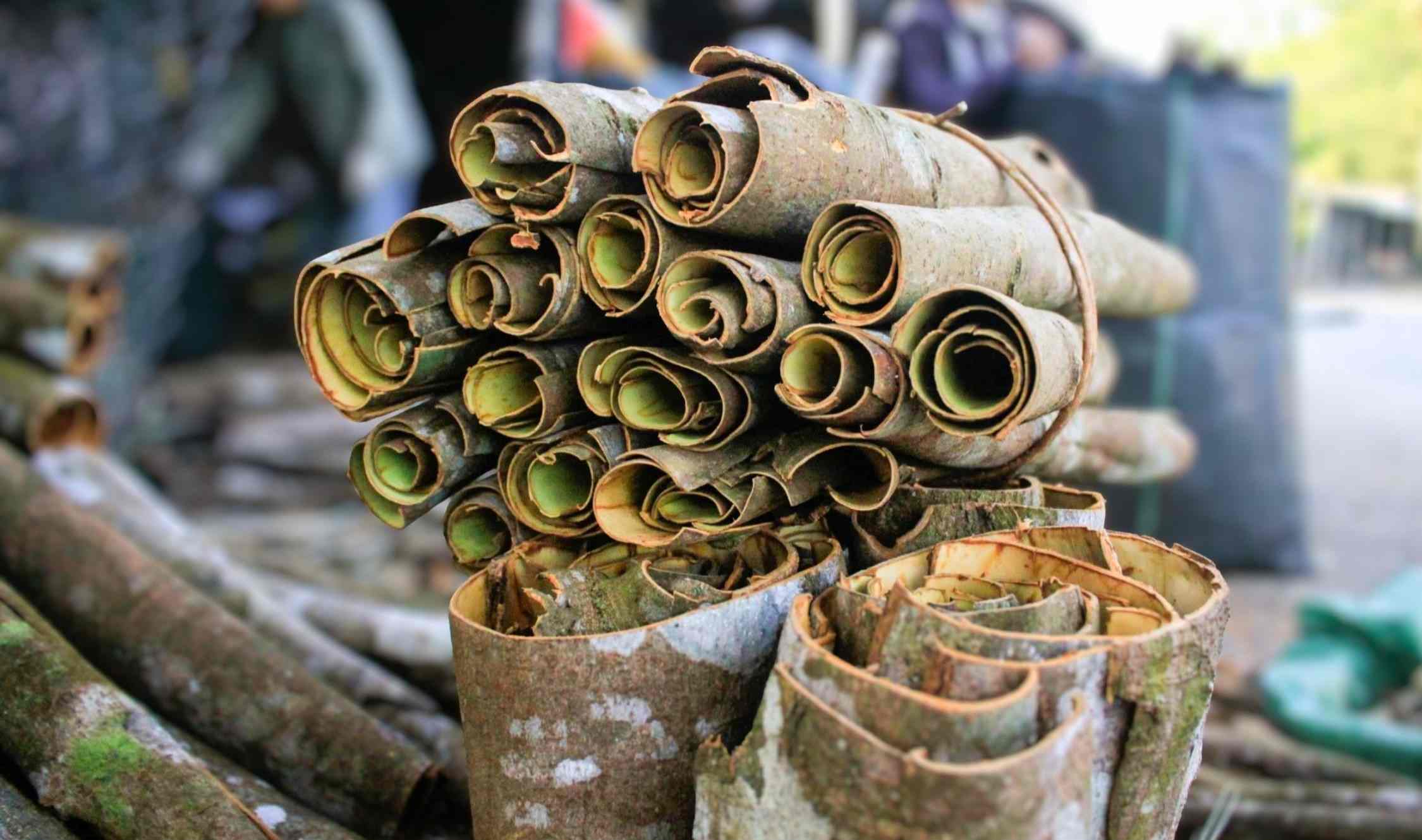
Mr. Ho Van Truong - Vice Chairman of Thanh Bong Commune People's Committee said that the locality currently has more than 1,345 hectares of cinnamon with over 1,000 households participating in cultivation. Through many generations, cinnamon trees have not only contributed to retaining land and water but also become a sustainable economic pillar of the locality.
People are increasingly proactive in exploiting and maximizing the value of cinnamon trees. Cinnamon bark after being dried is sorted and consumed; branches and leaves are used as raw materials for processing essential oils and by-products, contributing to increasing income.
Although the price of fresh cinnamon at the beginning of this year fluctuates around 10 - 15 thousand VND/kg, lower than in previous years, it still brings in significant income. Income from cinnamon helps many households cover living expenses, invest in production, and gradually improve their lives.
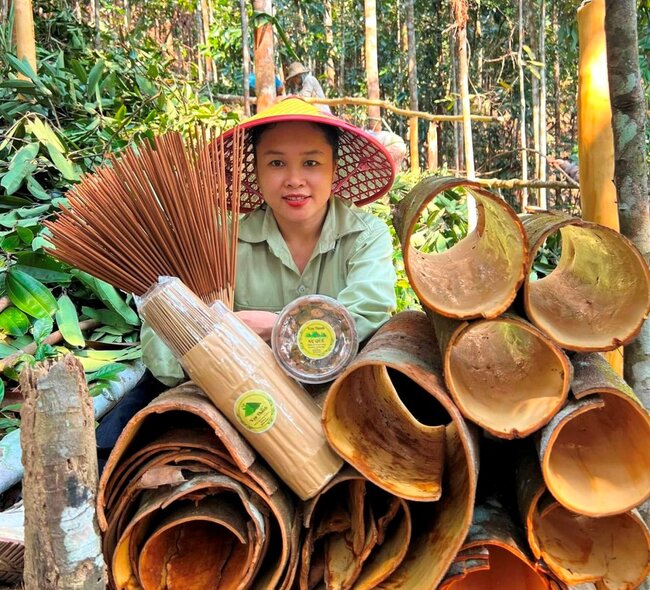
Along with expanding the planting area, the locality is promoting deep processing of cinnamon products such as essential oils, cinnamon incense, and handicrafts. Some products have achieved OCOP 3-4 star certification, contributing to enhancing the value and affirming the Tra Bong cinnamon brand in the market.
With its characteristic aroma and high essential oil content, Tra Bong cinnamon continues to be favored in the domestic and international markets, exported to many countries such as China, France, India, and Korea, thereby creating conditions for cinnamon trees to develop stably, sustainably and bring long-term income to people.


