
On May 31, the Department of Culture, Sports and Tourism of Lam Dong province coordinated with relevant units to open a training class on safe swimming and child drowning prevention in 2026 in the eastern region of the province.

Participating in the training class were more than 200 trainees who are commune-level sports officials, teachers, swimming instructors, rescue forces and representatives of localities.
During the training period, trainees are equipped with knowledge and skills on water safety, swimming teaching methods for children, drowning rescue and first aid skills.
Qualified students will be issued certificates of completion of the program.

According to Mr. Huynh Ngoc Tam - Deputy Director of the Department of Culture, Sports and Tourism of Lam Dong province, the training class aims to improve the capacity of the team working in sports, education and children at the grassroots level.
From there, helping localities build core forces to spread the swimming teaching movement and popularize water safety skills for children.
The organizers expect each trainee after the course to become an active propagandist in drowning prevention and control, contributing to reducing accidents and building a safe living environment for children.
According to the plan, after the training class in the Eastern region, the Provincial Department of Culture, Sports and Tourism will continue to organize another similar class in the Bao Loc area to improve the effectiveness of child drowning prevention and control throughout the province.
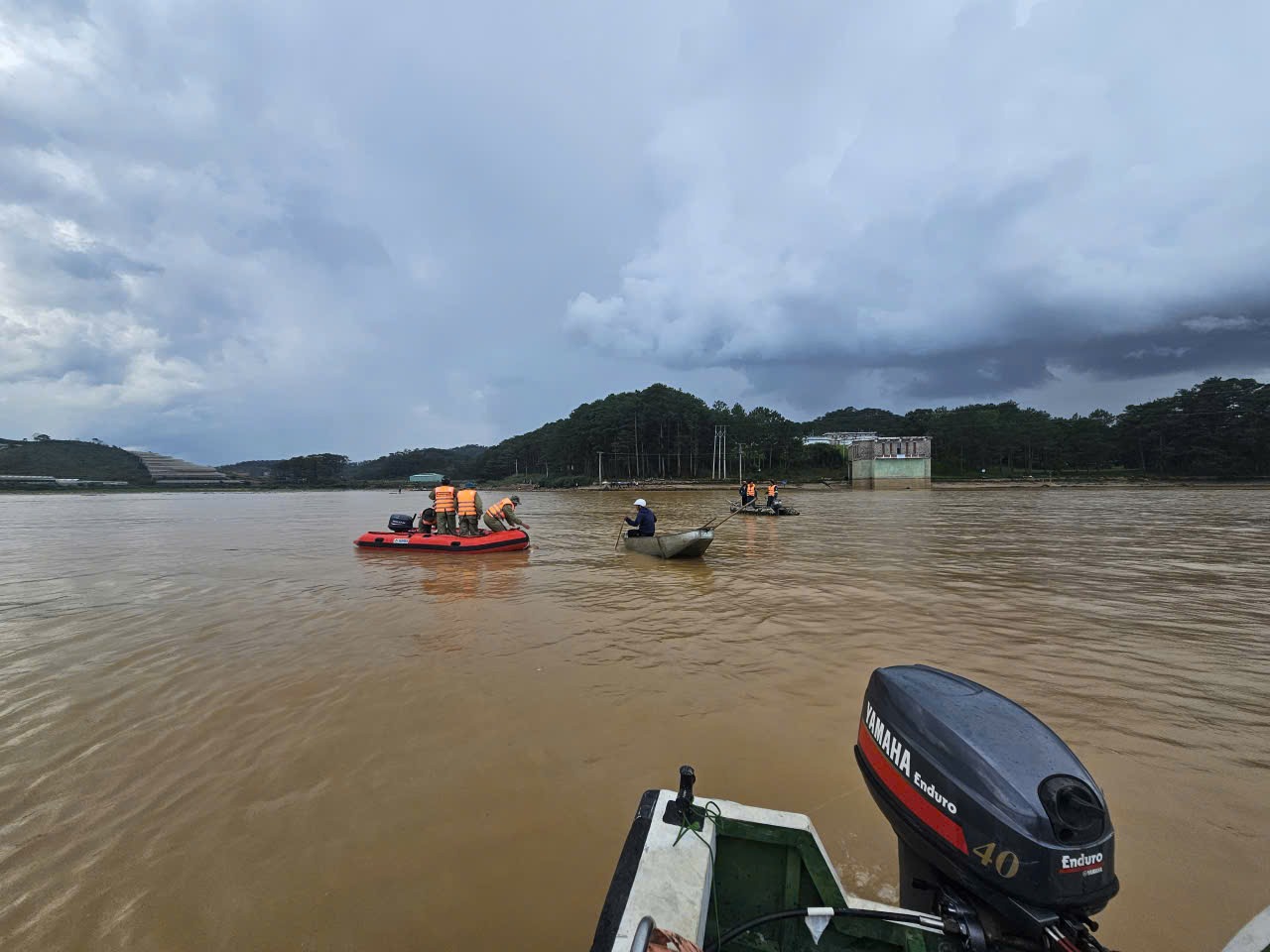
According to statistics from functional agencies, from February 15, 2026 to now, Lam Dong province has recorded 17 drowning incidents, killing 18 people, including 8 children.
Currently, the whole province has about 500 large and small rivers and streams; nearly 2,000 reservoirs, irrigation dams, hydropower plants and about 50,000 artificial ponds and lakes serving agricultural production.
In many coffee, durian and vegetable growing areas, people spontaneously dig ponds to store water with large depths. However, many areas are not fenced off, lack warning signs and rescue equipment, posing potential safety risks during the rainy season.


