
Over the past time, in communes and wards in the eastern region of Lam Dong province, the situation of people taking advantage of roadsides and sidewalks to dry rice and seafood has been quite common.
This action is directly affecting traffic order and safety.
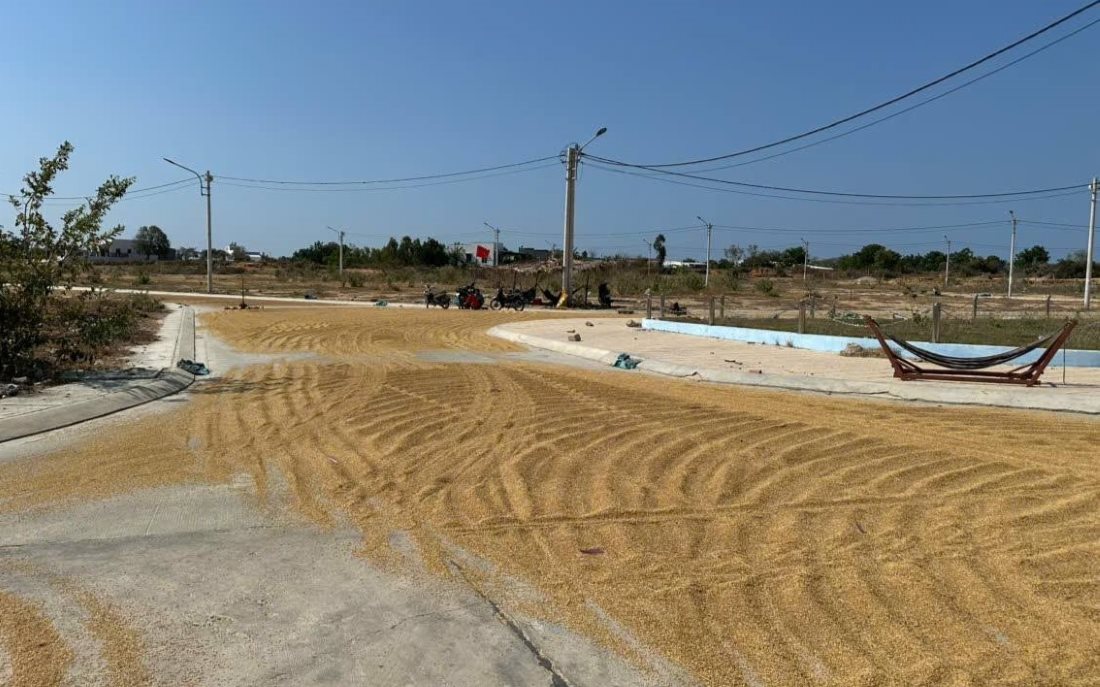
Recorded in Lien Huong commune, when many fields enter the harvest season, the demand for drying agricultural products increases.
Due to lack of area, some households have spread rice right on the road surface, occupying the traffic area of vehicles, causing the road surface to narrow, posing a potential risk of traffic collisions.
Notably, items serving drying such as bricks, stones, sticks, stretch tarpaulins... are placed directly on the road, becoming dangerous obstacles.
At night or in low light conditions, vehicle drivers are very likely to encounter problems because they do not have time to observe and handle them.
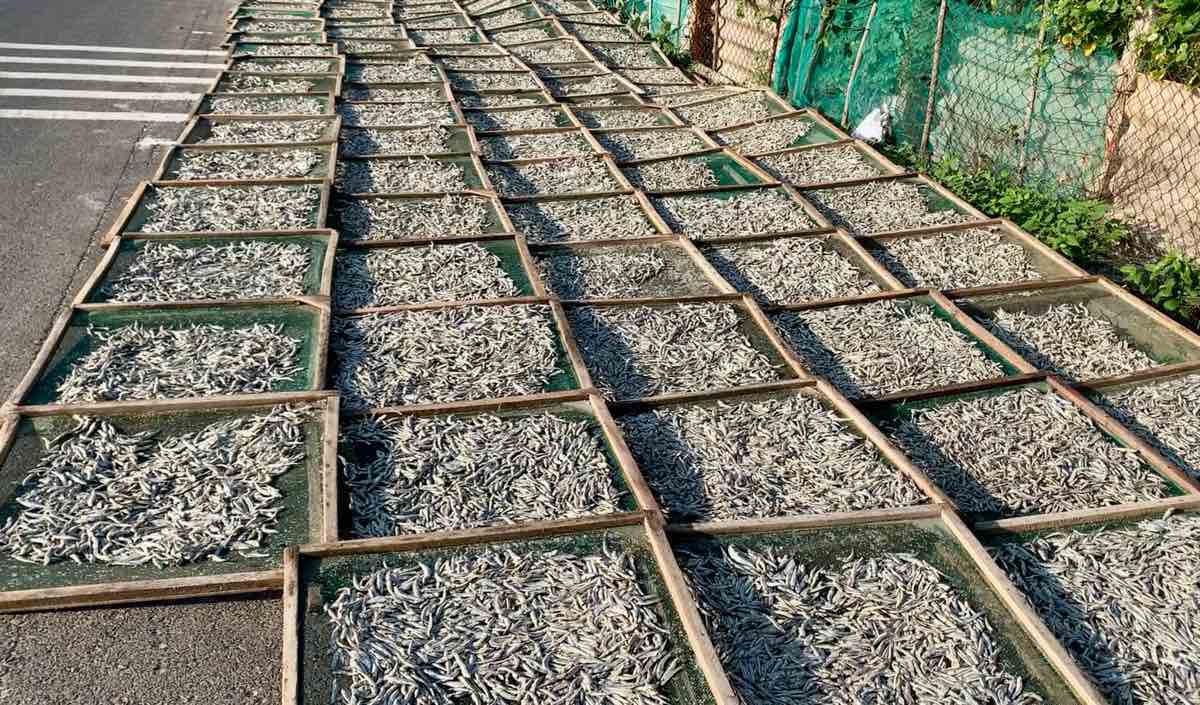
Not only agricultural products, in Mui Ne ward, some anchovy steaming kilns also display fish drying shelves right on the road, causing traffic obstruction and damaging the aesthetics of the tourist route.
According to Lien Huong Commune Police, the act of "drying paddy, rice, straw, rice paddy, agricultural, forestry, and seafood on roads; placing threshing machines on roads" violates the provisions of point g, clause 2, Article 12 of Decree 168/2024/ND-CP of the Government.
A fine of 200,000–250,000 VND for violating individuals and organizations is doubled. In addition, violators are forced to collect all agricultural products and items on the road.
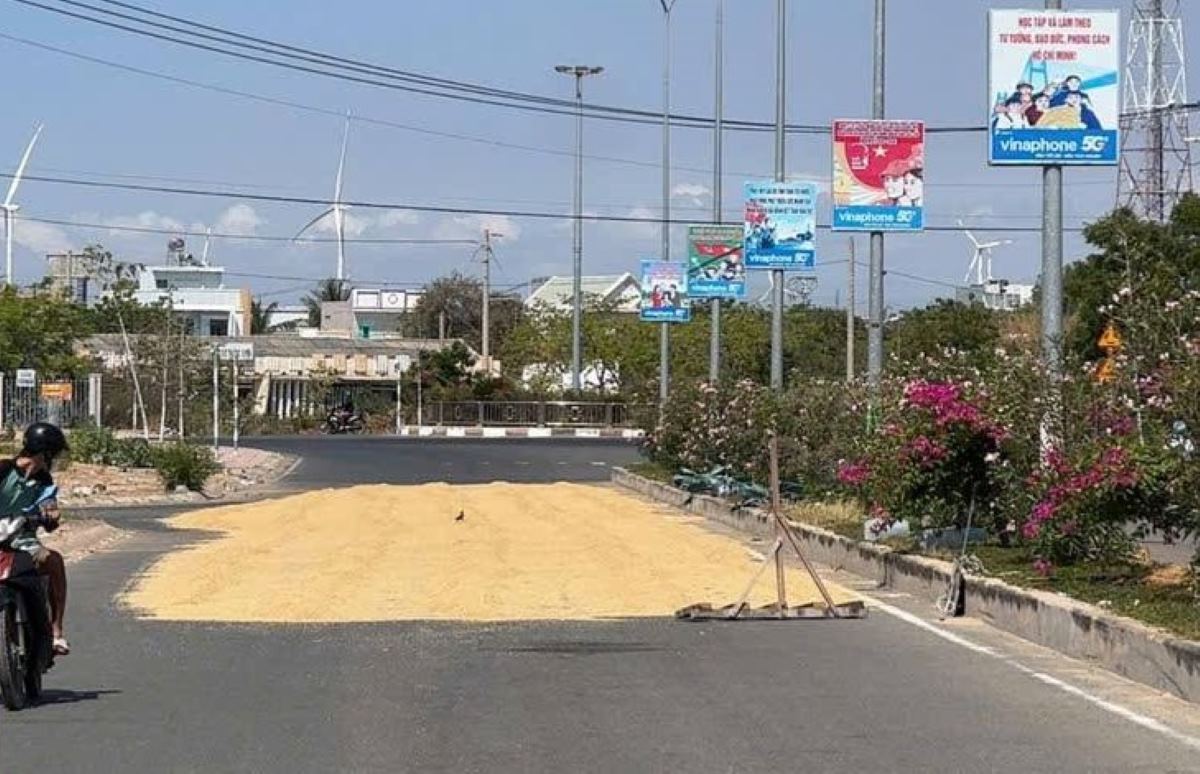
The police force recommends that people not use roads and sidewalks to dry agricultural products in any form, but instead need to take advantage of their yards or permitted areas to ensure safety.
Drying rice after harvest is a legitimate need, but it needs to be implemented in accordance with regulations. The awareness of law compliance of each citizen will contribute to ensuring traffic safety and maintaining local order.


