
The event is organized by the Vietnam Association for the Development of Cultural Industries in coordination with units lasting 2 phases. Phase 1 from now until March 8 and phase 2 from March 16 to March 21 in Ho Chi Minh City.
According to a representative of the organizing committee, the program's goal is not to stop at recreating an old style of costumes, but to aim to awaken the core values of Vietnamese culture in the context of integration.
The five-panel Ao Dai - the predecessor of the modern Ao Dai - is seen not only as a heritage, but also as a product that can participate in the creative economic flow.
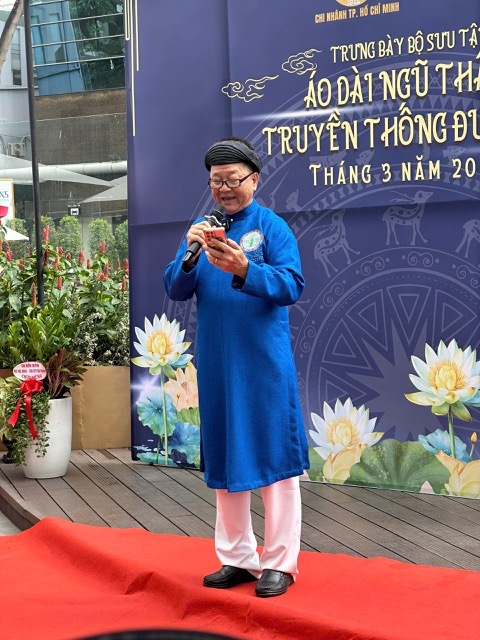
The collection launched at the event shows efforts to revive traditional costumes based on traditional standards, while adjusting materials, colors and sewing techniques to suit today's usage needs.
Some designs are oriented as ceremonial attire for businessmen and intellectuals in formal events, contributing to building personal and brand image.
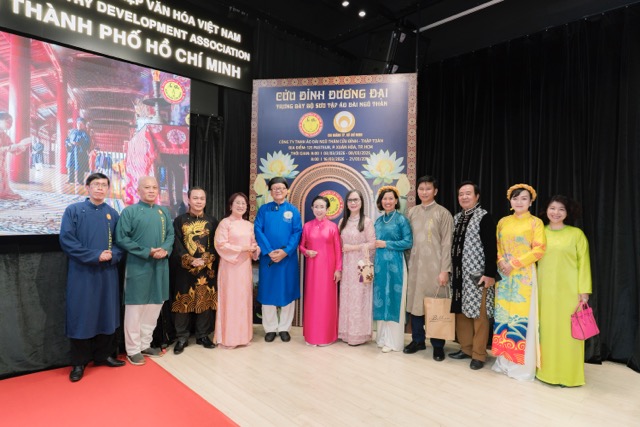
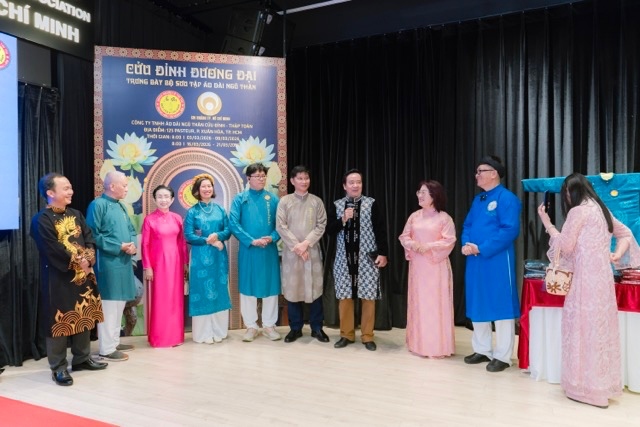
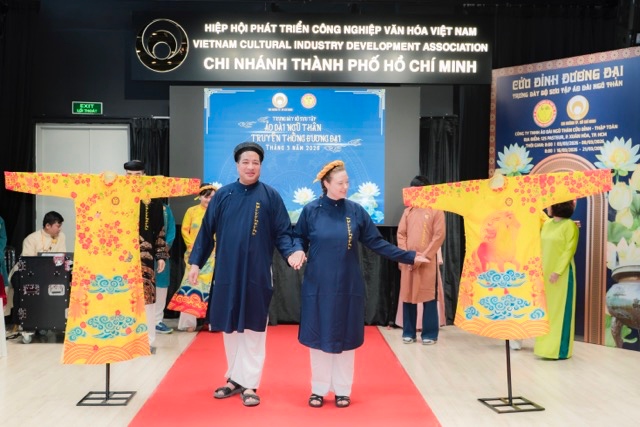
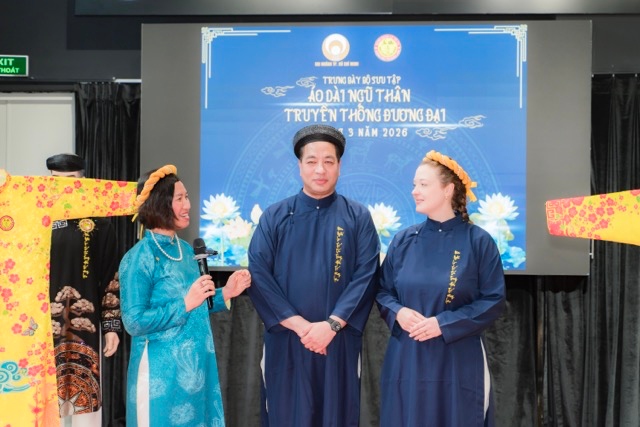
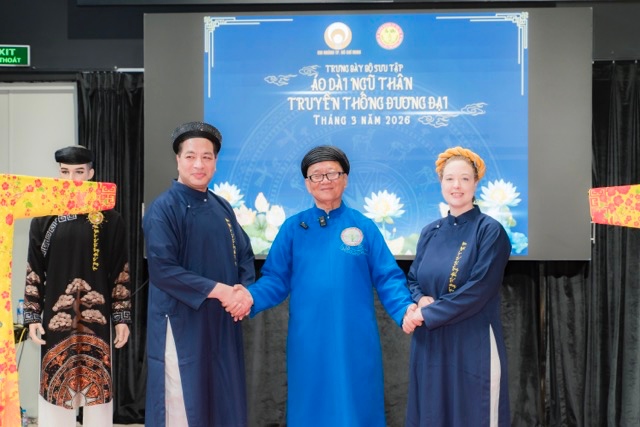
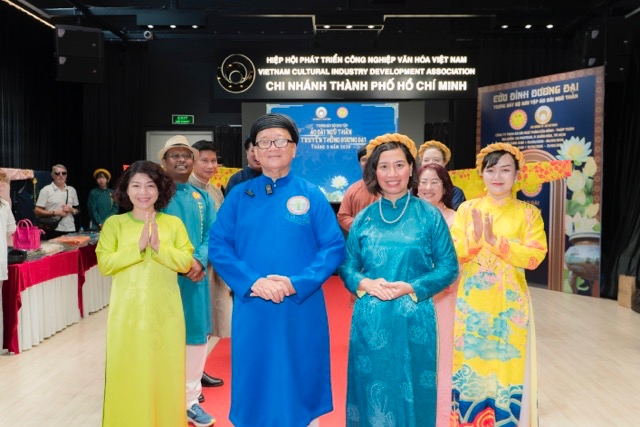
At the exhibition space, designer Ha Van Loi and guests directly introduced the structure of the five bodies, the symbolic meaning in Vietnamese culture as well as the processing of patterns and materials to ensure both aesthetics and function. Many opinions believe that bringing the five-body ao dai back to contemporary life needs to be associated with methodical strategies, instead of just stopping at performance activities.
Attending speakers also exchanged views on the role of traditional costumes in the development of the cultural industry. In the context of Vietnam promoting a creative economy based on heritage, the revival of the five-panel ao dai is considered a potential direction, both contributing to preserving cultural values and creating livelihood opportunities for artisans, designers and businesses.
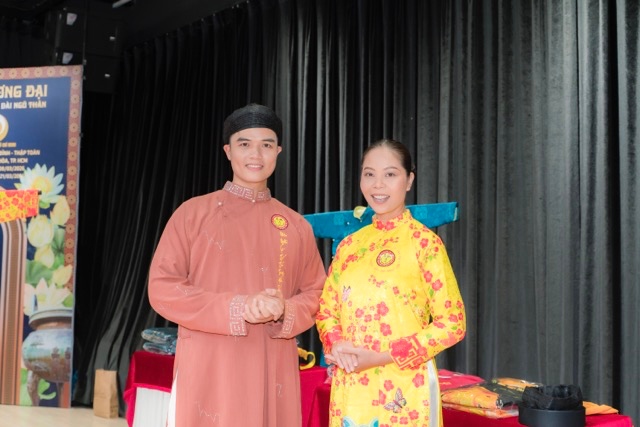
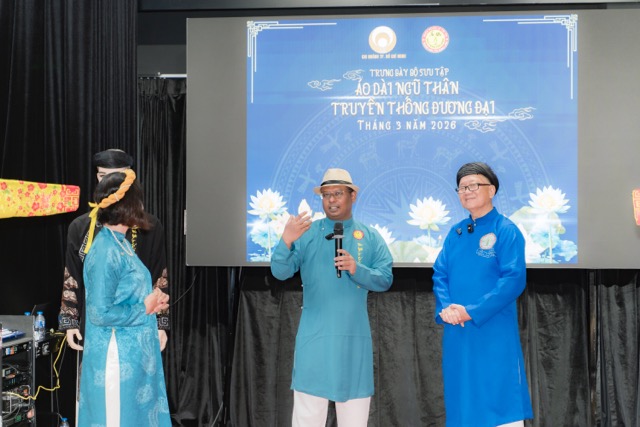
This event shows the effort to connect heritage and the market, in order for tradition not only to exist in memory, but to truly be present in modern life as a cultural value with the ability to spread for a long time.


