
At the Hanoi Creative Design Festival 2026, many booths and creative products made by students were introduced, contributing to spreading traditional cultural values to a large number of tourists.
The common point easily noticeable in many student projects today is the starting point from history. Before tailoring or designing, students spend time learning about the origin of costumes, the context of creation, the usage classes and the meaning of each detail.
The process of learning about history helps young people realize that traditional costumes are not just clothes, but the crystallization of the living environment, aesthetic concepts and the way of thinking of Vietnamese people through many generations.
From a historical foundation, a group of young people began to create the "Photo Archive" collection. Through ao dai, students want to spread traditional values that continue through many generations. The creativity here is not to completely destroy, but to adjust so that costumes can "live" in contemporary life: changing materials to be lighter, more flexible, and the display method closer to the young public.
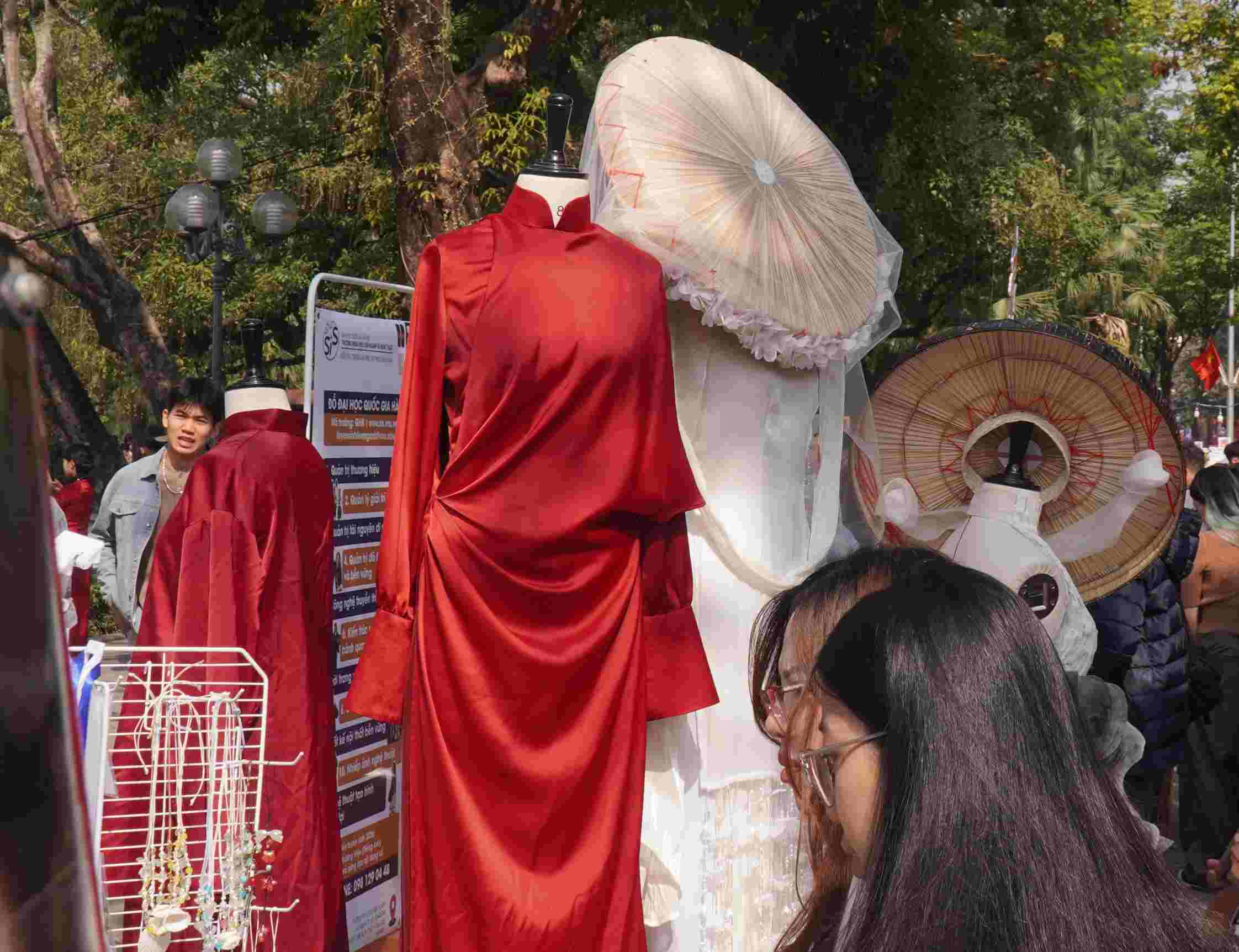
Besides, Thu Phuong - representative of the "Khoi" collection group said that the group chose to approach traditional costumes according to the flow of time. From designs with primitive, most primitive shapes, close to the originals, the collection gradually opens up changes in form, when costumes are innovated, breakthrough and imprinted with the breath of the times, becoming closer to today's youth.
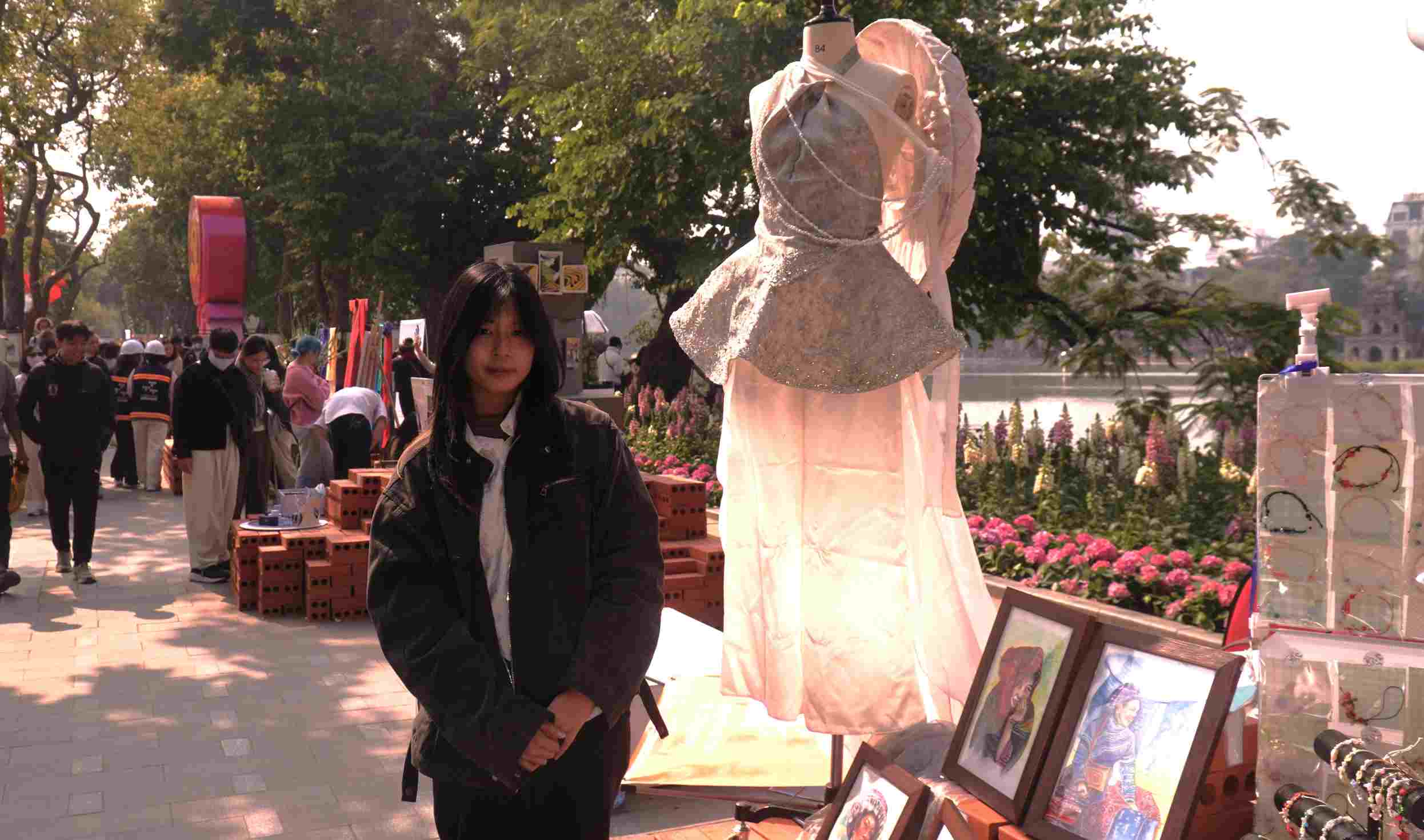
Notably, many students are very aware of the boundary between creativity and loss of identity. Core elements such as Asian aesthetics, discreetness, harmony, or familiar cultural symbols are still retained, only placed in new forms of expression.
In the context of globalization, preserving national identity is no longer obvious, but has become a conscious choice. For many young people, returning to traditional costumes is also a way to find their own cultural identity.
Many students admit that initially they approached traditional costumes because of curiosity or love for beauty. But the more they learn, the more they realize the deep values behind each fabric pattern. From there, preserving identity is no longer a slogan, but a self-responsibility of the creator.
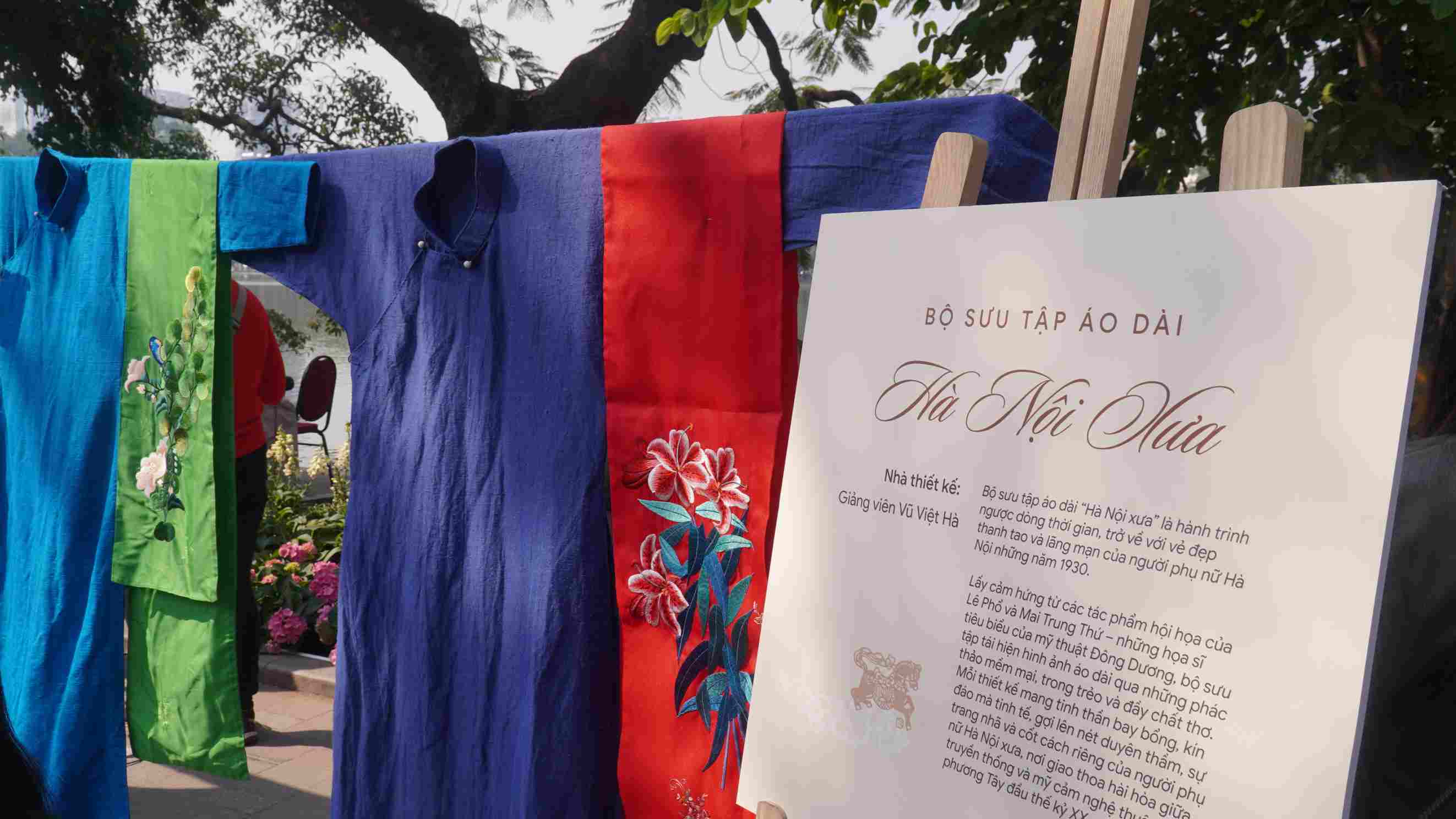
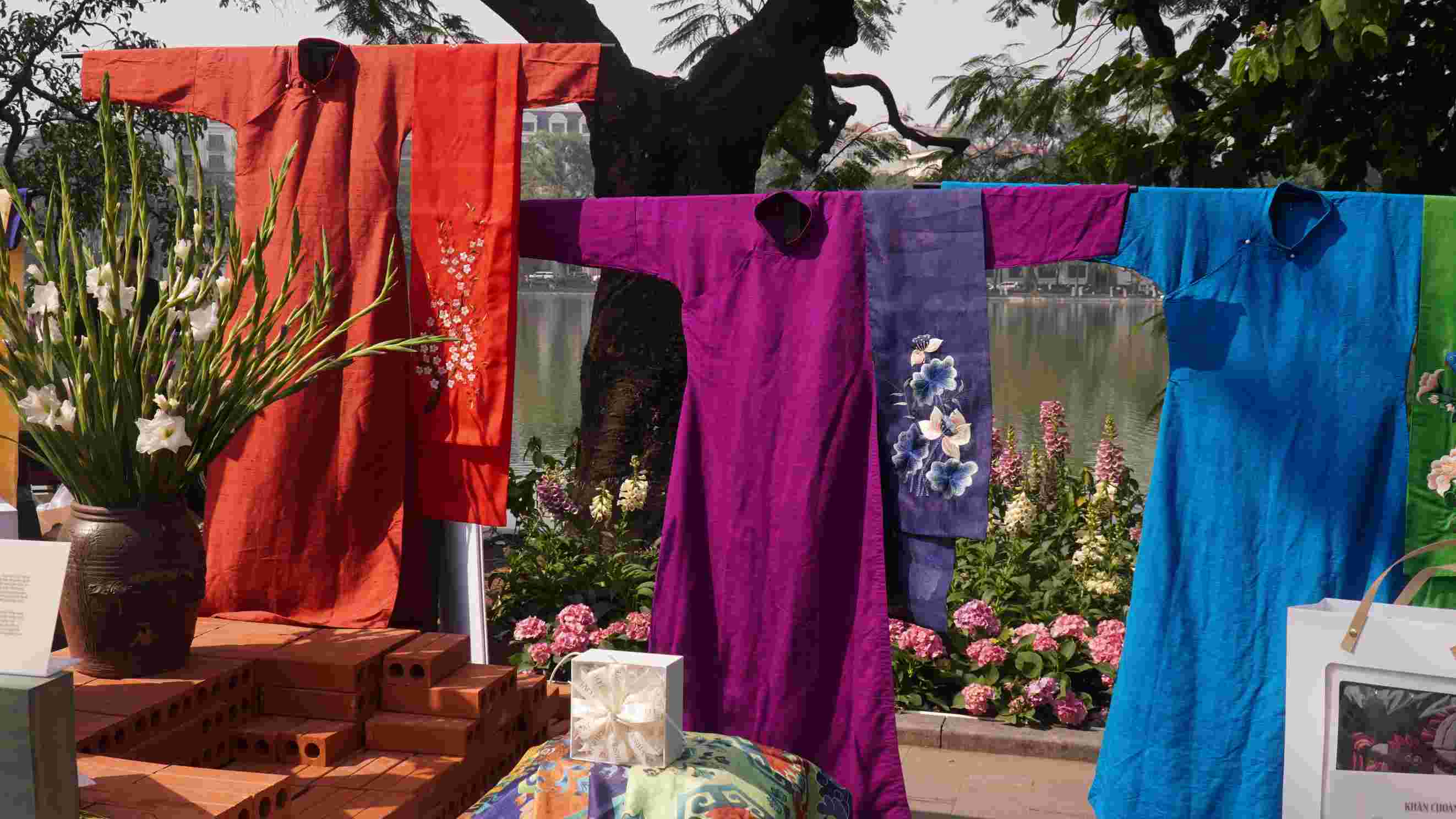
The Ao Dai collection "Old Hanoi" is a journey back in time, returning to the elegant and romantic beauty of Hanoi women in the 1930s.
Inspired by paintings by Le Pho and Mai Trung Thu - typical artists of Indochinese fine arts, the collection recreates the image of ao dai through soft, pure and poetic sketches. Each design carries a soaring, discreet but sophisticated spirit, evoking the secret charm, elegance and unique personality of ancient Hanoi women.
Small projects, simple exhibitions, but they show a positive sign: young people are not turning their backs on tradition, but are finding ways to recount traditions with the voice of their time.
In the midst of modern life, those silent efforts contribute to helping traditional costumes not only exist as memories, but continue to be present as part of today's life.


