
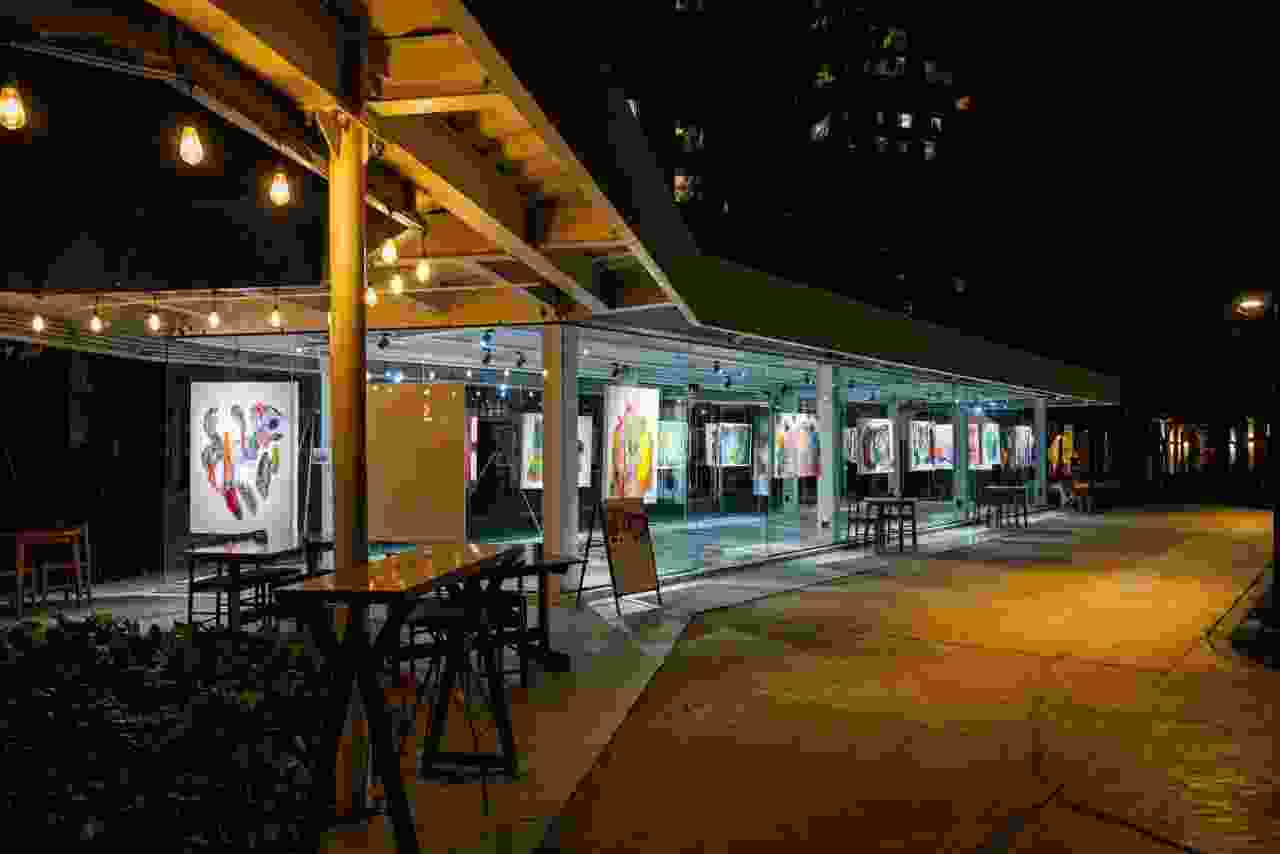
According to the organizers, this is the opening exhibition for a new art space called Con Art Gallery, and also one of the rare projects of contemporary Vietnamese fine arts that directly raises questions about the duration of the work.
The exhibition introduces 29 acrylic artworks on canvas, created in 2025. The special point lies in the material: acrylic paint is mixed with a special solvent tested by artist Bui Chat himself. When exposed to air and light, the color layers will gradually disintegrate, fade and disappear completely in about 7-8 years. After that time, only the white surface remains on the canvas - traces of a process that once existed.
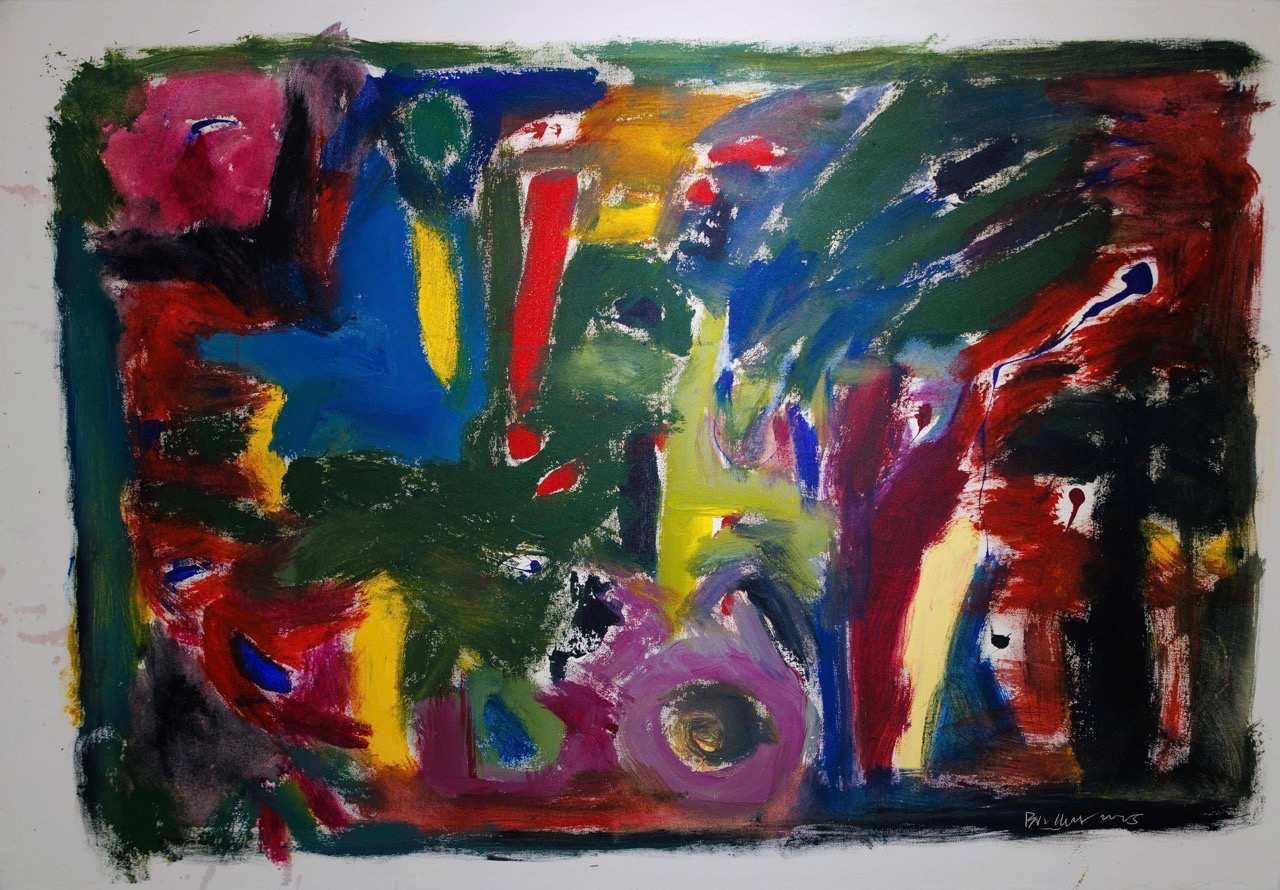
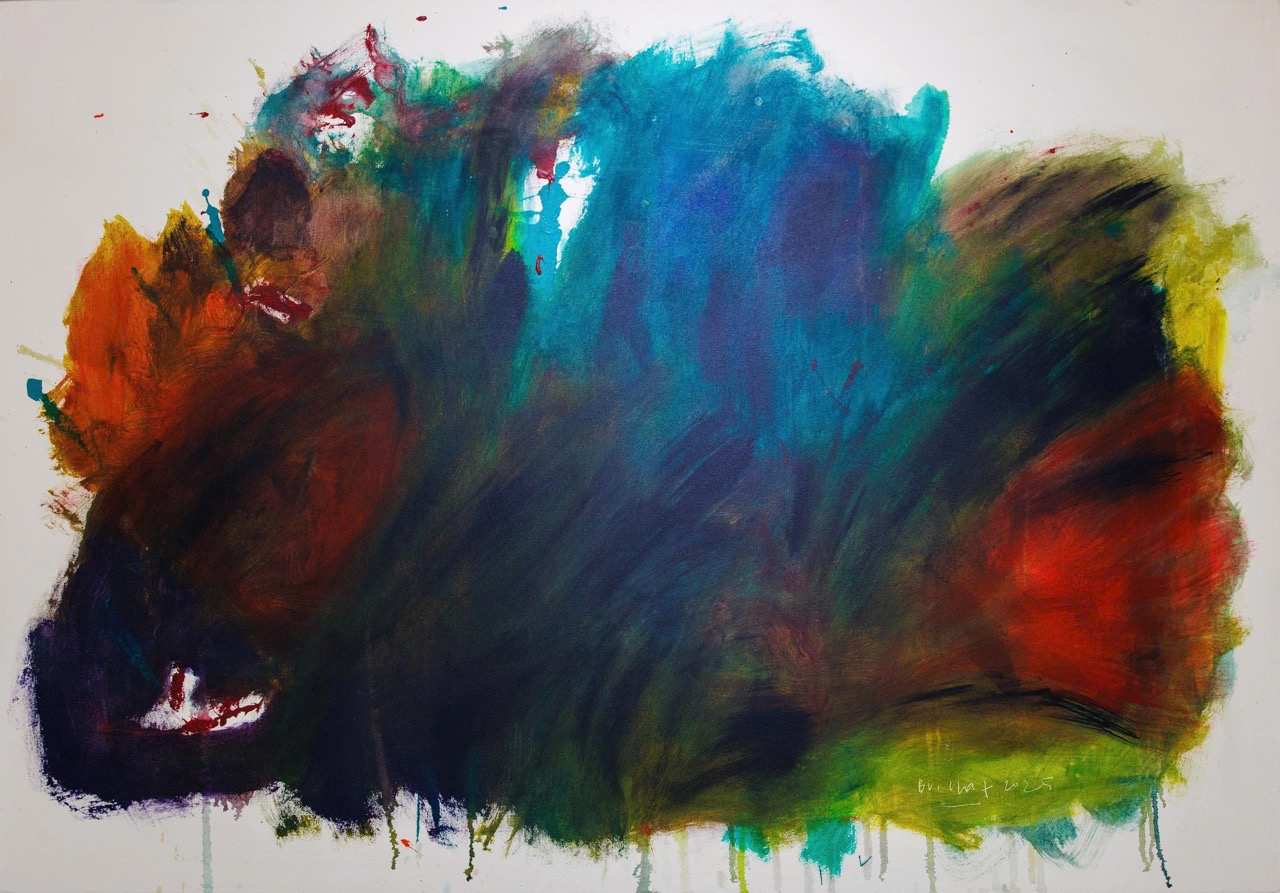
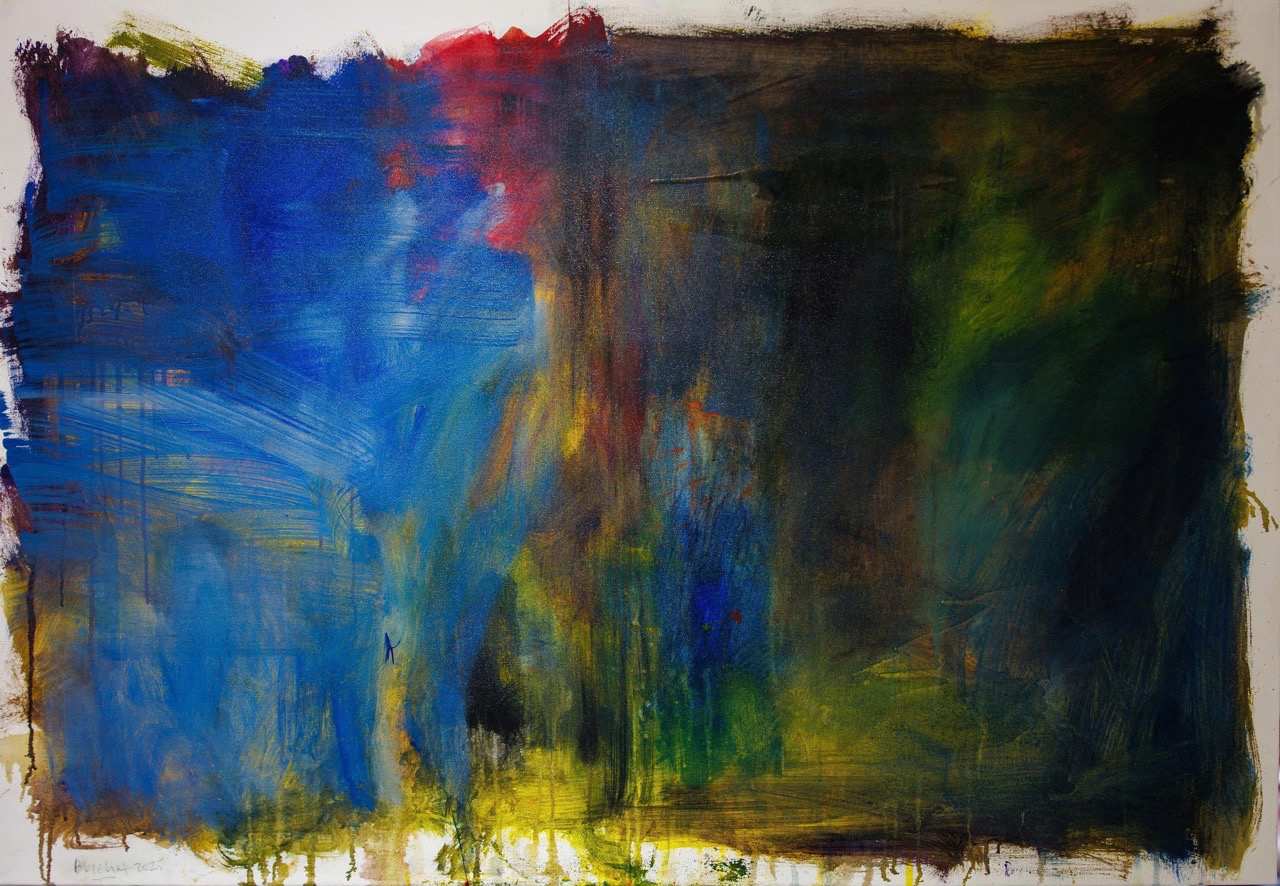
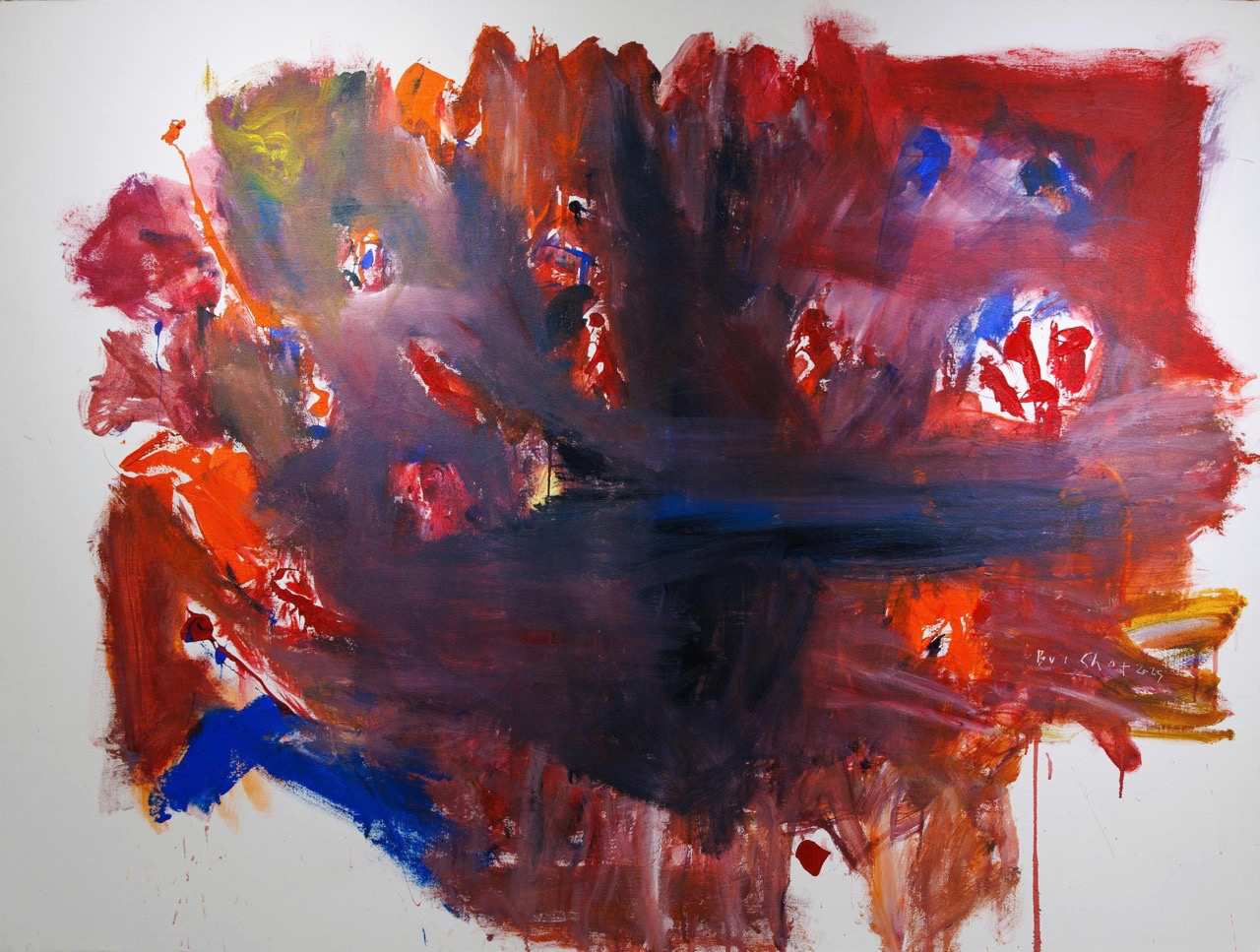
Different from the traditional concept of seeing paintings as objects that need to be preserved and conserved, the exhibition "Eighty-Eight Years" places painting on the orbit of life - survival - destruction. Each painting is no longer aimed at eternity but is "programmed" to self-destruct. Viewers are not just standing in front of an image, but witnessing a moment in the process of loss that has been predetermined.
The name of the exhibition is borrowed from the term in the folk card game "cool bunker", where 785 is understood as "cool" - still enough reason to stay in the game. Artist Bui Chat borrows that spirit to look back at painting: art does not need to be immortal, just enough courage to accept risks. The painter is like a card player, both creating the work and signing its own fading judgment.
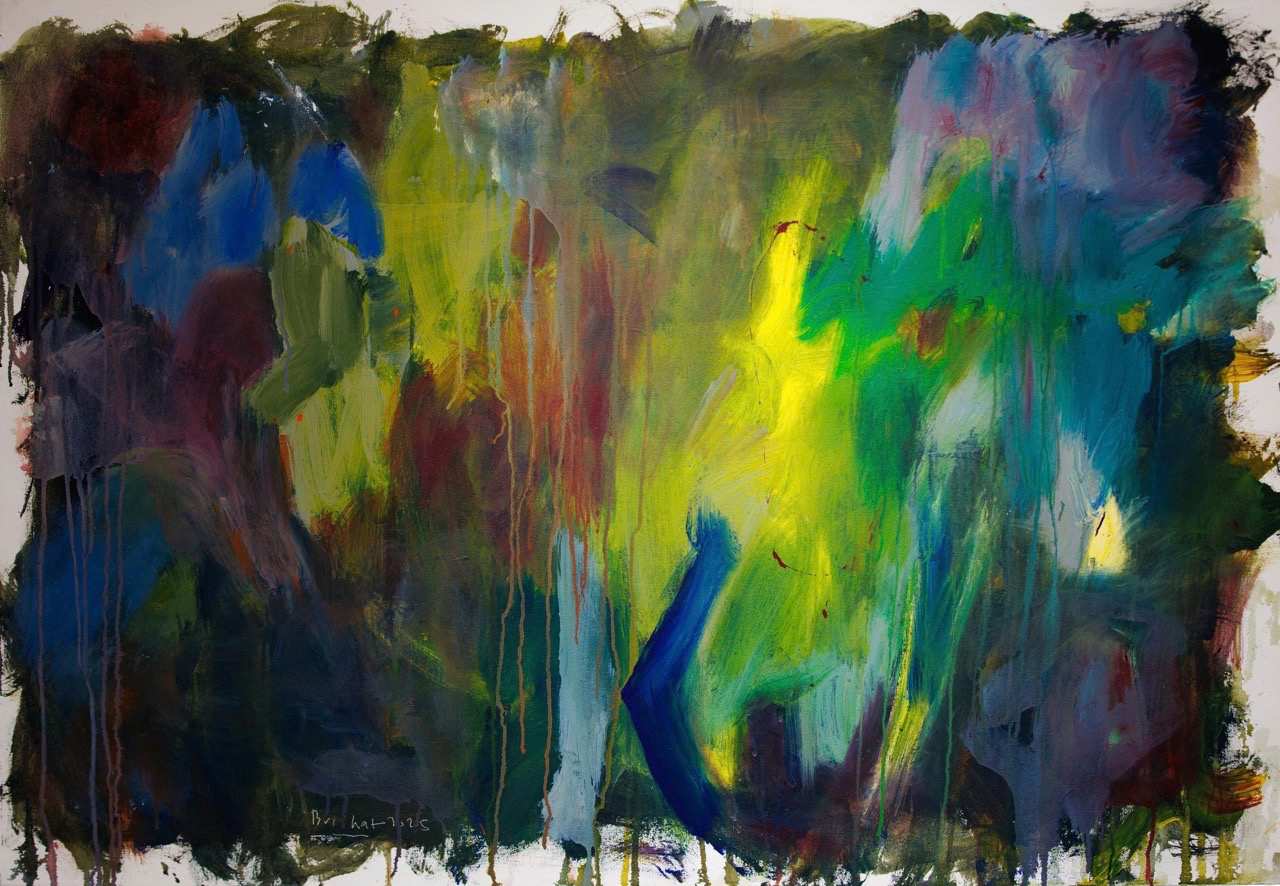
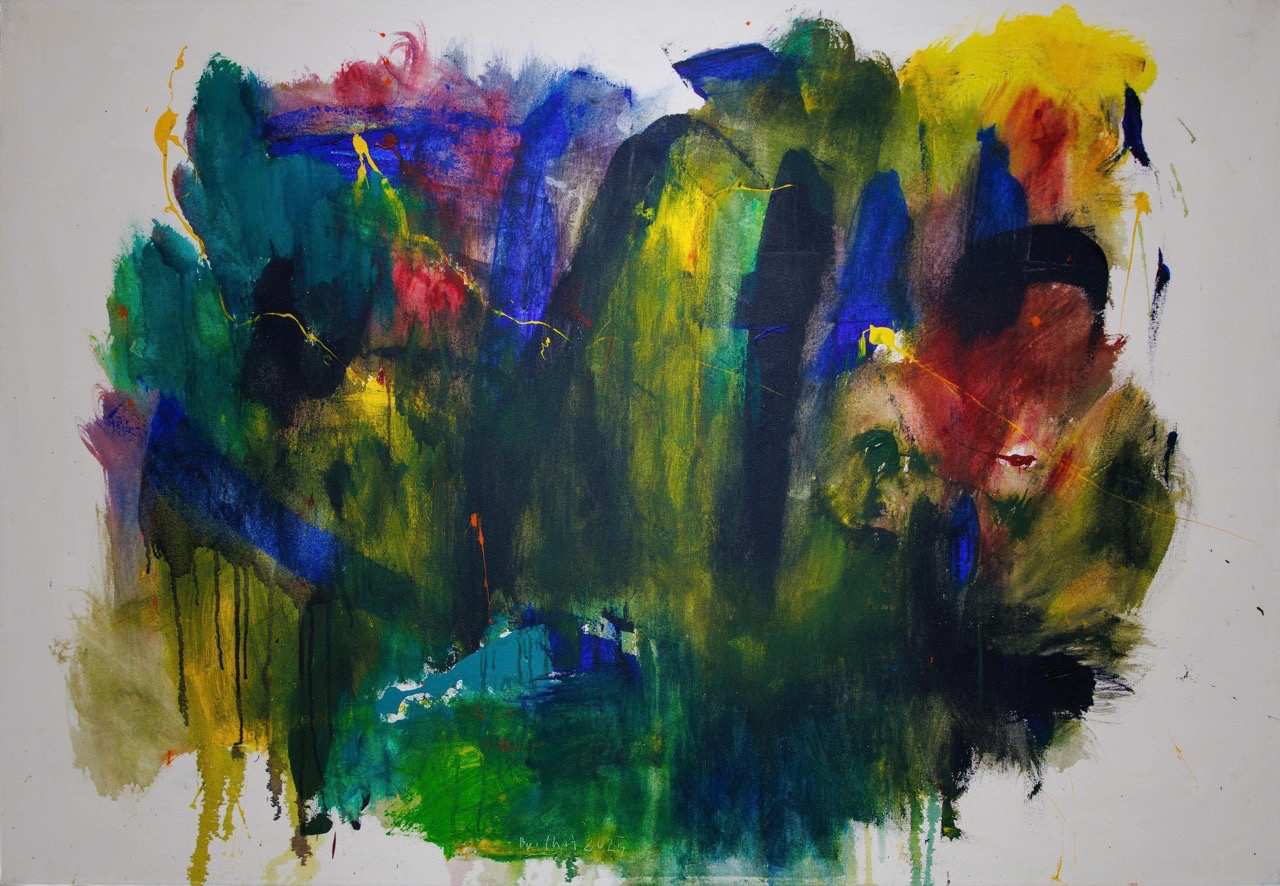
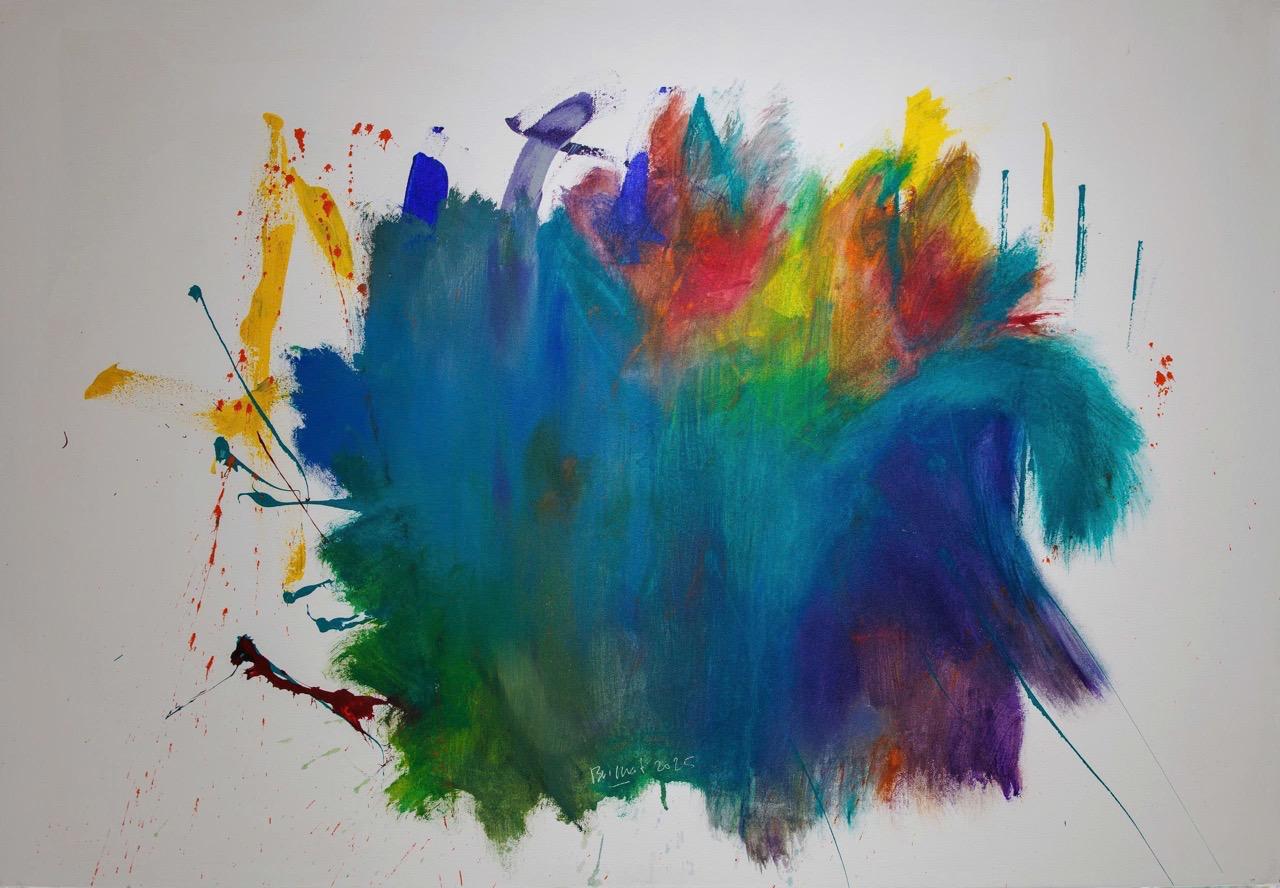
Visually, the series of paintings carries Bui Chat's familiar characteristics: thick, bright, chaotic color patches; drawstrings, flowing lines, color stains like unfinished movements. The shape in the painting is both created and leaving itself. If in previous projects like "Cụ tượng" (The Statue), artists sought to concretize emotions, then with "Bảy tám năm" (Eight and Eight Years), the shape itself rewrote its own destiny.
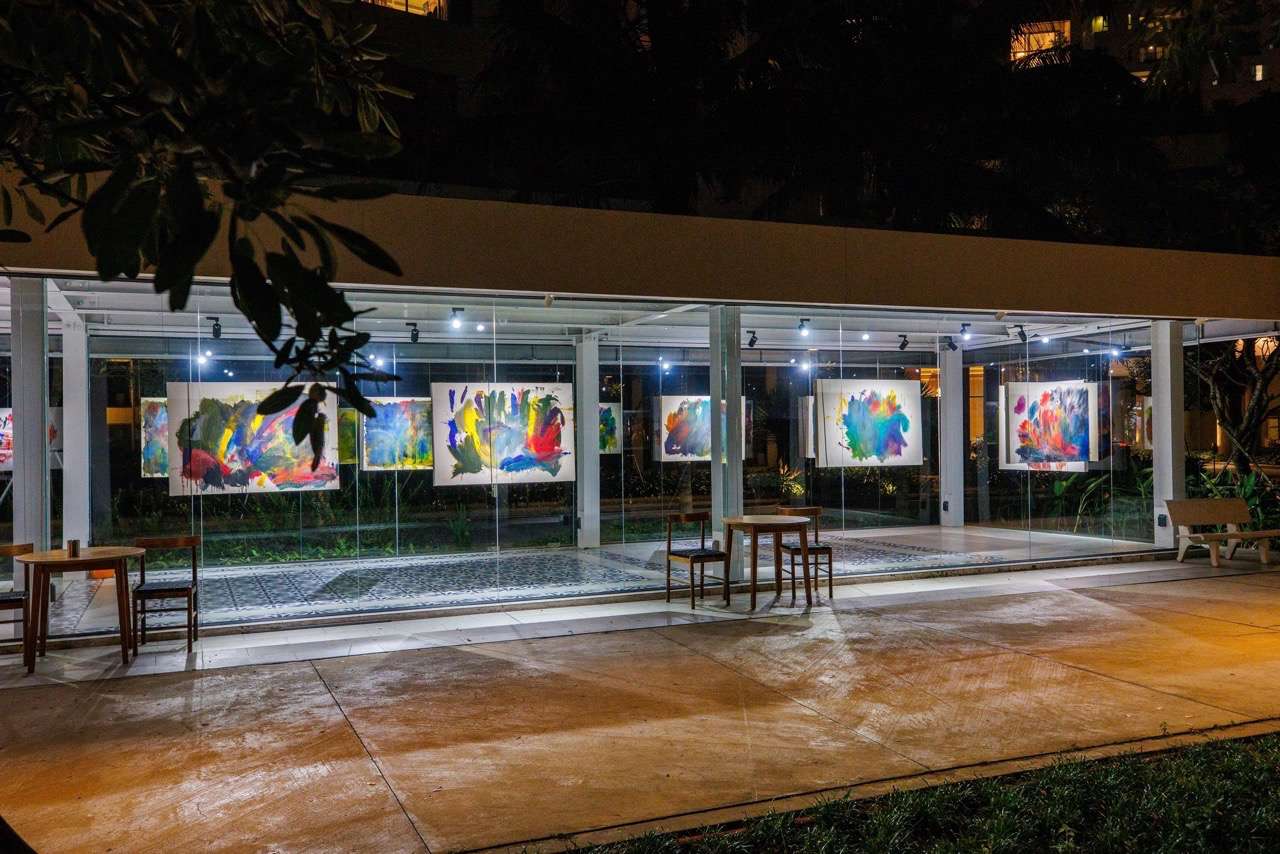
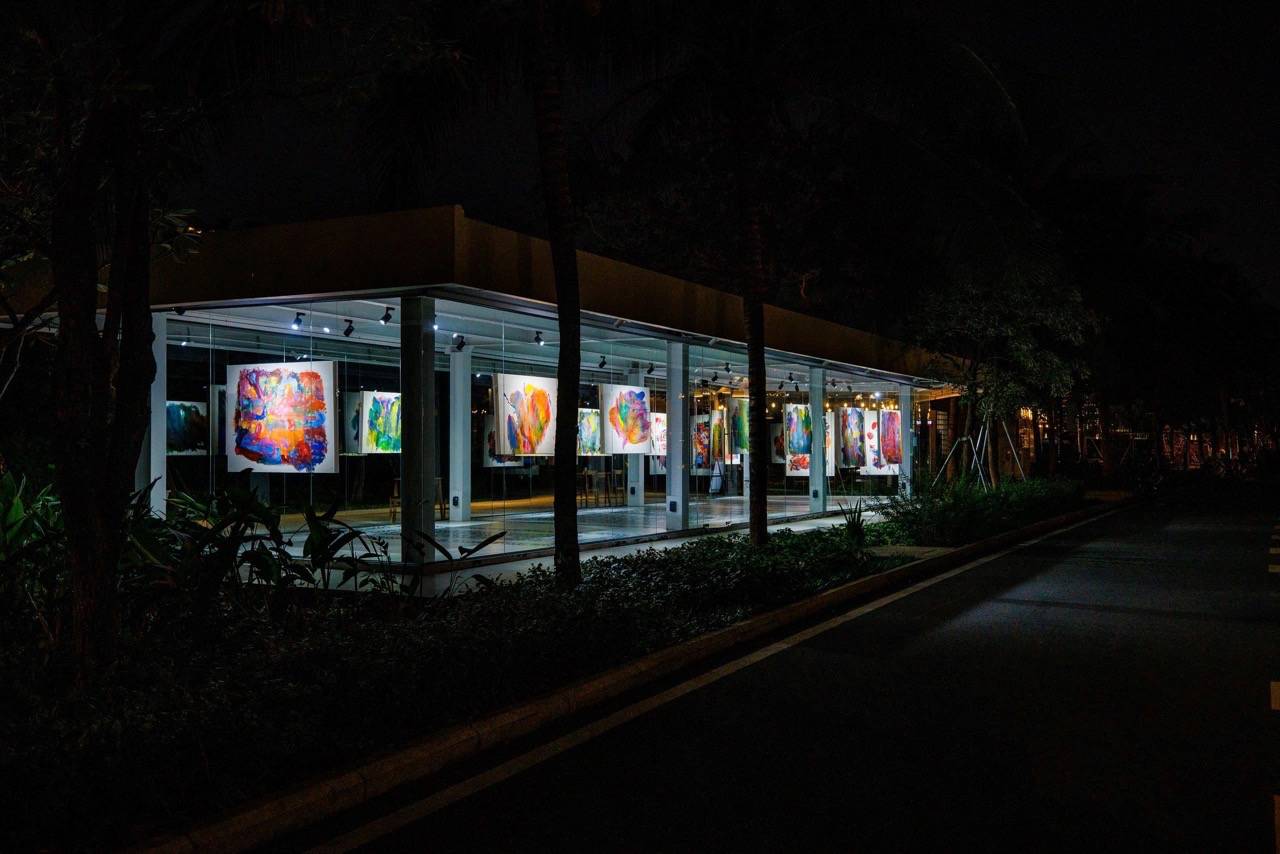
In the context of art increasingly being dominated by the market and collection needs, this project offers a different approach: works do not exist to be owned, but to be experienced.


