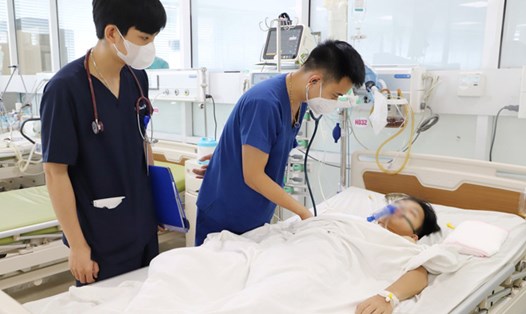
Patient T.T.A, 30 years old, from Bac Ninh, was in a state of left chest pain spreading to the back, nervous, and chest emptiness lasting over 30 minutes.
The patient has a history of Basedow, has been treated regularly at the hospital for 2 years but has recently stopped taking medicine for 2 months. Upon admission, the pulse was fast enough to circulate 121 times/minute, blood pressure was 120/70 mmHg, SpO2 was 96%, and the thyroid gland was spreading. Cardiopulmonary and ultrasound devices suggested heart muscle damage, EF 63%, no regional affective disorder or outbursts of the pericard.
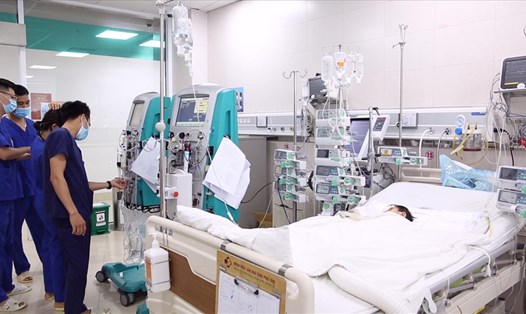
The patient was diagnosed with basedow myocarditis, immediately given emergency care, stabilized the cardiovascular system, reduced pain, closely monitored through a monitor, used anti-thyroid drugs, inhibited secretion of acid and transferred to a cardiovascular hospital. The patient's condition is now stable.
Doctors at the Central Endocrinological Hospital said that Basedow's cardiovascular complications can be life-threatening if the patient stops taking medicine or receives treatment unevenly. Complications may include myocarditis, heart failure, and dangerous arrhythmia.
T.T.A's case emphasizes the importance of compliance with treatment and regular monitoring. Basedow patients should not stop taking medicine without permission and need to go to a medical facility immediately when symptoms such as chest pain, anxiety, fatigue, weight loss, throbbing or arrhythmia appear.