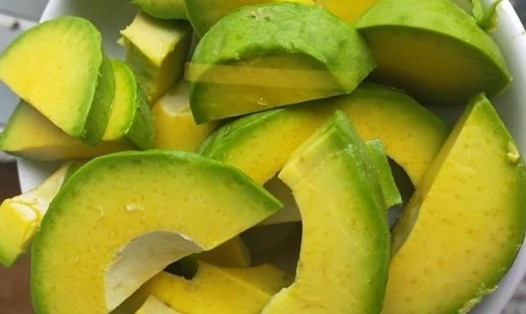
Eat more fiber
All types of fiber are beneficial for health, of which soluble fiber is especially important for the heart. This type of fiber helps keep cholesterol in the intestine, limiting absorption into the blood, thereby contributing to reducing the risk of heart disease.
Abundant sources of soluble fiber include oats, barley, beans, avocados, apples, pears, flax seeds and chia seeds.
Limit additional roads
Consuming too much added sugar from soft drinks, pre-sweetened coffee beverages, and desserts can increase bad LDL cholesterol, while also reducing good HDL cholesterol.
According to recommendations, added sugar should be limited to about 6 teaspoons per day for women and 9 teaspoons per day for men to protect cardiovascular health.
Be more active
Incorporating physical activity into your daily routine helps reduce bad LDL cholesterol and increase good HDL cholesterol. Aim for at least 150 minutes of moderate-intensity exercise or 75 minutes of high-intensity exercise per week to improve cardiovascular health.
If it is difficult to maintain regularity, choose a form of exercise that you love to easily persevere in the long term. Activities such as brisk walking, jogging, cycling, swimming, or strength training all have clear benefits for your heart and overall health.